
Beautiful Plants For Your Interior
Beautiful Plants For Your Interior
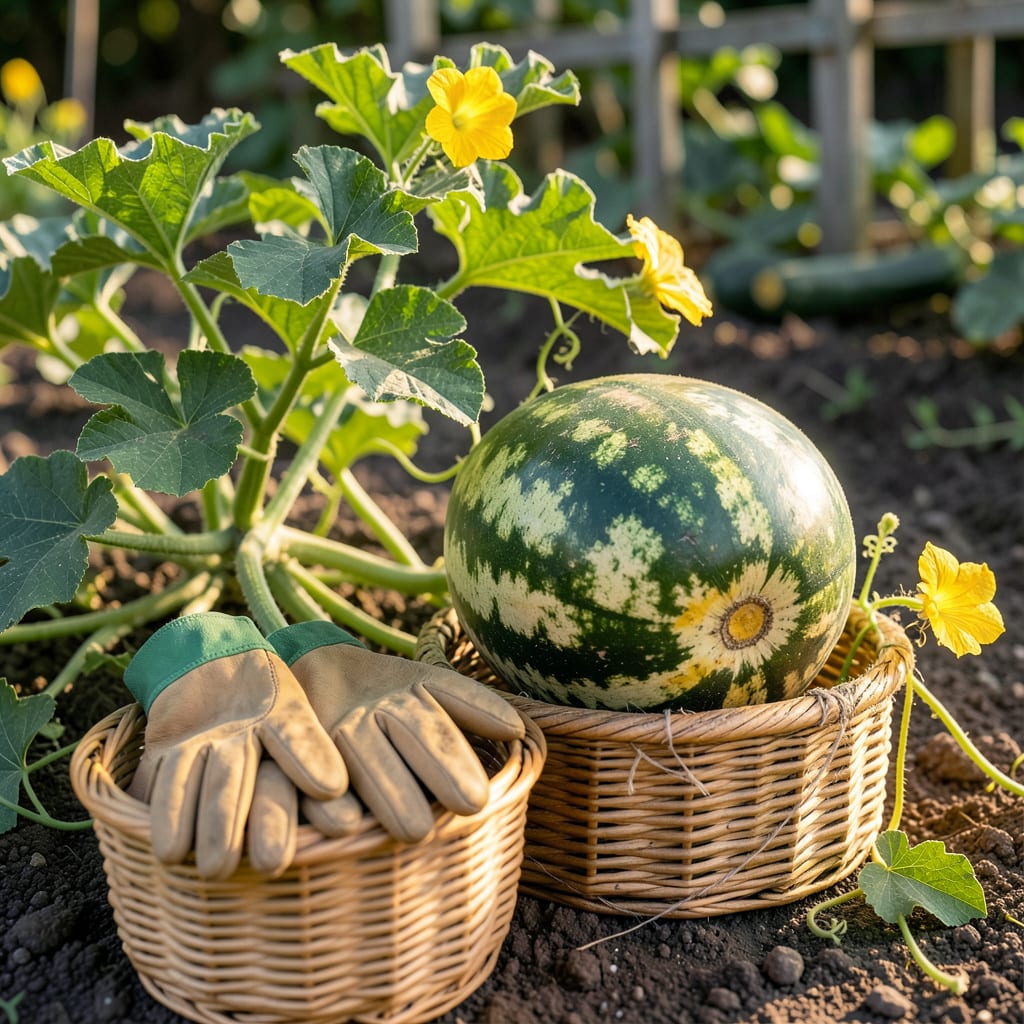
There’s nothing worse than cutting into a homegrown 🍉 watermelon only to find it underripe—or worse, overripe and mushy. That perfect balance of sweetness and crispness? It all comes down to timing.
After years of testing (and a few disappointing harvests), I’ve nailed the foolproof signs that tell you exactly when to pluck that melon from the vine. No guesswork, just juicy rewards. Let’s get this right—your taste buds will thank you.


After months of tending your vines, the big moment arrives: deciding if your 🍉 watermelon is truly ripe. I’ve learned the hard way that looks can be deceiving—size alone won’t tell you when it’s ready. Instead, focus on these five foolproof signs that nature gives us.
The first clue is often overlooked: the tendril nearest the fruit. This curly little vine will turn from green to brown and dry when the melon is ripe. If it’s still flexible and green, your watermelon needs more time. This is the plant’s way of saying, “I’m done feeding this one!”
| Ripeness Sign | What to Look For | Why It Matters |
|---|---|---|
| Tendril Color | Brown, dry, and brittle | Stops sending nutrients to fruit |
| Ground Spot | Creamy yellow or orange | Shows sugar development |
| Rind Texture | Dull, not shiny | Glossy = still growing |
| Stem Condition | Starts to crack near fruit | Natural separation point |
| Thump Test | Deep, hollow sound | Indicates air pockets (ripe) |
Next, flip the melon over and check the ground spot—the area resting on the soil. A ripe watermelon will have a creamy yellow or orange patch where it touched the earth. If it’s white or pale green, it’s not ready. This color change happens as sugars develop and the fruit matures.
The rind’s appearance tells another story. An unripe watermelon has a glossy, bright green skin, while a ripe one turns dull and matte. Run your fingers over the surface—it should feel slightly rough, not slick. This texture shift occurs as the fruit’s moisture content balances with its sugar levels.
Here’s where things get fun: the thump test. Tap the melon with your knuckles—you’re listening for a deep, hollow sound. An unripe melon sounds solid and flat, while an overripe one might sound dull. I practice on store-bought melons first to train my ear. It’s like learning a secret language!
Finally, examine the stem connection. As the fruit ripens, the stem often begins to crack or separate slightly where it meets the melon. Don’t pull it off—just look for this natural signal. If the stem is still firmly attached with no cracks, give it more time.
One mistake I see gardeners make? Relying on size alone. A watermelon can reach full size weeks before it’s actually ripe. I’ve had 8-pound Sugar Babies that were perfectly sweet and 20-pound Crimson Sweets that were still underripe. Always cross-check multiple signs before harvesting.
Pro tip: Harvest in the early morning when temperatures are cooler. This helps preserve the fruit’s crispness and sweetness. Use clean pruners to cut the stem, leaving about 2 inches attached to the melon. This extra stem helps prevent rot during storage.
If you’re still unsure, mark a few melons with different ripeness signs and harvest them on separate days. Taste-testing is the ultimate teacher! Remember, watermelons won’t ripen further once picked, so patience really does pay off here. 🌱
Not all watermelons ripen on the same schedule—what works for a Sugar Baby won’t apply to a Crimson Sweet. I’ve grown both side by side and seen firsthand how their harvest windows differ by weeks. Knowing your variety’s quirks saves you from cutting into disappointment.
Seedless varieties like Triple Crown often mature 7-10 days earlier than seeded types but require pollinators nearby. Their ripeness signs are subtler: the tendril test is less reliable, so I focus more on the ground spot color and rind texture with these.
| Variety | Days to Maturity | Key Ripeness Sign | Harvest Window |
|---|---|---|---|
| Sugar Baby | 75-80 | Deep red flesh, small size | Early to mid-season |
| Crimson Sweet | 80-85 | Bright stripes, loud thump | Mid to late season |
| Moon and Stars | 90-100 | Yellow spots prominent | Late season |
| Charleston Gray | 85-90 | Oblong shape, dull rind | Mid-season |
| Seedless (Triple Crown) | 70-75 | Ground spot turns golden | Early season |
Heirloom varieties like Moon and Stars take patience—they often need 100 days to reach peak sweetness. Their signature yellow spots become more pronounced as they ripen. I mark my calendar when flowers appear, then count forward to estimate harvest time.
For Charleston Gray and other large oblong types, watch the rind’s sheen. These melons transition from shiny to matte more dramatically than round varieties. Their size can be misleading; I’ve had 25-pounders that weren’t ripe and 15-pounders that were perfect.
Here’s my variety-specific trick: Sugar Babies develop a sweet fragrance at the stem end when ripe. Crimson Sweets get heavier for their size as sugars accumulate. Always compare your melon’s weight to similar-sized fruits—ripe ones feel denser.
If you’re growing multiple varieties, label each with its expected maturity date when planting. I use colored garden stakes to track different types. Remember, cool weather can delay ripening by 5-7 days, while heat waves may speed it up. 🌱
Timing your watermelon harvest isn’t just about flavor—it affects texture, shelf life, and even how well the fruit stores. I’ve ruined more than a few melons by being impatient (or distracted!). Here’s what really happens when you mistime that critical cut from the vine.
Pick too early, and you’re stuck with a pale, mealy interior that lacks sweetness. The flesh will be firm but bland, almost like biting into a watery cucumber. That’s because the sugars haven’t fully developed—watermelons don’t ripen further once picked, unlike tomatoes or bananas.
| Mistake | Flavor Impact | Texture Issue | Storage Life |
|---|---|---|---|
| Picked Too Early | Bland, no sweetness | Mealy, watery | Short (3-5 days) |
| Picked Too Late | Fermented taste | Mushy, grainy | Very short (1-2 days) |
| Perfect Timing | Sweet, balanced | Crisp, juicy | Up to 2 weeks |
Wait too long, and the melon becomes overripe and mushy. The flesh turns grainy, and the flavor can develop an unpleasant fermented tang. I once left a Crimson Sweet on the vine a week too long—it split open, attracting bees and wasps. Overripe melons also spoil faster once picked.
Here’s the kicker: both underripe and overripe melons lose nutritional value. Early-picked ones have fewer antioxidants, while overripe ones lose vitamin C as the flesh breaks down. I use the “float test” for questionable melons: place in water—ripe ones mostly submerge, while underripe float high.
If you’ve already harvested too soon, try slicing and chilling the melon for 24 hours. Cold temps can slightly improve texture (though not sweetness). For overripe melons, immediately remove the seeds and use within a day—they’re great for smoothies where texture matters less.
My golden rule? When in doubt, wait one more day. Watermelons hold well on the vine once fully ripe, but they’ll never recover from being picked early. And always harvest before the first frost—cold snaps turn the flesh to mush overnight. 🌱
Check for a bright green, shiny rind and a white or pale green ground spot. The tendril near the fruit will still be green and flexible, not brown and dry. Underripe melons also produce a solid, flat sound when thumped instead of a hollow echo.
The thump test is reliable, but some varieties have subtler differences. Seedless types often sound slightly less hollow than seeded ones. Practice on store-bought melons first to train your ear. A deep, resonant thud means ripe, while a high-pitched “ping” means it needs more time.
No—once fully ripe, watermelons won’t get sweeter on the vine. Leaving them too long risks overripening, which leads to mushy texture and fermented flavors. Harvest within 2-3 days of reaching full ripeness for the best quality.
Pick in the early morning when temperatures are cool. This preserves crispness and slows sugar breakdown. Avoid harvesting during peak afternoon heat, as the fruit can become soft faster. Use clean pruners and leave 2 inches of stem attached to prevent rot.
Splitting usually happens from uneven watering or sudden heavy rains after a dry spell. The fruit absorbs too much water too quickly. To prevent this, maintain consistent moisture (about 1 inch per week) and mulch around plants to regulate soil dampness.
