
Beautiful Plants For Your Interior
Beautiful Plants For Your Interior
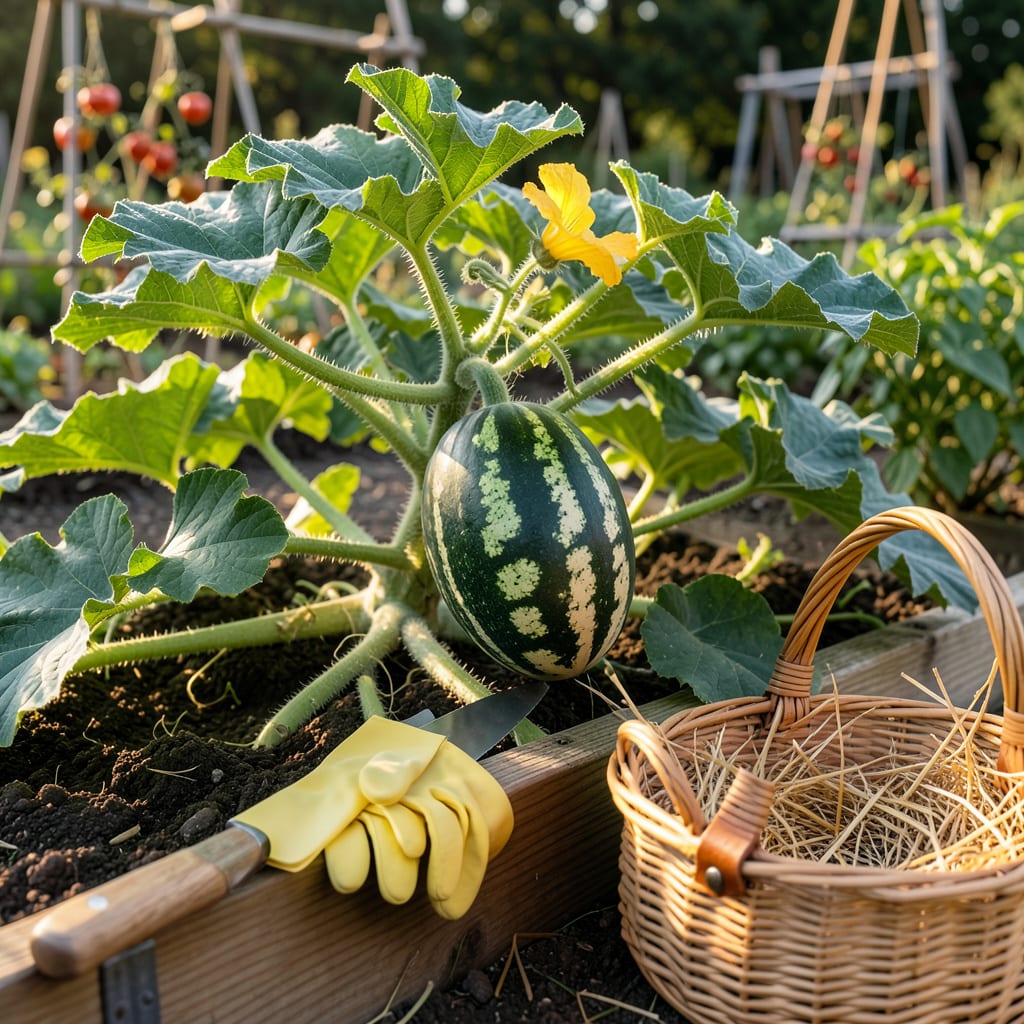
There’s nothing worse than cutting into a homegrown 🍉 watermelon only to find it underripe—or worse, mushy and overripe. After months of tending your vines, timing the harvest perfectly is the final (and most crucial) step.
I’ve seen gardeners miss the mark by just a few days, turning sweet success into a disappointing flop. But here’s the good news: your watermelon tells you exactly when it’s ready—if you know the subtle signs. Let’s decode them together.


After weeks of watching your watermelon vines sprawl and those green orbs swell, the big question arrives: Is it ready yet? Unlike tomatoes or strawberries, watermelons don’t give obvious color changes. Instead, they whisper their readiness through subtle clues you can see, hear, and even feel.
I’ve learned the hard way that guessing leads to disappointment. One year, I harvested a 40-pound ‘Sugar Baby’ too early—it was as tasteless as a cucumber! Now I rely on these five foolproof signs to guarantee perfect ripeness every time. Let’s break them down so you never cut into a dud again.
| Ripeness Sign | What to Look For | Variety Examples |
|---|---|---|
| Curled Tendril | The tendril nearest the fruit turns brown and crispy | Crimson Sweet, Charleston Gray |
| Dull Rind | Glossy shine fades to a matte, dull finish | Black Diamond, Moon & Stars |
| Yellow Underside | The ground spot shifts from white to creamy yellow | Sugar Baby, Jade Star |
| Deep Thump | Hollow, bass-like sound when tapped firmly | All varieties (universal test) |
| Firm Texture | Rind resists light pressure but yields slightly to thumb | Seedless hybrids (e.g., Triple Crown) |
The tendril test is my personal favorite because it’s the most reliable. That little curlycue near the stem is the melon’s lifeline—when it dries up, the fruit stops receiving nutrients and is officially ripe. I check tendrils daily once melons reach full size (usually 8–10 inches in diameter for standard varieties).
Don’t overlook the ground spot, either. This is where the melon rests on the soil, and its color shift from white to yellow is nature’s ripeness indicator. For dark-rinded varieties like Black Diamond, this contrast is especially obvious. Pro tip: Gently lift the melon to check—no need to rotate it!
The infamous thump test takes practice, but here’s how I mastered it: Use your knuckles (not fingertips) to tap the melon’s side. A ripe one sounds like a low, hollow “pock”, while an unripe melon makes a higher-pitched “ping.” Record yourself tapping a store-bought ripe melon first to train your ear.
For seedless watermelons, texture is key. These varieties often lack reliable tendril cues, so I press my thumbnail into the rind. If it leaves a slight indentation (like a ripe avocado), it’s ready. Too firm? Give it 2–3 more days. Too soft? Harvest immediately—it’s on the verge of overripeness.
Remember, days to maturity (usually 70–90 days from planting) are just guidelines. Hot weather speeds ripening, while cool spells delay it. I once had a ‘Carolina Cross’ take 100 days during a chilly summer. Always prioritize the physical signs over the calendar!
If you’re growing multiple varieties, keep a harvest journal. Note which signs appeared first for each type—some melons (like ‘Orange Crisp’) develop a yellow underside before their tendrils dry. This data becomes your personal ripeness cheat sheet for next season.
Still unsure? Here’s my golden rule: When in doubt, wait it out. Watermelons won’t ripen further once picked, but they’ll hold on the vine for 3–5 days past peak ripeness. I’d rather harvest a day late than a day early—trust me, your taste buds will thank you! 🍉
Even when your watermelon shows visual signs of ripeness, I always recommend doing a few extra tests to be 100% sure. The classic thump test is my go-to—give the melon a firm tap with your knuckles. A ripe one sounds deep and hollow, like a drum. Unripe melons make a metallic “ping.”
Another pro trick? The scratch-and-sniff test. Use your fingernail to gently scratch the rind. If it smells sweet and slightly floral, you’re in business. No smell means it needs more time. I’ve found this works especially well with heirloom varieties like Moon and Stars or Crimson Sweet.
For tech-savvy gardeners, a moisture meter can take the guesswork out entirely. Insert the probe into the melon’s flesh—ripe watermelons typically register between 90-95% moisture. I use mine when growing seedless varieties, which can be trickier to judge by sound alone.
Timing matters too. Watermelons harvested in the early morning retain more crispness and sweetness. The fruits’ sugar content is highest after a cool night, so I always grab my pruners before 10 AM. If you must harvest later, shade the melons for a few hours first to prevent heat stress.
What if your melon passes some tests but not others? When in doubt, leave it on the vine for 2 more days. Watermelons won’t ripen further once picked, so patience pays off. I once waited an extra week for a Carolina Cross—the reward was the sweetest melon I’d ever grown!
Remember, size isn’t everything. A smaller, fully ripe watermelon will always taste better than a giant, underripe one. Trust the signs, not just the scale. And if you’re growing multiple varieties, keep a harvest log to track which tests work best for each type in your garden.
Timing your watermelon harvest is like walking a tightrope—pick too soon, and you’ll get a bland, crunchy disappointment; wait too long, and you risk a mushy, fermented mess. I’ve been on both ends of this spectrum, and let me tell you, neither is pretty. The good news? Understanding what happens at each stage helps you avoid these pitfalls.
An underripe watermelon is the most common mistake I see beginner gardeners make. The flesh will be pale, hard, and lacking sweetness, almost like biting into a watery cucumber. The seeds (if present) will be white or pale green instead of mature black or brown. Even worse, the texture is often grainy—far from that juicy crunch we all crave.
Firm but yields slightly, deep red flesh, black seeds, hollow thump, and bursting with sweetness!
On the flip side, an overripe watermelon is a sad sight. The flesh becomes mushy or mealy, almost like it’s starting to compost from the inside out. You might notice fermented odors or even see the rind split open on the vine. I once left a ‘Charleston Gray’ too long, and the seeds inside had actually started sprouting—definitely not what you want in your fruit salad!
Here’s what most gardeners don’t realize: watermelons don’t ripen after picking. Unlike tomatoes or bananas, they won’t get sweeter on your counter. Once cut from the vine, their sugar content is locked in. That’s why I always err on the side of patience. If you’re unsure, give it another 24–48 hours on the vine. The difference can be dramatic!
If you do end up with an underripe melon, don’t toss it! Try blending it into smoothies (add honey to mask the blandness) or pickling the rind. Overripe melons? Scoop out the flesh for sorbet or compost the remains—they’ll break down quickly. I’ve even used overripe melon pulp as a natural fertilizer for my next crop of vines.
Remember, weather plays a huge role in ripening speed. A heatwave can rush your melons to overripeness in days, while cool spells slow everything down. I keep a garden journal to track how different conditions affect my harvest. Last summer’s drought made my ‘Sugar Babies’ ripe a full week early—something I’d never have predicted without notes from previous years! 🍉
Most watermelons take 30-45 days to ripen after flowering, depending on the variety. Smaller types like Sugar Baby mature faster (around 75 days total), while larger heirlooms may need 90+ days.
If the tendril is still green but starting to curl, give it 2-3 more days. The tendril should be fully brown and crispy for peak ripeness. When in doubt, check other signs like the ground spot color or thump test.
Harvest in the early morning when temperatures are cool. This preserves maximum sweetness and crispness. Avoid picking during midday heat, as the fruits can become stressed and lose quality.
Watch for a soft rind that bruises easily, or a fermented smell near the stem. Overripe melons may also develop cracks or splits. If you notice these, harvest immediately to salvage what you can.
No, watermelons won’t ripen further once picked. Unlike tomatoes, they don’t produce ethylene gas after harvest. Always wait until fully ripe before cutting from the vine.
