
Beautiful Plants For Your Interior
Beautiful Plants For Your Interior
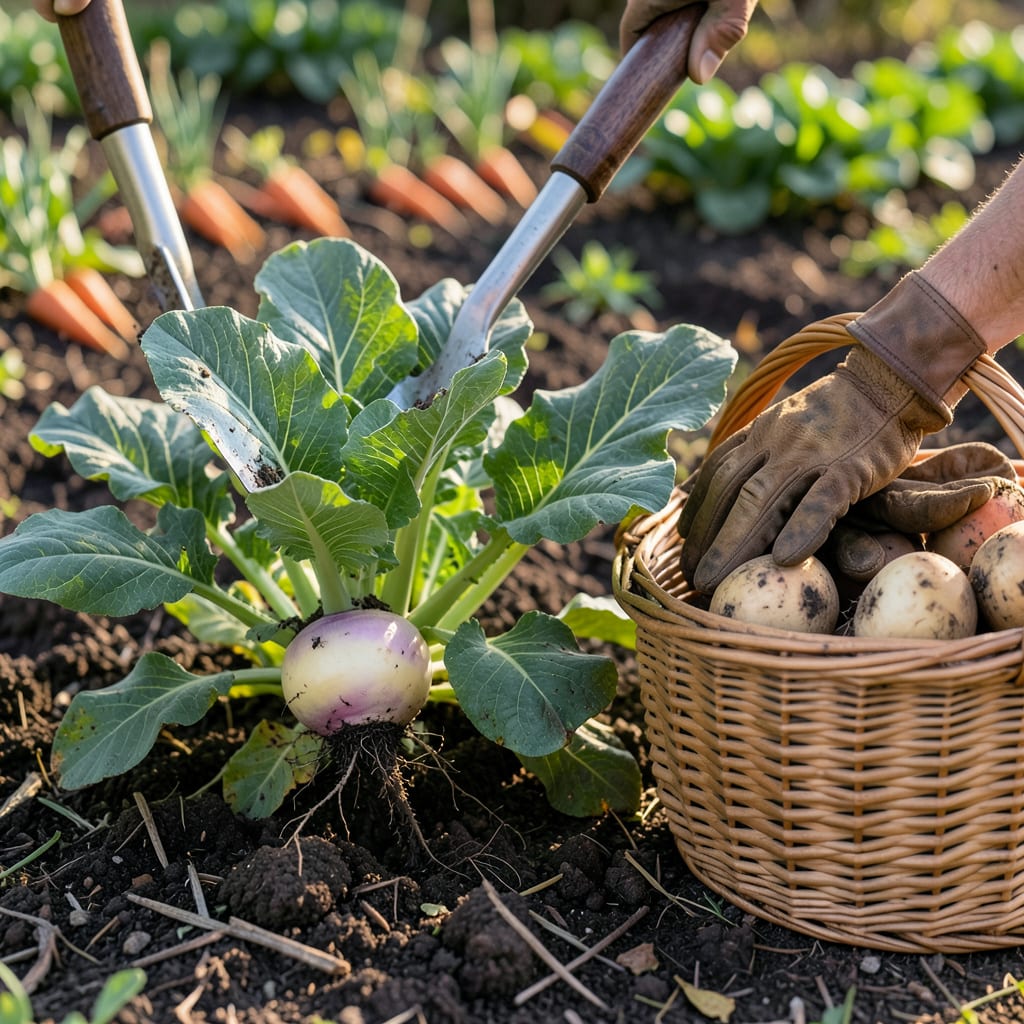
There’s nothing worse than pulling up a turnip only to find it tough, bitter, or past its prime. That perfect balance of sweetness and crispness? It all comes down to timing—miss it by just a few days, and you might as well be eating a woody hockey puck.
I’ve learned the hard way that waiting for the right moment makes all the difference. Whether you’re growing them for their roots or greens, I’ll show you the key signs to watch for—so you can harvest turnips at their absolute best. No guesswork, just flavor-packed results.


Nothing beats the satisfaction of pulling a perfectly ripe turnip from the soil—crisp, sweet, and free from bitterness. But how do you know it’s ready? The secret lies in watching for visual and tactile cues, not just counting days on the calendar.
Different turnip varieties—like Purple Top White Globe, Tokyo Cross, or Golden Ball—have slightly different harvest windows. I’ll break down the key indicators so you can confidently pick yours at peak flavor. Size, texture, and leaf condition all tell a story.
| Variety | Root Size | Leaf Condition | Days to Maturity |
|---|---|---|---|
| Purple Top White Globe | 2-3 inches diameter | Leaves yellowing, slightly wilted | 50-60 days |
| Tokyo Cross | 1.5-2 inches diameter | Leaves upright, deep green | 30-40 days |
| Golden Ball | 2-2.5 inches diameter | Leaves slightly yellow, edges crisp | 45-55 days |
*Harvest in cool weather for best flavor. Overgrown roots become woody and pithy.
For baby turnips (golf-ball size), harvest as early as 30 days. These tender morsels are a chef’s favorite for their delicate texture and mild flavor. If you’re after greens, snip leaves when they’re 4-6 inches tall—no need to wait for roots!
Here’s my foolproof test: Gently brush soil away from the root shoulder and measure. If it’s 2-3 inches wide and the skin resists light thumb pressure, it’s go time. Pro tip: Morning harvests yield the crispiest turnips, as roots are plump with overnight moisture.
Watch out for over-maturity signs: roots larger than 3.5 inches often turn fibrous, and leaves become completely yellow or brown. If you’ve missed the window, don’t despair—peel and roast older turnips to soften their texture.
Fall-harvested turnips often taste sweeter thanks to light frosts, which convert starches to sugars. But don’t let them sit through a hard freeze—dig them up before temps drop below 25°F to avoid mushiness.
If you’re growing turnips for greens, you can start harvesting leaves as soon as they’re 4 inches tall. Just avoid removing more than 1/3 of the foliage at once to keep the plant productive. The roots will still bulk up while you enjoy the peppery greens.
For succession planting, sow new seeds every 2-3 weeks until late summer. This ensures a steady supply of tender turnips rather than a single overwhelming harvest. I like to mark my calendar with reminders—it’s the easiest way to stay on track.
Remember, turnips left too long in warm soil turn bitter and tough. If summer heat arrives unexpectedly, harvest immediately—even if roots are smaller than ideal. It’s better to enjoy a mild, crisp turnip than a woody disappointment.
Finally, don’t forget to taste-test! Pull one root as a sample. If it’s sweet and snappy, the rest are likely ready. If it’s bland or rubbery, give them a few more days. Gardening is part science, part intuition—and that first crunchy bite is your best guide. 🪴
Even experienced gardeners can sabotage their turnip harvest with a few simple missteps. The most common? Waiting too long to pull them. Turnips left in the ground past their prime quickly turn woody and bitter, losing that coveted sweetness.
Another frequent error is harvesting too early. Tiny turnips might look cute, but they often lack flavor and texture. I’ve found that roots smaller than 1.5 inches usually need more time to develop their full, rich taste.
*Quick fix: Peel and roast overgrown turnips to improve texture.
Many gardeners overlook the greens entirely, focusing only on roots. But turnip tops are delicious when young! Start harvesting leaves when they reach 4-6 inches tall, taking no more than 1/3 at once to keep plants productive.
A third critical mistake is letting spring turnips bolt in warm weather. Once they send up flower stalks, roots turn tough and inedible. I use a soil thermometer—when temps hit 70°F, I harvest immediately, even if roots are slightly small.
For fall crops, the opposite problem occurs: hard freezes. While light frosts sweeten turnips, temps below 25°F damage cell structure. I cover plants with frost blankets if cold snaps threaten, or harvest before freezing nights.
Here’s my pro tip: Test-harvest one turnip when you think they’re ready. Slice it raw—if it’s crisp and mildly sweet, the rest are good to go. If it’s bland or rubbery, wait 3-5 more days before checking again. This simple step saves entire crops from disappointment. 🪴
Roots smaller than 1.5 inches in diameter usually need more time. Check the leaves—if they’re still tightly curled and deep green, your turnips aren’t ready yet. Baby turnips (golf-ball size) are edible but less flavorful than mature ones.
Start snipping outer leaves when they reach 4-6 inches tall. Just avoid removing more than 1/3 of the foliage at once. This lets you enjoy greens while roots continue growing.
Overgrown turnips (larger than 3.5 inches) become woody and bitter. In warm weather, they may bolt and turn inedible. For fall crops, hard freezes below 25°F can damage the roots.
Morning harvests yield the crispiest turnips, as roots are plump with overnight moisture. Avoid harvesting during midday heat when plants are stressed. Use a fork to gently loosen soil before pulling.
Fall turnips often taste sweeter because light frosts convert their starches to sugars. Spring turnips mature faster (40-50 days) but may bolt in heat. Fall varieties grow slower (50-60 days) with richer flavor.
