
Beautiful Plants For Your Interior
Beautiful Plants For Your Interior
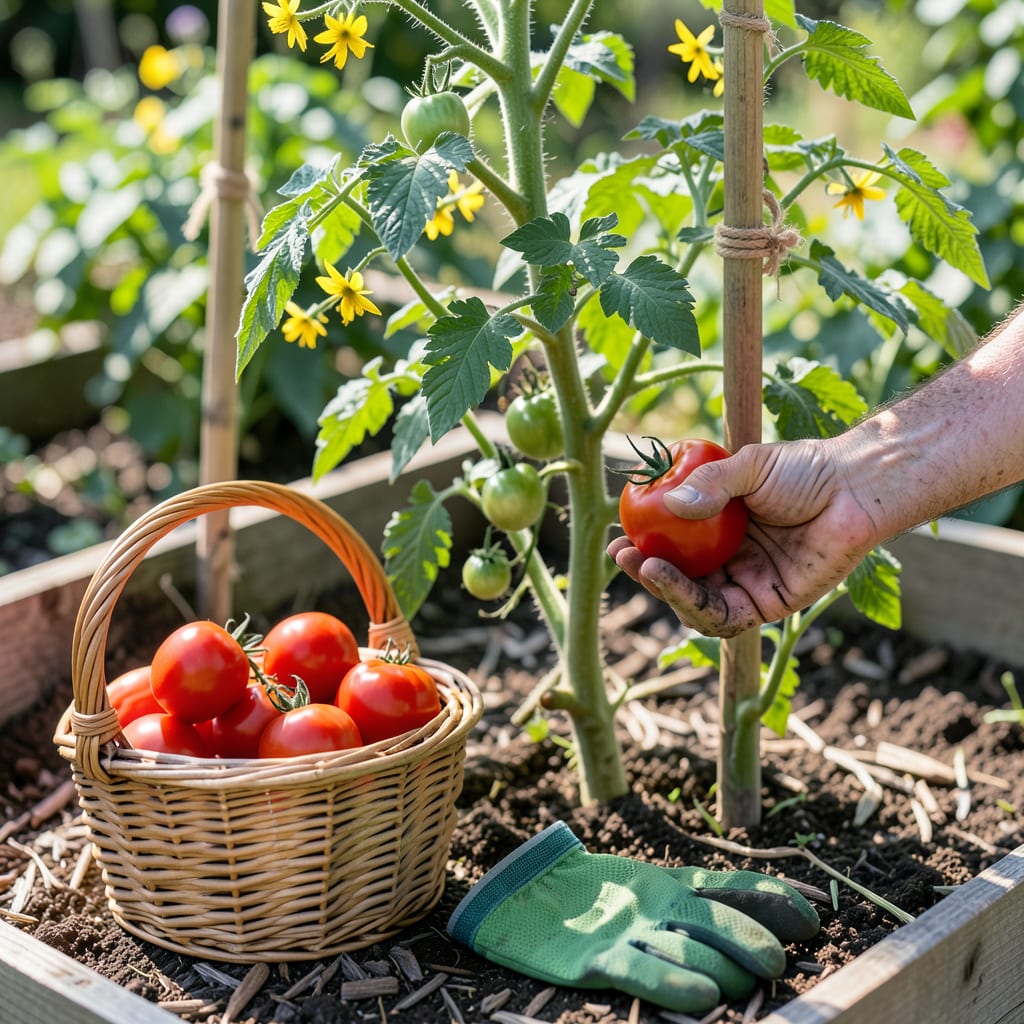
There’s nothing worse than biting into a homegrown 🍅 tomato only to find it’s mealy or sour. The difference between perfectly ripe and disappointingly underripe often comes down to just a day or two of timing.
I’ve learned the hard way that color alone isn’t enough—texture, aroma, and even the time of day you pick matter. Let me show you the foolproof signs to look for, so every tomato you harvest is bursting with flavor.


After years of trial and error, I’ve learned that color alone won’t guarantee a ripe tomato. The perfect harvest window is a mix of visual cues, texture tests, and even the time of day. Let’s break down the 5 foolproof signs to look for—no guesswork required.
Different varieties like heirlooms, cherry tomatoes, or beefsteaks have unique ripeness indicators. For example, a Brandywine tomato might stay slightly green at the stem, while a Sungold cherry turns translucent when overripe. Timing matters just as much as appearance.
The “squeeze test” is my go-to method: gently press the tomato with your palm. A ripe fruit will give slightly, like a firm avocado, while an unripe one stays hard. Overripe tomatoes feel mushy—those are best for sauces, not fresh eating.
Check the stem area next. A ripe tomato’s stem should separate easily with a gentle twist. If it resists or leaves a green “hat”, it needs more time. For green tomatoes (like Green Zebras), look for a waxy sheen and slight softness.
Size matters too. Most varieties reach full size before ripening fully. A standard slicing tomato should measure 2–3 inches across, while cherry tomatoes hit 1 inch. Compare to the seed packet’s mature size if unsure.
Don’t ignore the “sniff test”. Ripe tomatoes emit a sweet, earthy aroma at the stem end. No smell? It’s not ready. Overpowering smell? It’s likely overripe. This trick works especially well for heirloom varieties with complex flavors.
Timing your harvest for early morning yields the best flavor. Tomatoes picked after dew evaporates (but before afternoon heat) retain more moisture and sugars. Avoid harvesting in direct midday sun—the fruit can scald or lose firmness.
For humid climates, pick tomatoes at the “breaker stage” (first hint of color) to prevent splitting. In dry heat, let them vine-ripen fully for maximum sweetness. Adjust based on your local weather—rainy spells call for earlier picking.
If you’re growing green varieties (like Aunt Ruby’s German Green), watch for a creamy yellow blush and slight softening. These tomatoes ripen from the inside out, so external color changes are subtle. When in doubt, taste-test one!
Remember: tomatoes continue ripening after picking if stored at room temperature. Never refrigerate unripe fruit—cold stops the ripening process. A paper bag with a banana speeds up ripening for early-picked tomatoes.
Master these signs, and you’ll never endure a mealy tomato again. The difference between vine-ripened perfection and supermarket blandness is just a few days—and now you’ll know exactly when to act. 🌱
Deciding when to pick tomatoes isn’t just about color—it’s about balancing flavor intensity with storage potential. I’ve found that harvesting at the breaker stage (just starting to color) can extend shelf life, while waiting for full vine ripeness delivers peak sweetness.
For cherry tomatoes, I pick them fully ripe since they’re prone to splitting. But for beefsteaks, I often harvest at the pink stage—they’ll ripen indoors without cracking, and the flavor difference is minimal. Here’s how to decide:
Pro Tip: For heirloom varieties, always wait for full ripeness—their flavor complexity is worth the shorter shelf life!
To ripen picked tomatoes indoors, place them in a paper bag with a banana or apple. The ethylene gas speeds ripening. Check daily—once they yield to gentle pressure and smell fragrant, they’re ready. Avoid refrigerating unless fully ripe (cold kills flavor!).
For green tomatoes at season’s end, pick before frost and ripen indoors. Varieties like ‘Green Zebra’ are meant to be eaten green, but most red types need 7-14 days to ripen off the vine. I’ve had great success wrapping them in newspaper and storing in a cool, dark place.
Timing also depends on your climate. In hot, dry areas, tomatoes ripen faster—check daily. In humid regions, pick at the first blush of color to prevent splitting. Morning is the best time to harvest: fruits are firmest and least prone to bruising.
If you’re growing paste tomatoes (like Roma), let them ripen fully on the vine for maximum meatiness. For slicing tomatoes, the ‘squeeze test’ is key: gentle pressure should leave a slight indentation that bounces back. Too soft? They’re overripe. Too firm? Wait another day.
Remember, tomato ripening slows below 50°F. If a cold snap is forecast, harvest all mature green tomatoes and ripen them inside. I once lost a whole crop to an early frost—now I watch the 10-day forecast religiously in fall! 🌡️
Your tomato’s perfect picking time isn’t just about color—it’s also about climate and variety. I’ve learned that early-season tomatoes like ‘Stupice’ ripen faster in cool weather, while heat-lovers like ‘Celebrity’ need warmer temps to reach their peak.
In hot, dry climates, tomatoes ripen quickly—sometimes in just 3-4 days from breaker stage. But in humid areas, I pick at the first blush to prevent splitting. Here’s how to adjust for your conditions:
💡 Pro Tip: Use a soil thermometer—tomatoes ripen fastest when soil is 70-85°F.
For early varieties like ‘Early Girl’, expect harvest 55-60 days after transplanting. Mid-season types (‘Better Boy’) take 70-80 days, while late-season (‘Brandywine’) may need 90+ days. Always check your seed packet’s “days to maturity” range.
Watch the 10-day forecast in fall. If temps will dip below 50°F, harvest all tomatoes showing color. Green fruits won’t ripen further on the vine in cold weather. I once saved an entire crop by picking pink tomatoes before an unexpected frost.
Morning is always best for harvesting—tomatoes are crispest after cool nights. Avoid picking during peak afternoon heat (12-3 PM), when fruits are softest. Use sharp pruners or twist gently to avoid damaging vines.
For container-grown tomatoes, ripening happens faster due to warmer soil. Check daily in summer! In greenhouses, reduced airflow may slow ripening—increase ventilation if tomatoes stall at the pink stage. 🌱
Early morning is ideal, right after the dew dries but before temperatures rise. Tomatoes are firmest and retain the most flavor when harvested cool. Avoid midday heat when fruits become soft and prone to bruising.
Yes, but only if they’ve reached full size. Green tomatoes will ripen indoors at room temperature if stored with an apple or banana. For best flavor, wait until they show the first hint of color (breaker stage) before picking.
Overripe tomatoes feel mushy when gently squeezed and may have wrinkled skin. They’ll also emit an overly strong, fermented smell. These are still great for sauces or soups, but not ideal for fresh eating.
For ripe tomatoes, gently twist until the stem separates. For stubborn fruits, use clean pruners to avoid damaging the plant. Always leave a small portion of stem attached to prevent rot during storage.
In humid climates, harvest at the first sign of color to prevent splitting. The excess moisture causes tomatoes to absorb water rapidly and crack. In dry conditions, you can leave them longer for maximum sweetness.
