
Beautiful Plants For Your Interior
Beautiful Plants For Your Interior
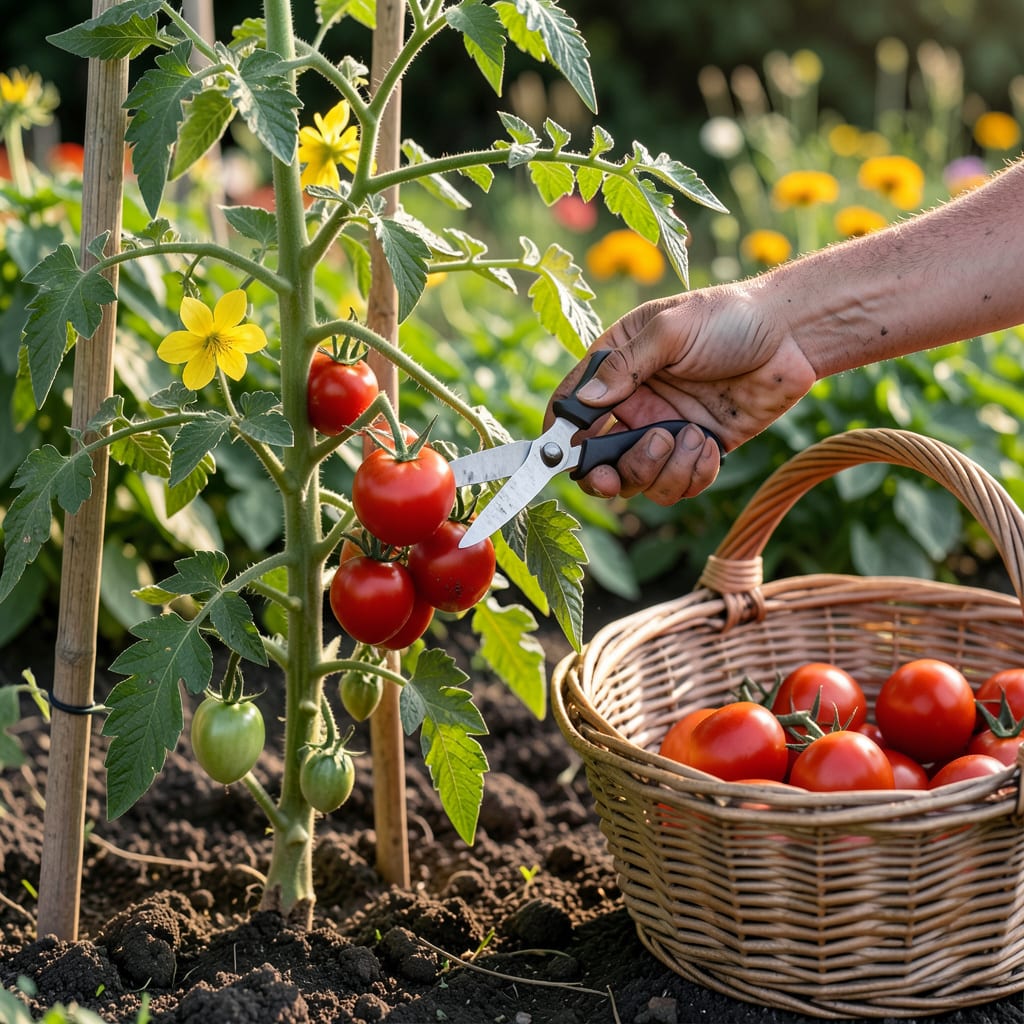
That moment when you finally pluck a perfectly ripe tomato from the vine—only to bite into something bland or mushy—is every gardener’s nightmare. The difference between a juicy, flavor-packed harvest and a disappointing one often comes down to timing.
Whether you’re growing heirlooms or cherry varieties, knowing the exact signs of ripeness can make or break your season. I’ll show you how to read your 🍅 plants like a pro, from color cues to the often-overlooked “squeeze test,” so you never second-guess your harvest again.


Nothing beats the satisfaction of harvesting a vine-ripened tomato at its peak. But here’s the catch: color alone won’t cut it. Heirlooms might stay green when ripe, while cherry tomatoes can turn red too soon. I’ve learned the hard way that texture and aroma matter just as much.
Start by checking the variety-specific cues. A beefsteak tomato should feel heavy for its size, while Roma tomatoes develop a glossy sheen. For cherry tomatoes, watch for that telltale slight softness when gently squeezed. Let’s break it down by type.
| Variety | Color at Ripeness | Texture Test | Aroma Clue |
|---|---|---|---|
| Heirloom | Varies (green, purple, yellow) | Slight give when pressed | Strong sweet scent at stem |
| Cherry | Bright red or golden | Plump and firm, not hard | Fruity smell when rubbed |
| Beefsteak | Deep red or pink | Heavy for size, slight softness | Earthy, rich aroma |
| Roma | Bright red, glossy | Firm but yielding | Mild, tangy scent |
Pro Tip: The “squeeze test” works for all varieties—gently press the shoulder (top) of the tomato. If it gives slightly, it’s ready! 🌱
For green heirlooms like ‘Aunt Ruby’s German Green’, ignore the color and focus on the shoulder softness and sweet aroma. I once waited weeks for a ‘Black Krim’ to turn black—only to realize it was ripe when it developed a deep purple hue and slight give.
The stem separation test is another game-changer. A ripe tomato will part from the vine with a gentle twist, leaving the calyx (green cap) intact. If you’re tugging hard, it’s not ready. This method works especially well for cluster tomatoes like ‘Sungold’ or ‘Sweet 100’.
Don’t forget the weight test—a ripe tomato feels heavier than it looks. I like to compare similar-sized fruits; the ripe one will always feel denser. This is particularly useful for large beefsteaks or paste tomatoes where color can be deceiving.
Climate plays a role too. In hot, dry conditions, tomatoes may develop a red blush before they’re truly ripe inside. I’ve found that morning harvests after a warm night yield the sweetest fruit. The sugar content peaks when nights stay above 55°F (13°C).
If you’re growing early-season varieties like ‘Stupice’ or ‘Glacier’, they’ll ripen faster—sometimes in as little as 50 days. Late-season giants like ‘Brandywine’ can take 90+ days, so patience is key. Always check your seed packet for the days-to-maturity range.
Finally, trust your senses. A perfectly ripe tomato will have a slightly wrinkled skin near the stem, a rich color (even if it’s green or purple), and a sweet, earthy smell at the stem end. When in doubt, pick one and taste-test! The flavor will tell you everything. 🌿
Picking tomatoes at the wrong stage doesn’t just affect flavor—it can ruin your entire harvest. I’ve seen early-picked tomatoes stay rock-hard for weeks, while overripe ones turn to mush overnight. The secret lies in understanding how ethylene gas and sugar development work in your fruit.
When you pick too soon, the tomato misses its peak sugar accumulation, leaving you with a bland, mealy texture. That’s because the starch-to-sugar conversion happens in the final days on the vine. I once harvested a batch of ‘Early Girl’ tomatoes too early—they never developed that sun-warmed sweetness no matter how long I ripened them indoors.
Pro Tip: ‘Breaker stage’ tomatoes (just starting to color) ripen best indoors at 68-77°F (20-25°C) with a banana in a paper bag! 🌱
The “breaker stage” is your safety net—when tomatoes show the first hint of color change. These will ripen off the vine with nearly full flavor. I always check my ‘San Marzano’ tomatoes at this stage when frost threatens. Just place them in a paper bag with an apple (which releases ethylene) to speed up ripening.
Overripe tomatoes aren’t a total loss though. I’ve salvaged soft ‘Brandywine’ tomatoes by immediately turning them into sauce or sun-dried tomatoes. The flavors concentrate beautifully when cooked. For slightly overripe fruit, a vinegar wash (1:3 ratio) can extend their usability by 2-3 days in the fridge.
Temperature plays a huge role in post-harvest quality. Tomatoes picked during heatwaves (above 85°F/29°C) often develop pithy centers. I’ve found that harvesting during cool mornings after the dew dries (but before 10 AM) preserves the best texture and flavor. The cell structure stays firmer when the fruit isn’t heat-stressed.
Remember that green-shoulder tomatoes (like many heirlooms) are actually at peak flavor when the shoulders just start to soften, even if still green. I grow ‘Green Zebra’ tomatoes that stay striped when ripe—they’re ready when the stripes turn yellow-green and the fruit gives slightly to pressure. Always do the squeeze test at the shoulder, not the blossom end! 🌿
Timing your tomato harvest isn’t just about ripeness stages—it’s also about the time of day. I’ve found that picking tomatoes at the right hour can mean the difference between fruit that lasts 3 days versus 3 weeks. The secret? Working with your plant’s natural rhythms.
Tomatoes harvested in the early morning (between 6-9 AM) consistently test sweeter and firmer. That’s because overnight, plants replenish sugars and the fruit reaches peak hydration. I always bring a basket out with my coffee—it’s become my favorite gardening ritual. The cool temperatures also mean less stress on the fruit.
Science Note: Tomatoes lose 0.1% of their weight per hour in hot afternoon sun due to transpiration! 🌡️
The “dew factor” matters too. I wait until morning dew evaporates (usually by 8 AM) before harvesting. Wet fruit is more prone to mold development in storage. A quick wipe with a clean cloth removes excess moisture if you’re picking early. This is especially crucial for crack-prone varieties like ‘Brandywine’ or ‘Cherokee Purple’.
For container-grown tomatoes, timing becomes even more critical. Potted plants dry out faster, so I harvest these first thing in the morning when turgor pressure is highest. The fruit will feel plump and firm, not wrinkled. I’ve noticed my patio ‘Tiny Tim’ tomatoes stay fresh 25% longer when picked before 8 AM versus noon.
Post-harvest handling makes a difference too. I immediately remove tomatoes from direct sunlight and place them in a single-layer basket (never piled). For maximum freshness, store them stem-side down at room temperature—never in the fridge unless they’re overripe. The cold breaks down cell walls, turning them mealy.
If you must harvest during hot afternoons, submerge tomatoes in cool (not cold) water for 5-10 minutes immediately after picking. This shocks the fruit back to firmness. I learned this trick from commercial growers when dealing with heatwave harvests. Just be sure to dry them thoroughly afterward to prevent mold. 🌿
Look for the “breaker stage”—when the first hint of color appears. These tomatoes will ripen indoors at 68-77°F (20-25°C). Place them in a paper bag with an apple or banana to speed up the process.
Many heirloom varieties (like ‘Aunt Ruby’s German Green’) remain green when fully ripe. Check for slight softness at the shoulder and a sweet aroma at the stem. The squeeze test works better than color for these types.
Store them at room temperature, stem-side down in a single layer. Never refrigerate unless they’re overripe—the cold turns them mealy. For maximum freshness, use within 3-5 days of picking.
It’s best to wait until they dry. Wet tomatoes are more prone to mold and splitting. If you must harvest wet fruit, gently pat them dry with a clean cloth immediately after picking.
Morning-harvested tomatoes (before 9 AM) are sweeter because they’ve had all night to accumulate sugars. Afternoon picks may be 5-10% less sweet and softer due to heat stress.
