
Beautiful Plants For Your Interior
Beautiful Plants For Your Interior
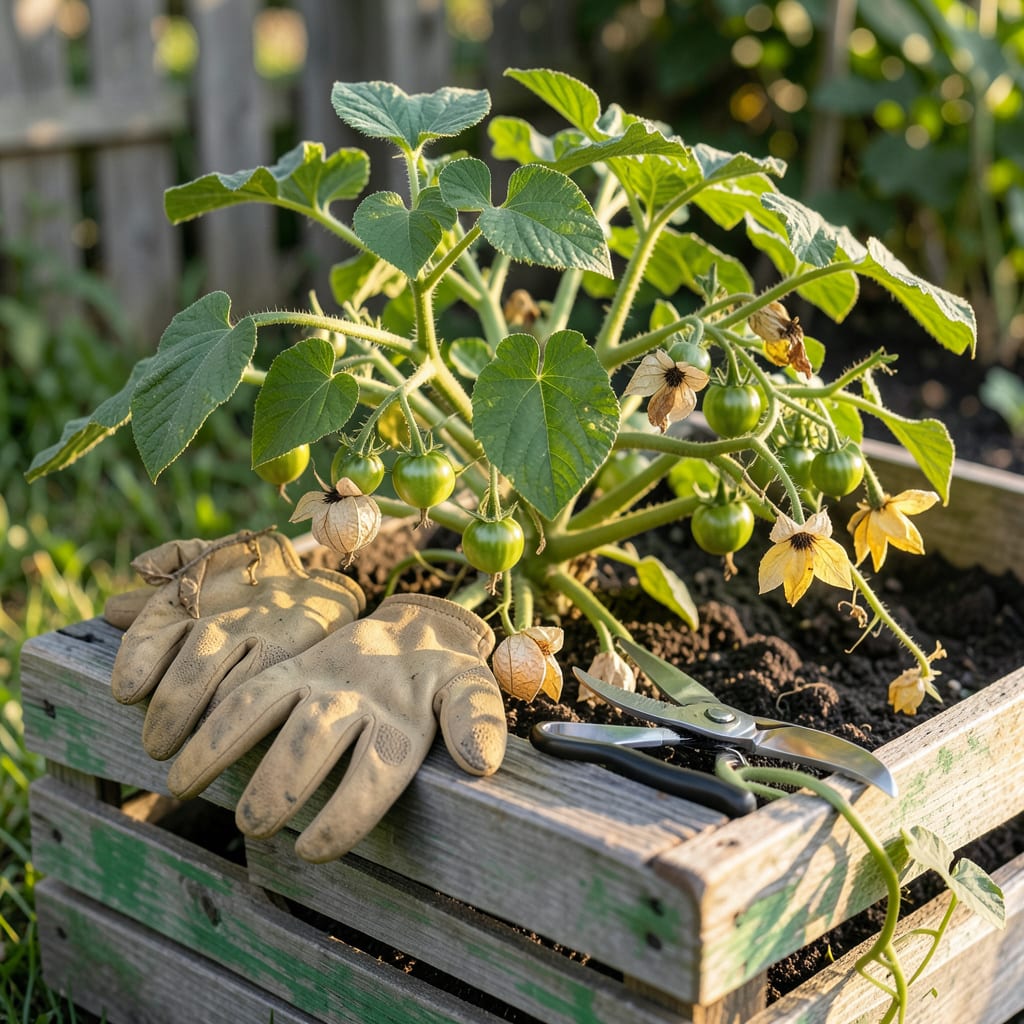
That moment when your 🟢 tomatillos are finally ready to pick—but wait, how do you know they’re truly ripe? I’ve seen too many gardeners grab them too early (or too late) and end up with bitter or mushy fruit instead of that perfect tangy flavor.
Timing is everything, and I’ll show you exactly what to look for. From the telltale husk split to the ideal firmness, we’ll cover the 3 key signs that mean your tomatillos are at their peak. No more guessing—just perfect harvests every time.


Knowing when to pick tomatillos can feel tricky, especially for first-time growers. Unlike tomatoes, tomatillos hide behind a papery husk, making it harder to judge ripeness. I’ve found that the husk’s appearance and the fruit’s texture are the best clues to perfect timing.
The ideal harvest window is when the husk turns from bright green to tan or light brown and begins to split open. Inside, the fruit should feel firm but slightly soft—like a ripe avocado. If the husk is still tightly closed, your tomatillos need more time on the vine.
| Sign | Not Ready | Ready to Harvest |
|---|---|---|
| Husk Color | Bright green, tight | Tan/brown, splitting |
| Fruit Size | Smaller than 1 inch | 2-3 inches long |
| Fruit Texture | Hard, glossy skin | Firm but yields slightly |
| Fruit Color | Dark green | Light green to yellow |
One mistake I see often is waiting for the fruit to turn yellow. While yellow tomatillos are edible, they’re often sweeter and less tangy—great for jams but not ideal for salsa verde. For that classic tart flavor, harvest when the fruit is still light green.
If you’re growing purple tomatillos, the rules change slightly. Their husks darken to deep purple, and the fruit inside will be a rich, almost black-purple when ripe. These varieties are sweeter, so I recommend picking them a bit later than green types for the best flavor.
Timing also depends on your growing zone. In warmer climates like USDA Zones 8-10, tomatillos may ripen in as little as 60 days. Cooler zones (like Zone 5-6) often need the full 90 days. Check your seed packet for variety-specific timelines.
When harvesting, use clean pruners or twist gently by hand. Avoid pulling, which can damage the plant. I like to wear gloves—the husks can be sticky! After picking, leave the husks on until you’re ready to use them; this helps preserve freshness.
If you accidentally pick tomatillos too early, don’t worry. Place them in a paper bag with a banana or apple at room temperature. The ethylene gas will speed up ripening in about 3-5 days. Just check daily for softness.
Overripe tomatillos turn mushy and lose their tang. If you spot any with wrinkled husks or soft spots, compost them. The rest of your harvest should stay fresh in the fridge for 2-3 weeks if stored in a breathable bag.
For the best flavor, I harvest tomatillos in the early morning when their sugar content is highest. This small trick makes a big difference in taste, especially if you’re canning or freezing them for later use.
Remember, tomatillos keep producing until frost, so check plants every 2-3 days during peak season. A single plant can yield 1-2 pounds of fruit per week once it gets going! 🌱
If you’ve ever wondered why your neighbor’s tomatillos ripen weeks before yours, it’s likely due to growing zone differences. Tomatillos thrive in warm climates and typically mature 60–90 days after planting. In USDA Zones 7–11, you’ll often harvest from late summer to early fall, while cooler zones may see a shorter window.
For gardeners in Zones 5–6, tomatillos need extra warmth, so I recommend starting seeds indoors 6–8 weeks before the last frost. This gives plants a head start, ensuring they reach maturity before cool autumn temperatures slow growth. In warmer zones, direct sowing after the last frost works beautifully.
In my experience, day length plays a huge role in ripening. Tomatillos need long, sunny days to develop their signature tangy flavor. If you’re in a short-season area, choose fast-maturing varieties like ‘Toma Verde’ (70 days) instead of slower types like ‘Purple’ (90+ days).
Watch the first frost date closely—tomatillos won’t tolerate frost. If an early cold snap threatens, harvest all mature fruit, even if the husks haven’t fully split. Unripe tomatillos can still ripen indoors if stored in a paper bag with an apple or banana to speed ethylene production.
For container gardeners, timing shifts slightly. Potted tomatillos often mature 5–7 days faster due to warmer soil but may produce smaller yields. I’ve found that black or dark-colored pots absorb more heat, accelerating growth in cooler zones. Just monitor soil moisture—containers dry out faster!
If you’re growing purple tomatillos, add 10–14 extra days to your harvest estimate. Their deeper pigment develops later, and picking too early results in bland, underripe fruit. In hot climates, provide afternoon shade to prevent sunburn on the husks, which can stunt ripening.
Pro tip: Keep a garden journal to track your harvest dates each year. Over time, you’ll notice patterns—like how my tomatillos in Zone 6b consistently ripen 2 weeks earlier in raised beds versus in-ground plots. Adjust planting times yearly based on your microclimate! 🌱
Once you’ve harvested your tomatillos, proper handling ensures they stay fresh and flavorful. I always start by gently wiping off any dirt or husk remnants with a damp cloth—never soak them, as excess moisture speeds up spoilage. Store them at room temperature for up to 2 weeks, or refrigerate for longer freshness.
If your tomatillos are slightly underripe, place them in a paper bag with a banana or apple. The ethylene gas from these fruits will help them ripen faster. Check daily for softness and color changes. Avoid plastic bags, which trap moisture and cause mold.
⚠️ Storage Mistakes to Avoid
For long-term storage, freezing works best. Remove husks, wash, and dry thoroughly. Spread on a tray to freeze individually, then transfer to airtight bags. They’ll keep for 6–8 months without losing flavor. Canning is another great option for sauces.
If you notice soft spots or wrinkling, use those tomatillos immediately—they’re past their prime. Perfectly ripe ones should feel firm but slightly yielding, like a ripe tomato. When in doubt, taste-test one to check for that signature tangy-sweet balance.
Remember, tomatillos continue ripening after picking, so don’t panic if they’re still firm. Just give them time in a cool, dry place. I’ve found that harvesting in the morning yields the crispest fruit, as nighttime coolness helps retain moisture.
Check for a tight, green husk that hasn’t split open yet. The fruit inside will feel very small and hard, like a marble. Underripe tomatillos also have a glossy skin and lack the signature tangy flavor.
You can, but they’ll need extra time to ripen indoors. Place them in a paper bag with a banana or apple at room temperature. Check daily—they’ll ripen in 3-5 days and develop better flavor.
Harvest in the early morning when temperatures are cool. This helps retain moisture and crispness. Avoid picking during peak afternoon heat, which can cause wilting or stress to the plant.
At room temperature, they’ll last 1-2 weeks in a dry, shaded spot. For longer storage, refrigerate in a breathable container for up to 3 weeks. Avoid plastic bags—they trap moisture and speed up spoilage.
