
Beautiful Plants For Your Interior
Beautiful Plants For Your Interior
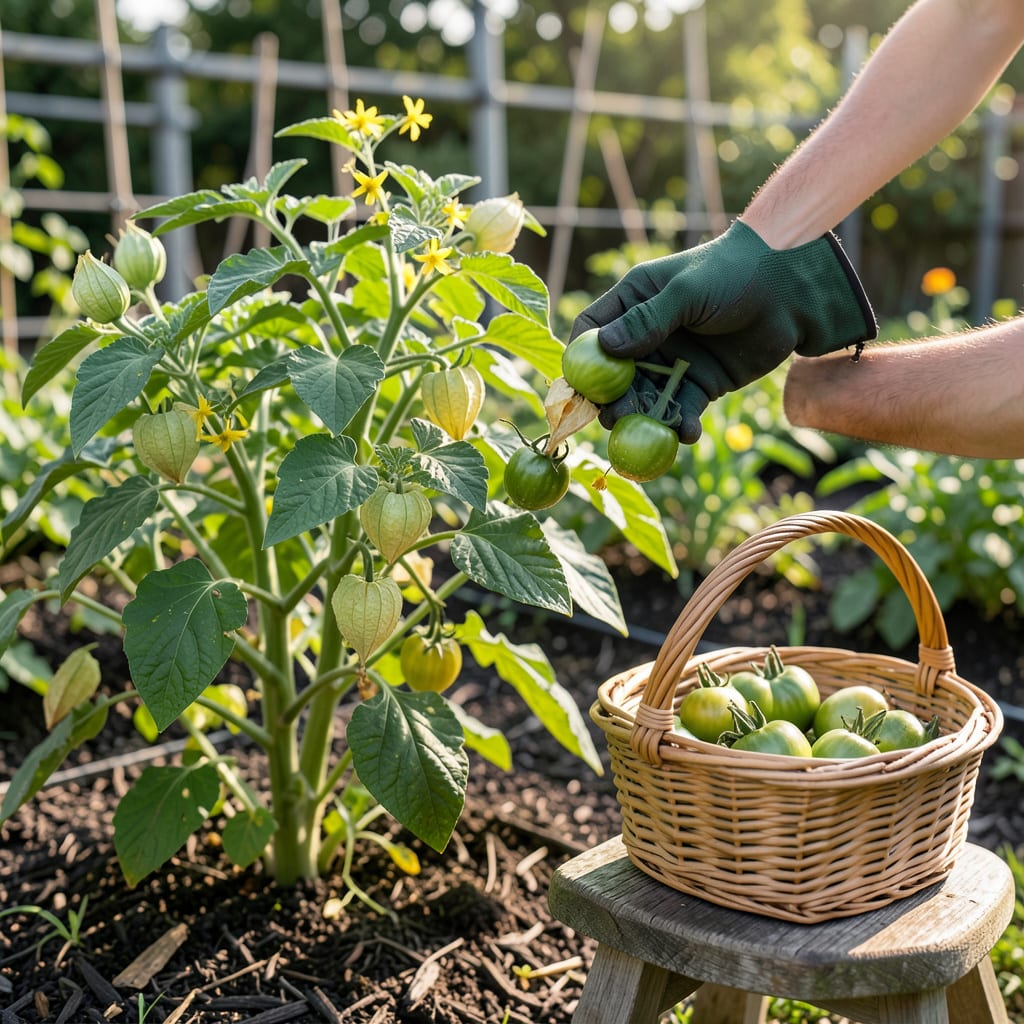
That moment when your 🟢 tomatillos are finally ready to pick—only to realize you might’ve waited too long? I’ve been there, staring at split husks wondering if I missed the perfect window. Timing isn’t just about patience; it’s the difference between tart disappointment and that bright, tangy flavor your recipes crave.
After years of trial (and error), I’ve nailed down the foolproof signs—from husk behavior to fruit firmness—that guarantee you’ll harvest at peak ripeness. Whether you’re in zone 6a or battling a finicky growing season, I’ll show you exactly how to call it just right, every time.


There’s nothing worse than cutting open a tomatillo husk only to find the fruit isn’t ready. I’ve learned the hard way that husk behavior and fruit firmness are your best clues. Forget guessing—your plants will actually tell you when they’re ready if you know what to look for.
The classic “paper lantern” effect—when the husk splits open like a blooming flower—is your first visual cue. But don’t stop there. The fruit inside should feel firm to the touch, like a ripe grape, and measure 1-2 inches in diameter. Size matters here!
| Harvest Sign | What to Look For |
|---|---|
| Husk Splitting | Husk opens naturally, exposing fruit ✅ |
| Fruit Size | 1-2 inches in diameter 📏 |
| Fruit Color | Bright green (or purple for some varieties) 🟢 |
| Fruit Firmness | Feels solid, not mushy or rock-hard |
| Husk Dryness | Husk turns papery and browns slightly |
Here’s a trick I swear by: Gently squeeze the fruit through the husk. If it gives slightly like a ripe cherry tomato, it’s ready. Too hard? Give it 2-3 more days. Too soft? You’ve waited too long—use those for cooking immediately.
Watch out for overripe signs: husks that turn completely brown or fruit that feels squishy. These tomatillos will taste bitter and lose their signature tang. On the flip side, if the husk is still tightly sealed or the fruit is smaller than a ping-pong ball, it needs more time.
Timing varies by variety, but most tomatillos reach maturity in 60-90 days from planting. In my Zone 6a garden, I start checking around Day 70—that’s when the magic usually happens. Cooler climates may add 1-2 weeks to this window.
Don’t forget the “shake test”! Hold the stem and gently wiggle the fruit. If it detaches easily, it’s harvest-ready. If it clings stubbornly, walk away and check back in 48 hours. Patience pays off with tomatillos.
Pro tip: Harvest in the early morning when fruits are plumpest. Use clean pruners to snip stems, leaving a 1/2-inch stub to prevent rot. Store unwashed tomatillos in their husks in a paper bag in the fridge for up to 2 weeks.
If you’re growing Purple tomatillos, wait until the fruit develops a deep, even purple hue—this variety needs extra time. For Verde types, that bright green color is your golden ticket. When in doubt, harvest a test fruit and taste it!
Remember: Tomatillos keep ripening off the vine, but flavor peaks when picked at the right moment. Missed the window? Overripe fruits work great in cooked sauces, while underripe ones can be pickled. But for that perfect fresh salsa verde, timing is everything.
Now that you know the signs, grab your pruners and get picking! Your taste buds (and your salsa) will thank you. Next up, let’s talk about how your climate zone might tweak these timelines—because Mother Nature loves keeping us on our toes. 🌱
If you’ve ever wondered why your neighbor’s tomatillos are ready weeks before yours, climate zone and variety selection are likely the culprits. In my Zone 6a garden, Verde tomatillos typically hit peak ripeness in 70-75 days, while Purple varieties can lag behind by a week or two.
Container gardeners, take note: your tomatillos might mature 5-10 days faster than in-ground plants due to warmer soil temps. But if you’re in a cooler zone, like Zone 5, expect to add 10-14 days to those estimates. Frost warnings? Harvest immediately—even slightly underripe tomatillos beat frost-damaged ones.
| Variety | Days to Maturity | Climate Zone Adjustments | Best For |
|---|---|---|---|
| Verde | 65-75 days | +7 days in Zone 5 -5 days in Zone 8+ |
Salsa verde, sauces |
| Purple | 80-90 days | +10 days in Zone 5 -3 days in Zone 9 |
Jams, unique color dishes |
| Toma Verde | 70-80 days | +5 days in Zone 6 -7 days in containers |
All-purpose cooking |
| Gigante | 90-100 days | +14 days in Zone 4 -2 days in Zone 10 |
Large-fruit recipes |
Here’s my pro tip: Track your last frost date. Tomatillos planted 2 weeks after that date (when soil hits 60°F) will follow the maturity timeline above. Miss that window, and you’re playing catch-up all season. In short-season areas, start seeds indoors 6-8 weeks early to hit your harvest goal.
Watch for early fall frosts—they’ll wipe out your plants overnight. If temps dip below 32°F, harvest all tomatillos, even if husks haven’t split. They’ll continue ripening indoors at room temp. I once saved a whole batch by plucking them early and storing in a paper bag with a banana (the ethylene gas speeds ripening).
Container growers, your tomatillos might fool you with faster growth, but don’t rush it. I check fruit firmness daily once husks start yellowing. A gentle squeeze should feel like a firm grape—no mush, no rock-hard resistance. And size matters: 1-2 inches in diameter is the sweet spot for most varieties.
If you’re growing Purple tomatillos, patience is key. Their deeper pigment develops late, so wait until the husk splits fully and the fruit turns a rich, dull purple. Verde types are more forgiving—harvest when husks turn tan and papery, even if the fruit is still bright green. Trust me, that’s when the flavor peaks!
Still unsure? Grab your gardening journal and jot down first husk-split dates each year. Over time, you’ll spot patterns tied to your microclimate. My records show my Verde tomatillos consistently ripen 3 days earlier in drought years—proof that even watering habits tweak timelines. 🌱
Timing your tomatillo harvest isn’t just about patience—it’s about flavor and texture. I’ve ruined batches by picking too soon (hello, mouth-puckering tartness!) and lost others by waiting too long (goodbye, firm texture). Let me save you from my mistakes by breaking down exactly what goes wrong—and how to fix it.
Pick too early, and you’ll get hard, sour tomatillos that lack their signature tangy-sweet balance. The husk might still be tightly closed, and the fruit inside will be pale green and rock-hard. These underripe gems need 1-2 more weeks on the vine—or a quick pickle brine to salvage them. I once turned a batch into tangy pickled tomatillos that were a hit at summer BBQs!
Wait too long, and you’re dealing with overripe tomatillos that collapse when cooked. The husk turns brittle and brown, while the fruit inside becomes soft and mealy. These are still usable—just cook them down into sauces or jams where texture isn’t critical. I blend overripe ones into smoky salsa verde; the charred flavor masks any bitterness.
The goldilocks zone is when the husk just starts splitting (but isn’t fully open) and the fruit feels like a firm grape. This is when sugars and acids are perfectly balanced. Miss this window, and you’re either fighting tartness with extra sugar or rescuing mushy fruit with long cook times. Neither is ideal for fresh dishes.
Here’s my emergency fix for underripe tomatillos: Toss them in a paper bag with an apple for 2-3 days. The ethylene gas will ripen them slightly. For overripe ones, roast at 400°F for 20 minutes to concentrate flavors. Both methods salvage the harvest when timing goes wrong. 🌱
Gently squeeze the fruit through the husk—it should feel like a firm grape. If it’s rock-hard, wait 2-3 more days. The husk should also start turning tan and papery.
Pick in the early morning when fruits are plumpest. The cooler temps help preserve firmness. Avoid midday heat, which can make them soften too quickly.
No—frost ruins tomatillos overnight. Harvest all fruit if temps drop below 32°F, even if husks haven’t split. They’ll continue ripening indoors in a paper bag.
Keep them unwashed in their husks in a paper bag in the fridge for up to 2 weeks. For longer storage, roast and freeze the pulp.
