
Beautiful Plants For Your Interior
Beautiful Plants For Your Interior
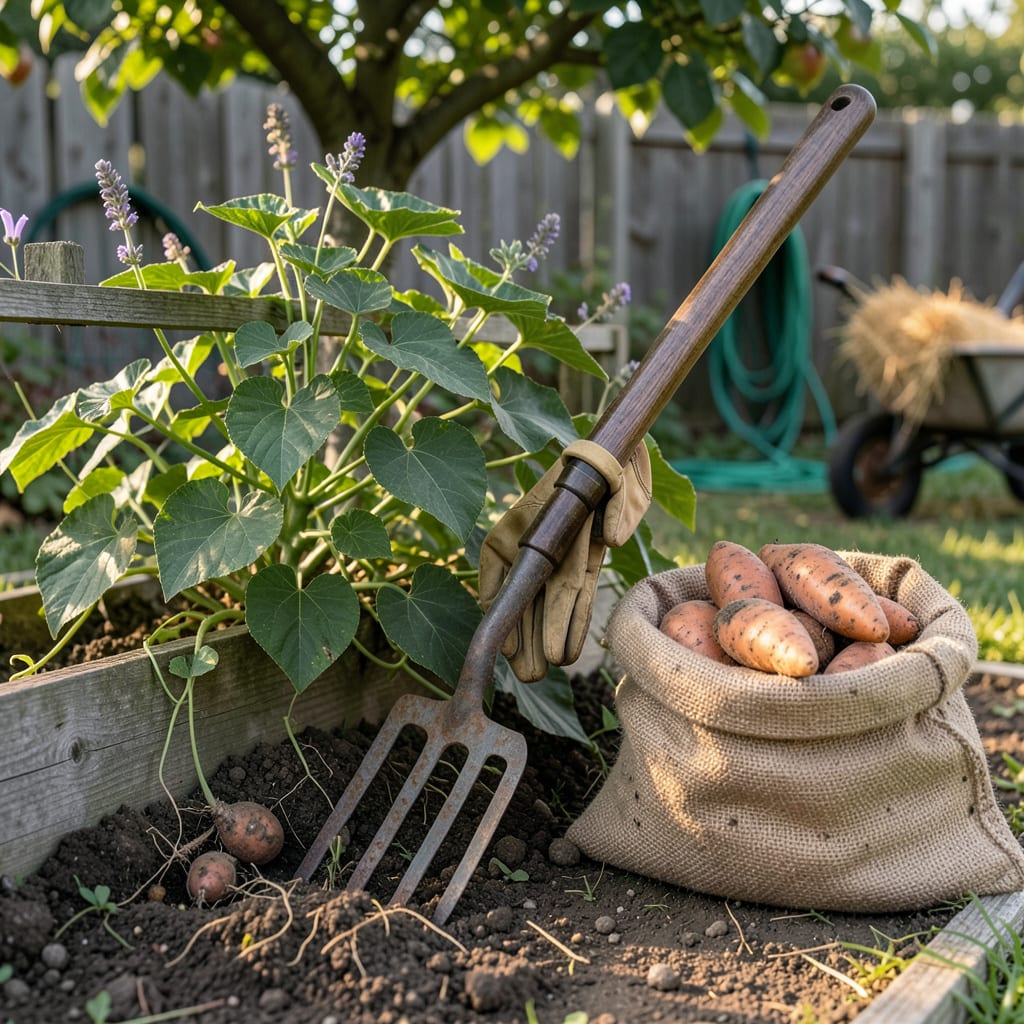
There’s nothing quite like the satisfaction of pulling perfectly ripe sweet potatoes from your garden—plump, vibrant, and ready for the table. But timing is everything. Dig too soon, and you’ll get undersized tubers; wait too long, and frost or rot could ruin your crop.
I’ve learned the hard way that September to October is prime time for most zones, but the real secret lies in watching your 🍠 plants, not just the calendar. Let me show you how to read the signs—from dying vines to soil temps—so you harvest at the exact right moment every time.


Timing your sweet potato harvest perfectly ensures the best flavor and storage life. I’ve learned that waiting for the right visual cues is more reliable than just counting days. The vines tell the story—when they start yellowing and dying back, your tubers are likely ready.
Most varieties need 90–120 days to mature, but climate and soil conditions can shift this timeline. I always check the skin firmness and root size before digging. If the skin resists thumb pressure and roots are 6–8 inches long, you’re in the sweet spot.
| Sign | Ready Status | Action |
|---|---|---|
| Leaves yellowing/dying | ✅ Ready | Harvest within 1–2 weeks |
| Skin resists thumb pressure | ✅ Ready | Test 3–4 tubers first |
| Roots 6–8 inches long | ✅ Ready | Use a garden fork to check |
| Leaves still green/vibrant | 🚫 Too Early | Wait 2–3 more weeks |
| First light frost forecast | ⚠️ Harvest Now | Frost damages uncured tubers |
*Test harvest a few tubers if unsure—size and skin thickness are the best indicators!
I always dig a test tuber before harvesting the whole crop. If the skin is thin or the flesh is pale, I give them more time. The color deepens as they mature—look for rich orange or purple hues, depending on the variety.
Soil temperature matters too. Sweet potatoes prefer warmer soil (60–70°F) for curing. If an early frost threatens, I’ll harvest immediately, even if vines are still green. A light frost can ruin uncured tubers, turning them mushy.
For Beauregard or Georgia Jet varieties, I aim for the 100–110 day mark. Slower-growing types like Hannah may need the full 120 days. Keep notes each year—your microclimate might speed up or delay maturity.
Pro tip: Morning harvesting reduces stress on the plants. I use a garden fork to gently loosen the soil, then pull tubers by hand to avoid bruising. Brush off dirt but don’t wash them—curing works best with dry skins.
If you’re in a short-season area, start slips indoors or use black plastic mulch to warm the soil faster. I’ve had success with row covers to extend the season by a few critical weeks.
Remember, over-mature tubers can crack or become fibrous. If you see vines regrowing after dieback, it’s past time to harvest. Store them in a dark, warm (80°F) place for 10 days to cure before eating.
By watching these signs and adjusting for your climate, you’ll pull up sweet potatoes at their peak every time. Trust the vines and soil, not just the calendar! 🪴
If you’ve ever wondered why your neighbor’s sweet potatoes are ready before yours, the answer often lies in the weather. Regional climate plays a huge role in determining when to harvest, especially since sweet potatoes thrive in warm soil and hate frost. I’ve seen gardeners in Zone 9 dig theirs in late October, while those in Zone 5 rush to beat the first frost in September.
One of the biggest risks is early frost, which can damage tubers and ruin their texture. If your area expects frost within a week, it’s time to harvest—even if the vines aren’t fully dead. Conversely, in hot, dry climates, sweet potatoes may mature faster due to consistent warmth. Always check your local frost dates and adjust accordingly.
⚠️ Frost Alert!
Sweet potatoes cannot tolerate frost. If temperatures drop below 50°F (10°C), dig them up immediately—even if the vines are still green. Use a soil thermometer to monitor conditions, and cover plants with row fabric if a light frost is forecasted.
Soil moisture also impacts harvest timing. Too much rain before digging can lead to cracked or rotting tubers, while drought may stunt their growth. I recommend harvesting after a dry spell when the soil is loose and easy to work. If heavy rain is in the forecast, consider digging a few days early to avoid waterlogged roots.
For those in short-season areas, choose fast-maturing varieties like ‘Georgia Jet’ (90 days) instead of ‘Beauregard’ (100+ days). If your growing season is cut short, you can extend it slightly by using black plastic mulch to warm the soil or planting slips in raised beds, which drain faster and heat up quicker.
Don’t forget about soil temperature—it’s just as critical as air temperature. Sweet potatoes stop growing when soil dips below 60°F (15°C). Use a soil thermometer to check depths of 4–6 inches where the tubers form. If the soil is cooling rapidly, it’s a clear sign to start harvesting, even if the vines aren’t fully brown.
Finally, if you’re dealing with an unexpected heatwave, your sweet potatoes might mature faster than expected. Keep an eye on the vine growth—if they start yellowing earlier than the 100–120 day mark, do a test dig on one plant. If the tubers are firm and 3+ inches long, the rest are likely ready too.☀️
Timing your sweet potato harvest isn’t just about convenience—it directly impacts flavor, texture, and storage life. I’ve made the mistake of digging too early and ending up with tubers that were small, starchy, and lacking sweetness. On the flip side, waiting too long can lead to cracked skins or rot from excess moisture.
Harvesting too early (before 90 days) means the tubers haven’t converted their starches to sugars yet. You’ll get pale, watery sweet potatoes that cook up bland. I once pulled a batch at 80 days during a cold snap—big regret! The skins were paper-thin, and they spoiled within weeks.
Ideal Window: 100–110 days for most varieties (check vine dieback!)
If you’ve already harvested early, don’t despair! You can cure them longer (up to 14 days at 80–85°F) to improve sweetness. I’ve salvaged early batches by storing them in a cardboard box with apples—the ethylene gas speeds up sugar development. Just avoid washing them first, as moisture encourages rot.
For over-mature tubers, focus on using them quickly. The texture may be mealy, but they’re still great for mashing or baking. If cracks appear, cut away damaged areas and use the rest promptly. I once left a patch too long, and the tubers grew huge but hollow—lesson learned!
To avoid these issues, test-dig one plant at 90 days. If the tubers are firm, 3+ inches long, and the skin resists scratching, proceed with the full harvest. If not, wait 1–2 weeks and check again. In cool climates, use row covers to buy extra time if frost threatens.
Remember: Sweet potatoes don’t stop growing until frost kills the vines. But pushing them too far risks pest damage (like wireworms) or soil-borne diseases. When in doubt, harvest on the earlier side and cure properly—it’s better than losing the crop to a surprise frost! 🌡️
Harvesting too early results in small, starchy tubers with thin skins that don’t store well. The sweetness develops in the final weeks, so early-harvested potatoes often taste bland. If you must dig early due to frost, cure them longer (14 days at 80°F) to improve flavor.
Never! Even a light frost damages uncured tubers, turning them mushy. Dig immediately if frost is forecasted, even if vines are still green. Use a soil thermometer—when temps drop below 50°F, it’s emergency harvest time.
Over-mature tubers develop cracked skins, fibrous texture, or even hollow centers. Watch for vines regrowing after dieback—this means they’ve passed peak. Test-dig one: if it’s larger than 8 inches or skin feels rough, harvest the whole crop.
Morning harvesting (before 10 AM) is ideal when soil moisture is balanced and plants are less stressed. Avoid digging after rain—wet soil makes tubers prone to rot. Use a garden fork to loosen soil first, then pull gently by hand.
Fast varieties like Georgia Jet mature in 90 days, while Beauregard needs 100-110 days. Heirloom types may require 120+ days. Always check your seed packet and adjust based on your local growing season length.
