
Beautiful Plants For Your Interior
Beautiful Plants For Your Interior
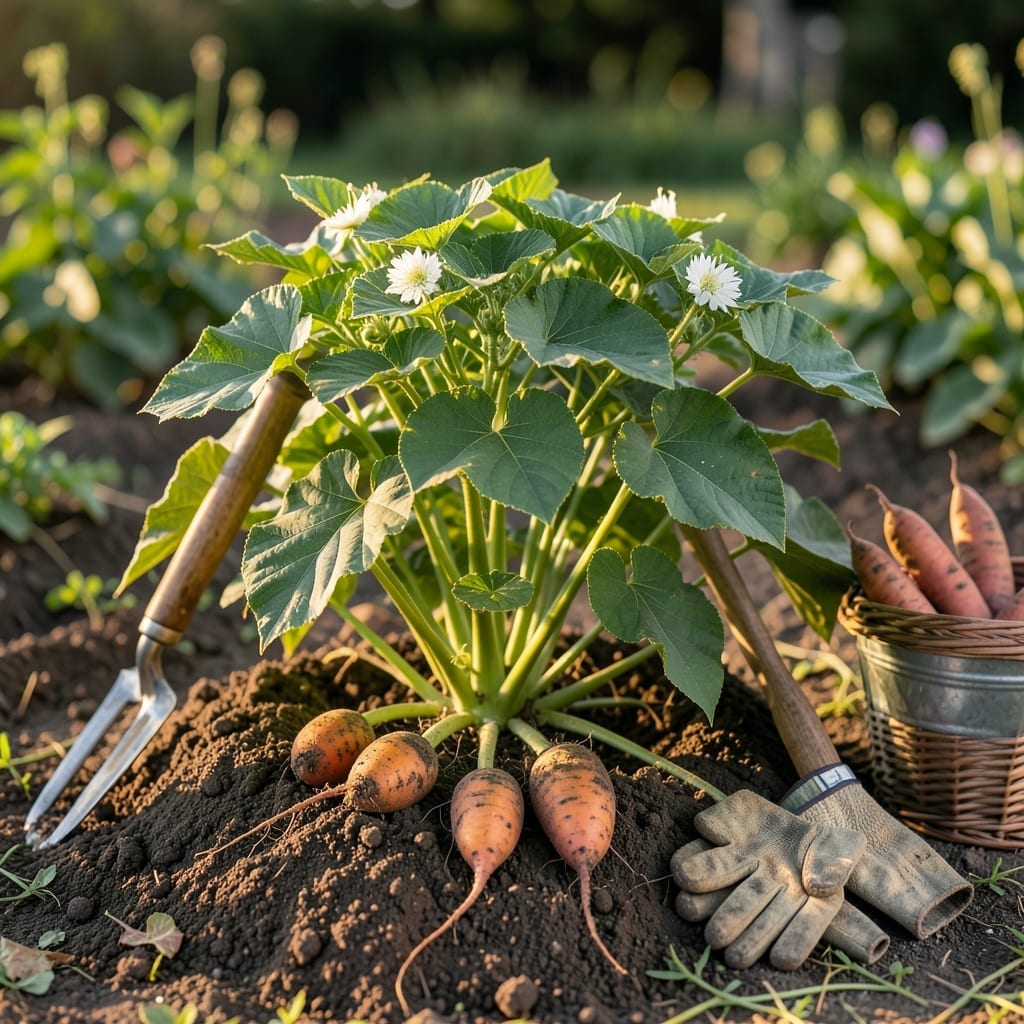
Knowing exactly when to pick Sweet Potato 🍠 from the garden can mean the difference between a lackluster harvest and a bumper crop of flavorful, nutrient-packed tubers.
Timing is everything—harvest too early, and you’ll miss out on peak sweetness. Wait too long, and you risk damage from frost or pests.
I’ve learned that watching for key signs like yellowing leaves and firm skin makes all the difference. These visual cues tell you your Sweet Potatoes are ready.
Discover how to time your harvest perfectly and enjoy the best flavor from your garden this season.
Timing your sweet potato harvest perfectly ensures the best flavor and storage life. I watch for visual cues like yellowing leaves and dying back vines, which signal maturity.
Most sweet potato varieties reach maturity in 90-120 days, but I always check the specific days to maturity for my planted type. Early varieties may be ready in 90 days, while others need the full 120 days.
| Sign | Description |
|---|---|
| Leaf Color | Turns yellow or brown |
| Vine Condition | Dying back or wilting |
| Skin Firmness | Resists scratching when rubbed |
| Tuber Size | 3-5 inches in diameter |
| Days to Maturity | 90-120 days from planting |
I always check the soil temperature too. Sweet potatoes hate cold soil, so I harvest before the first frost hits. In my USDA Zone 6 garden, that’s usually by mid-October.
Another trick I use is the scratch test. I gently brush away soil near the base of the plant and check the tuber skin. If it’s firm and smooth, it’s ready. If it scratches easily, I wait another week or two.
Vine health is a great indicator. When the vines start yellowing and losing vigor, the plant is redirecting energy to the tubers. This is nature’s way of saying, “Time to harvest!”
I also consider the weather forecast. If a cold snap is coming, I’ll harvest early to avoid frost damage. Sweet potatoes can’t tolerate temperatures below 50°F, so I act fast when the forecast dips.
For container-grown sweet potatoes, I look for the same signs but may need to harvest a bit earlier. Containers can dry out faster, and the tubers might mature quicker in the confined space.
Finally, I keep a garden journal to track planting dates and harvest times. This helps me refine my timing each year and ensures I never miss the optimal harvest window.
With these signs in mind, you’ll know exactly when to pick sweet potatoes for the best results every time 🌱
I’ve found that the best time to harvest sweet potatoes is on a dry, sunny day when the soil is loose. This makes digging easier and reduces the risk of cutting or bruising the tubers.
Using a garden fork or shovel, I gently lift the soil around the plant, taking care not to pierce the sweet potatoes below. It’s best to start about 12 inches away from the plant’s base.
After lifting the plant, I shake off excess dirt and let the tubers dry in the sun for a few hours. This helps them harden their skin, which protects them during storage.
I never wash sweet potatoes right after harvesting. Instead, I brush off loose soil and let them cure in a warm (80-85°F), humid place for about 10 days. This step is crucial for flavor development.
Once cured, I store them in a cool, dry place around 55-60°F. Proper curing and storage can extend their shelf life for several months without losing quality.
By following these steps, I ensure my sweet potato harvest stays fresh and delicious for as long as possible. It’s all about gentle handling and proper post-harvest care. 🌱