
Beautiful Plants For Your Interior
Beautiful Plants For Your Interior
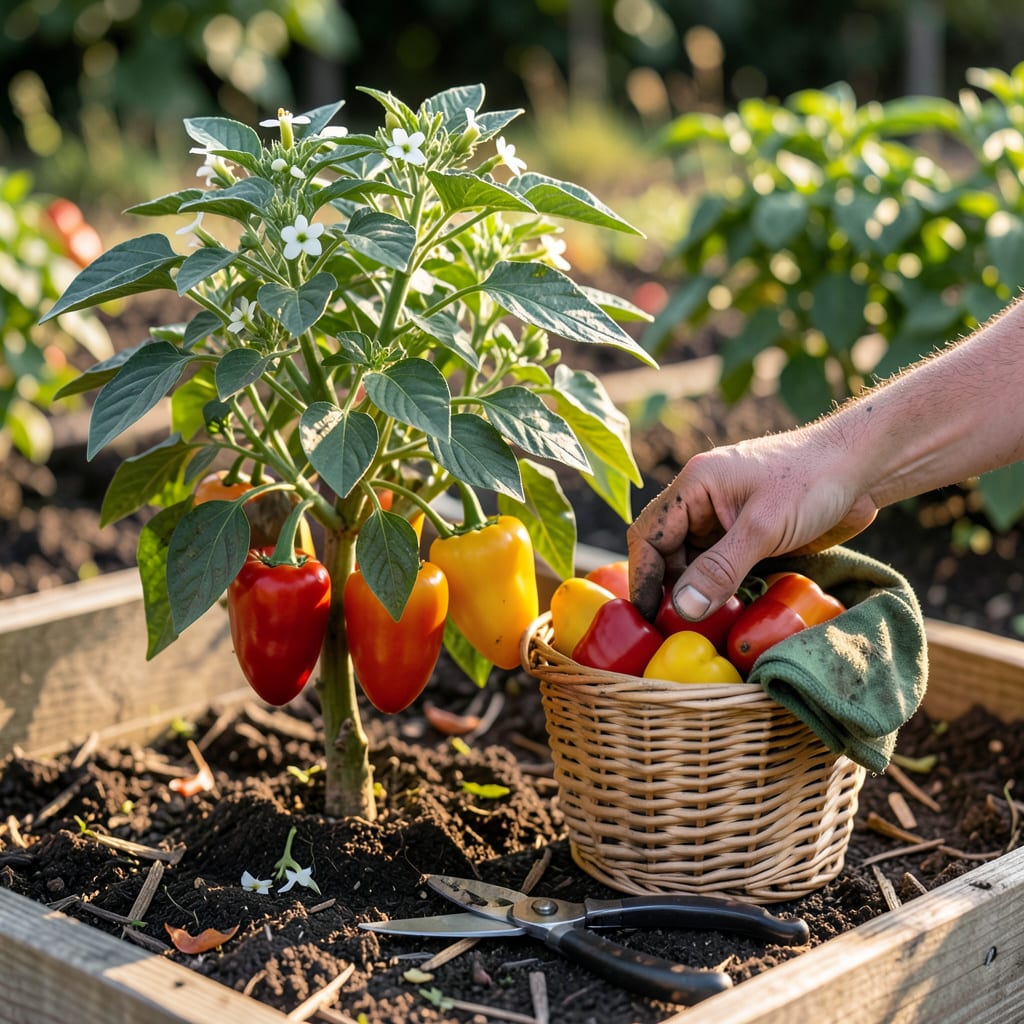
There’s nothing quite like the satisfaction of plucking a perfectly ripe Sweet Pepper from your garden—crisp, vibrant, and bursting with flavor. But timing that harvest can feel like a guessing game, leaving many gardeners wondering if they’re picking too soon or waiting too long.
I’ve learned the hard way that waiting for the right moment makes all the difference. Whether you’re growing classic bells or colorful sweet varieties, I’ll show you the foolproof signs to look for. Let’s make sure your juiciest harvest yet ends up on your plate, not left wondering on the vine.


Nothing beats the sweet crunch of a homegrown pepper picked at its peak. But how do you know when that moment arrives? I’ve found that color changes and firmness tests are your best guides—far more reliable than just counting days.
Most sweet peppers start green and immature, gradually transforming to their final hue. But don’t rush—patience rewards you with maximum sweetness and texture. Let’s break down the exact signs to watch for, from classic bells to specialty varieties.🌱
| Variety | Ready Color | Size | Days to Maturity |
|---|---|---|---|
| Bell Pepper | Green → Red/Yellow | 3-4 inches | 60-90 days |
| Banana Pepper | Pale Yellow → Bright Yellow | 4-6 inches | 65-75 days |
| Cubanelle | Light Green → Red | 4-5 inches | 70-80 days |
| Mini Sweet | Green → Red/Orange | 1-2 inches | 55-65 days |
The thumbnail test is my go-to trick: gently press your fingernail into the pepper’s skin. If it leaves a slight indentation, it’s ready. For bell peppers, wait until they’re fully colored—green ones are edible but less sweet than red or yellow.
Size matters too! Most sweet peppers reach full size before fully coloring. I check the seed packet for expected dimensions—typically 3-4 inches for bells, longer for banana types. Don’t be fooled by small peppers; they might just need more time.🌿
Watch the stem connection. A ripe pepper will separate easily with a gentle twist. If you’re struggling to pull it off, give it another 2-3 days. The stem should remain green and firm—any browning suggests over-ripeness.
For continuous harvests, I pick peppers as soon as they’re ready. Leaving overripe fruit on the plant signals it to stop producing. I use clean pruning shears to avoid damaging the stem, which can invite disease.
Morning is the best harvest time—peppers are crispest after cool nights. I bring a basket and check plants every 2-3 days during peak season. You’ll be amazed how quickly they ripen in warm weather!☀️
Remember that weather affects ripening. Cool spells slow the process, while heat waves can speed it up. I keep a garden journal to track how my plants respond to local conditions—it’s the secret to perfect timing year after year.
Did you know that when you harvest your sweet peppers can dramatically change their flavor profile and how many more peppers your plant produces? I’ve experimented with picking at different stages, and the differences are astonishing. The secret lies in understanding how ripeness affects both taste and productivity.
Sweet peppers undergo remarkable changes as they mature. A green bell pepper is actually the same fruit as a red one—just harvested earlier. The longer you leave it on the plant, the more natural sugars develop, transforming the flavor from grassy to intensely sweet. But there’s a trade-off: waiting too long can reduce overall yield.🌱
| Stage | Flavor Profile | Vitamin C | Yield Impact |
|---|---|---|---|
| Green Stage | Mild, grassy, less sweet | Moderate (50mg/100g) | Highest yield, more fruit |
| Breaker Stage | Balanced sweetness, crisp | High (70mg/100g) | Good balance of yield |
| Fully Ripe | Maximum sweetness, fruity | Peak (120mg/100g) | Lower yield, fewer fruit |
I’ve noticed that red peppers can have twice the vitamin C of green ones! This happens because as peppers ripen, they develop more ascorbic acid. For health-conscious gardeners, this might make waiting worth it. But remember: once a pepper turns fully red, the plant focuses energy on ripening existing fruit rather than producing new ones.
Here’s my strategy for maximum yield AND flavor: I harvest about half my peppers green (when they reach full size) and let the rest fully ripen. This keeps production high while still giving me those incredibly sweet, colorful peppers. For banana peppers, I find the yellow stage offers the best balance of sweetness and productivity.🌿
Temperature plays a surprising role too. In my garden, peppers ripen 20% faster in 90°F+ weather compared to cooler 70s. I use this to my advantage by picking green peppers during heat waves to prevent sun scald, then letting later fruits fully ripen in milder fall weather.
Don’t forget that regular harvesting actually stimulates more production. I make it a habit to check plants every 2-3 days during peak season. When I remove ripe peppers promptly, the plant redirects energy to new flowers and fruit. It’s like telling your plant, “Great job—now make more!”☀️
For those growing heirloom varieties, flavor development is even more dramatic. I’ve grown ‘Coral Bell’ peppers that start purple and turn orange—each stage offers a completely different taste experience. Experiment with your varieties to discover their unique ripening personalities!
Even experienced gardeners sometimes make harvesting mistakes that can reduce pepper quality or damage plants. I’ve learned these lessons the hard way, so you don’t have to! The most common error I see is pulling peppers instead of cutting them—this can tear stems and create entry points for disease.🌱
Another frequent misstep is harvesting too early. I once picked a whole batch of green bell peppers thinking they were ready, only to discover they were still developing their full size. Patience pays off—wait until peppers reach their mature dimensions and show proper color.🌿
I’ve found that weather conditions dramatically affect harvest success. Picking peppers when they’re wet from rain or dew can spread fungal spores. I always harvest in dry morning conditions for best results. The crisp morning air also helps peppers stay firmer longer after picking.☀️
Tool hygiene matters more than you might think. I keep a small bottle of rubbing alcohol in my gardening kit to wipe pruners between plants. This simple step prevents spreading bacterial spot or other diseases that can devastate your pepper crop. Clean cuts heal faster too!
The final mistake I see is improper post-harvest handling. Never toss freshly picked peppers in a plastic bag—they’ll sweat and spoil quickly. Instead, I store them in paper bags in the fridge’s crisper drawer where they’ll keep for 1-2 weeks. For longer storage, I’ve had success freezing sliced peppers on trays before bagging.
Check the size and firmness first. Most sweet peppers reach full size before coloring up. For bell peppers, this means 3-4 inches long. Gently press the skin—if it feels firm with slight give, it’s maturing. The thumbnail test works too: press lightly; if it leaves a faint mark, it’s getting close.
Sweet peppers won’t ripen further like tomatoes, but they’ll soften. If picked at breaker stage (just starting to color), they may develop slightly more sweetness. For best flavor, let them fully ripen on the plant. Store at room temperature if you must pick early.
Early morning is ideal, right after dew dries but before temperatures rise. Peppers are crispest then, with highest water content. Avoid midday heat when plants are stressed. Use clean, sharp pruning shears to make precise cuts.
Inspect plants every 2-3 days in warm weather. Sweet peppers can ripen quickly, especially in 80°F+ temperatures. Daily checks prevent overripening. Keep a harvest basket handy—you’ll be surprised how fast they accumulate!
Green peppers are just immature versions of colored ones. They’ll be less sweet but perfectly edible. For continuous harvests, pick some green to encourage new fruit production. Just ensure they’ve reached full size first.
