
Beautiful Plants For Your Interior
Beautiful Plants For Your Interior
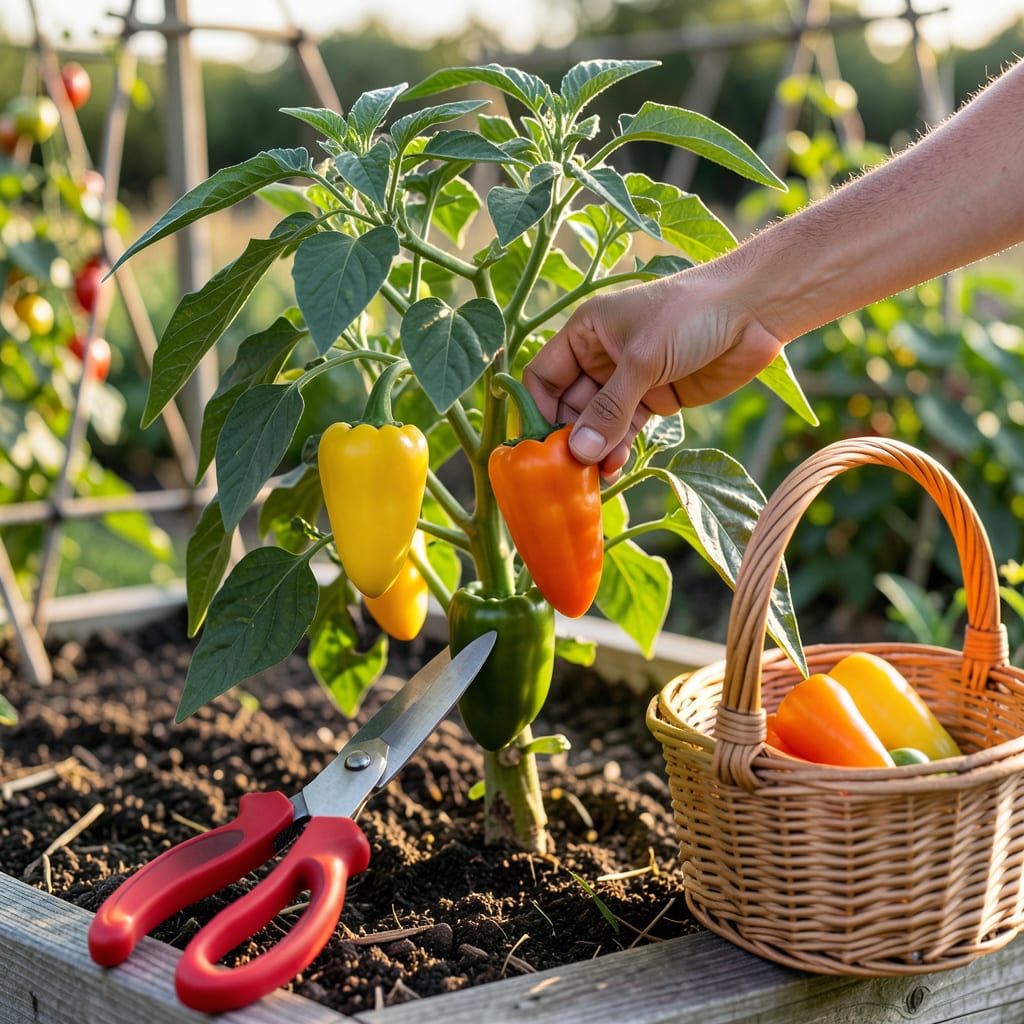
There’s nothing quite like the satisfaction of plucking a perfectly ripe Sweet Banana Pepper from your garden—only to realize you’ve missed the ideal window. One day too soon, and it’s tart; one day too late, and it’s mushy.
I’ve learned the hard way that timing is everything. Whether you’re growing them for fresh snacks or pickling, knowing the exact moment to harvest makes all the difference. Let’s break down the simple visual cues and seasonal timing that guarantee the best flavor every time.


If you’re growing sweet banana peppers, timing your harvest is everything. These vibrant peppers transition from green to yellow and finally to red as they mature, but the sweet spot for most gardeners is that bright yellow stage. I’ve found that waiting just a few extra days can dramatically improve their flavor and texture.
Look for peppers that are 6-8 inches long with a glossy, firm skin. The color should be a consistent bright yellow, not pale or patchy. When you gently press the pepper, it should have a slight give—like a ripe avocado—but still feel solid. This is when the sugars are at their peak!
| Ripeness Stage | Color | Size | Firmness | Best For |
|---|---|---|---|---|
| Early Harvest | Pale yellow-green | 4-5 inches | Very firm | Pickling, frying |
| Peak Ripeness | Bright yellow | 6-8 inches | Slight give | Fresh eating, stuffing |
| Fully Mature | Deep yellow/red | 8+ inches | Softer | Drying, sauces |
One of my favorite tricks is the thumbnail test. Gently press your thumbnail into the pepper’s skin. If it leaves a slight indentation that bounces back, it’s ready. If the skin resists completely, give it a few more days. The stem should also snap cleanly when bent—this indicates the pepper is fully detached from the plant’s nutrients.
Don’t forget to check the stem end of the pepper. A fully ripe banana pepper will have a yellow or light green stem, not dark green. If the stem is still hard and dark, the pepper isn’t quite ready. I also like to give the pepper a gentle sniff—ripe ones have a faint, sweet aroma.
The time from planting to harvest is typically 60-75 days, but this can vary based on your climate. In warmer zones, peppers may ripen faster, while cooler areas might extend the timeline. Keep an eye on the first flowers—once they appear, you’re about 4-6 weeks away from your first harvest.
If you’re growing multiple plants, stagger your harvests. Pick a few peppers at the pale yellow stage for a milder flavor, and leave others to fully ripen. This way, you’ll have peppers for different uses throughout the season. I love using the younger ones for pickling and saving the fully ripe ones for fresh snacks.
Weather plays a big role too. If a heatwave is forecasted, peppers can ripen overnight. Conversely, cool spells might slow things down. I always check my plants after extreme weather—you might be surprised by how quickly they change! A sudden temperature drop can also make peppers soften faster, so harvest promptly.
Once picked, store your peppers in the fridge in a paper bag to maintain humidity. They’ll keep for about a week, but for the best flavor, use them within 3-4 days. If you have more than you can use, consider freezing them whole—they’ll keep for months and work great in cooked dishes.
Finally, don’t be afraid to taste-test! Slice a small piece from the tip of a pepper to check its sweetness. If it’s still bitter, leave the rest on the plant for another 2-3 days. Trust me, your patience will pay off with the perfect balance of crispness and sweetness. 🌶️
I’ve found that picking sweet banana peppers at the right stage can completely transform their flavor and texture. If you harvest them too early, you’ll end up with a grassy, bitter taste that’s far from the sweet crunch you want. Wait too long, and they lose that perfect crispness.
The secret lies in the color transition—from pale yellow to vibrant yellow or even red. Each stage offers a unique flavor profile. Early yellow peppers are milder, while fully red ones pack a sweeter, fruitier punch. This makes timing everything, especially if you’re planning to pickle or stuff them.
For fresh eating, I recommend picking them at the bright yellow stage. This is when their sugar content is highest, giving you that signature sweetness. If you’re planning to pickle, a mix of yellow and orange peppers adds both crunch and depth to your jars.
If you’re growing peppers for stuffing or grilling, aim for the 6-8 inch length with a firm texture. These hold up better to heat and retain their shape. Overripe peppers, while sweeter, can turn mushy when cooked—so keep an eye on their firmness.
One trick I swear by is the thumbnail test. Gently press your thumbnail into the pepper’s skin. If it leaves a slight indentation, it’s ready. If it bounces back immediately, give it a few more days. This simple test saves me from harvesting too early every time.
Finally, remember that weather plays a role too. Hot summers can speed up ripening, while cooler temps slow it down. If frost is approaching, harvest all peppers—even green ones will ripen indoors if stored at room temperature with ethylene-producing fruits like apples.
Even experienced gardeners can make costly mistakes when harvesting sweet banana peppers. The most common? Picking them too early—before they’ve developed their full sweetness. I’ve seen gardeners harvest at the first sign of yellow, only to end up with tart, underdeveloped flavors.
Another pitfall is waiting too long. Overripe peppers turn soft and lose their signature crispness. I once left a batch on the plant during a heatwave, and they went from perfect to mushy in just 48 hours. Timing really is everything with these peppers!
I always use sharp pruners or scissors to avoid damaging the plant. Pulling peppers by hand can tear branches and reduce future yields. Cut the stem about ½ inch above the pepper to keep the plant healthy for the next harvest wave.
Weather can trick you too. A sudden cold snap might make peppers appear ripe when they’re not. Conversely, a heatwave can rush ripening, leaving you with peppers that look ready but lack sweetness. I check my plants daily during temperature swings to catch the perfect moment.
If you accidentally pick peppers too early, don’t panic! Place them in a paper bag with a banana at room temperature. The ethylene gas will help them ripen in 2-3 days. For overripe peppers, use them immediately in cooked dishes where texture isn’t critical.
Remember: Consistency is key. Harvest every 2-3 days during peak season to encourage more production. Leaving overripe peppers on the plant signals it to stop producing new flowers. Regular picking keeps your plants productive all season long! 🌶️
Most sweet banana peppers reach their ideal bright yellow stage in 60-75 days after planting. The exact timing depends on your climate—warmer zones may see yellowing in as little as 55 days, while cooler areas might take up to 80 days.
Yes, but they’ll be less sweet and more bitter. Green peppers are best for pickling or frying, where their firmer texture holds up well. For the classic sweet flavor, wait until they turn at least pale yellow—this signals sugar development.
Place unwashed peppers in a paper bag in your fridge’s crisper drawer. They’ll stay fresh for 5-7 days. For longer storage, freeze whole peppers in airtight bags—they’ll keep for 6-8 months and work great in cooked dishes.
This is completely normal! Sweet banana peppers naturally progress from green to yellow to red as they mature. The red ones are fully ripe with maximum sweetness, while yellow ones offer a balance of sweetness and crispness. Both are edible—it’s just a matter of preference.
Stagger your harvests for continuous production. Pick 2-3 peppers per plant every 3-4 days during peak season. This encourages new flowers to form while giving remaining peppers time to ripen. Regular harvesting actually increases your total yield!
