
Beautiful Plants For Your Interior
Beautiful Plants For Your Interior
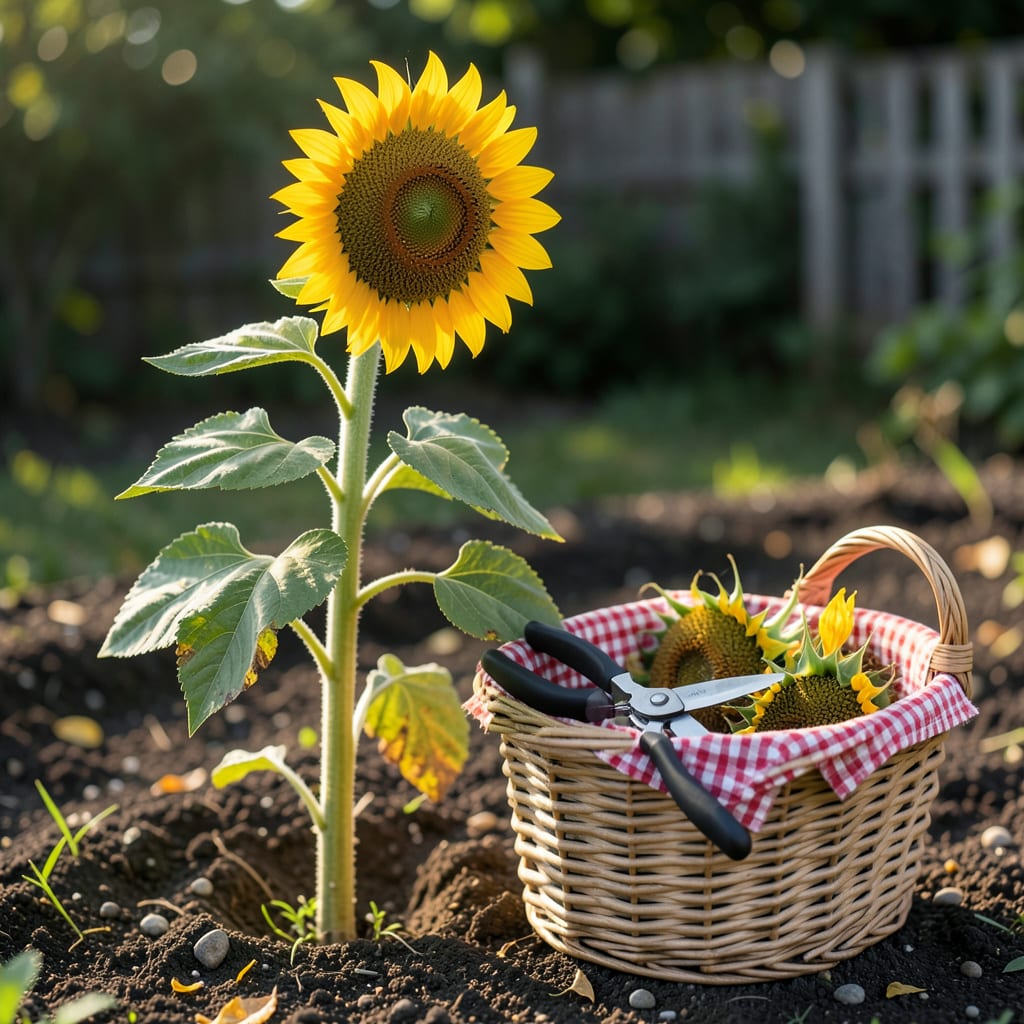
There’s nothing quite like the joy of bringing fresh-cut sunflowers indoors—until they wilt within hours because you picked them too soon. That golden moment between perfect bloom and over-maturity is fleeting, and missing it means sacrificing days of vase life.
I’ve learned the hard way that timing isn’t just about calendar dates—it’s about reading your sunflowers’ subtle signals. From the telltale brown fuzz on their backs to the ideal morning window for cutting, I’ll show you exactly how to harvest at peak perfection. Let’s make every stem count.


Waiting for that perfect moment to harvest your sunflowers can feel like a guessing game. I remember staring at my first patch of giant Mammoths, wondering if those slightly drooping petals meant they were ready or past their prime. The secret lies in three key areas: the back of the flower head, the petal condition, and the stem firmness.
Most gardeners don’t realize that the back of the sunflower head turns from green to brownish-yellow when ready. This color change happens because the plant is shifting energy from blooming to seed production. For cut flowers, you want to catch them just as this transition begins—not when it’s fully brown, which means you’ve waited too long.
| Harvest Sign | What to Look For | Variety Notes |
|---|---|---|
| Back of Head | Turns light brown or yellow | Giant varieties: may stay green longer |
| Petal Condition | Just beginning to dry at edges | Dwarf types: check at 50 days |
| Stem Firmness | Firm but slightly bendable | Pollinator mixes: cut when 70% open |
| Seed Development | Plump and firm when pressed | Seed varieties: wait until fully brown |
💡 Pro Tip: Use the fingernail test—gently scratch a seed. If it resists, it’s ready!
For cut flower arrangements, I harvest when about 70% of the petals are fully open. This sweet spot gives you maximum vase life—usually 5-7 days with proper care. The outer petals might show slight wilting, but the center should still look vibrant. If you’re growing Teddy Bear or other fluffy varieties, wait until the entire bloom feels slightly stiff to the touch.
Timing varies dramatically by variety. My Autumn Beauty sunflowers are typically ready in 60-70 days, while the towering Russian Giants can take up to 90 days. Always check your seed packet for the specific “days to maturity” range. In cooler climates like my Zone 6 garden, I add about 7-10 extra days to the estimated harvest time.
The “fingernail scratch test” is my go-to for seed harvests. Gently press your thumbnail into a developing seed—if it leaves a slight dent but doesn’t puncture, the seeds are perfect for harvesting. For cut flowers, I look for stems that are woody at the base but still flexible higher up. This balance ensures they’ll absorb water well in a vase.
Morning is the absolute best time to cut sunflowers. I head out with my sharp pruners right after the dew dries but before the sun gets too intense—usually between 8-10 AM. The stems are most hydrated then, which translates to longer vase life. If you must cut in the evening, give the plants a deep watering a few hours beforehand.
One mistake I see beginners make is waiting until the petals start dropping. By then, it’s often too late for cut flowers. For seed saving, however, you want to wait until the back is fully brown and the seeds are loose in their sockets. I use a paper bag tied over the head to catch seeds as they dry naturally on the stalk.
If you’re growing sunflowers for both beauty and seeds, here’s my trick: harvest the first blooms as cut flowers, then leave later blooms for seed production. This way, you get the best of both worlds. Just be sure to label which plants you want to save seeds from to avoid accidental early cutting.
Remember that pollinators love sunflowers too! If you’re growing for bees and butterflies, consider leaving some blooms uncut until they fully mature. I always dedicate a few plants in the back of my garden just for my buzzing friends. The birds will appreciate the seeds later in the season as well.
For those saving seeds, proper drying is crucial. I lay the heads on a screen mesh in a well-ventilated area for 2-3 weeks. When the seeds are completely dry (they’ll be hard and the hulls will crack easily), store them in paper envelopes in a cool, dark place until planting season.
🌻Timing your sunflower harvest wrong can turn your cheerful blooms into disappointing droops. I’ve ruined more than a few bouquets by cutting too soon—those heavy heads just flop over within hours. The difference between perfect timing and “almost there” is often just 24-48 hours, but that window makes all the difference.
When you pick sunflowers too early, the stems haven’t fully lignified (turned woody), so they can’t properly absorb water. You’ll notice the heads start to droop dramatically within hours, no matter how much you recut the stems. The petals also tend to shatter more easily when handled, leaving you with a sad, petal-less center.
💡 Perfect Timing: 5-7 days vase life, minimal petal drop, seeds fully developed
For cut flower arrangements, early harvesting means you miss the peak pollen production phase. While less pollen is good for indoor arrangements (no messy yellow dust!), it also means the bloom hasn’t reached its full color intensity. I’ve noticed early-cut sunflowers often have paler yellows and less vibrant centers.
Waiting too long brings its own problems. Overmature sunflowers develop woody stems that are harder to cut cleanly. The petals become brittle and drop at the slightest touch. If you’re saving seeds, late harvesting risks bird theft—those clever creatures watch the heads closely and will swoop in the moment seeds are ready.
For seed harvests, timing errors affect viability. Early-picked seeds often won’t germinate because the embryos aren’t fully developed. Late-picked seeds may already be sprouting in the head or have been damaged by weather. I learned this the hard way when my saved seeds had only a 30% germination rate—turns out I’d harvested a week too early!
The golden window for most varieties is when the back of the head is just starting to turn brown but still has some green, and the outer petals are slightly reflexed (curling backward). For seed saving, wait until the back is fully brown and the seeds are plump and firm—they should resist when you press them with your fingernail. 🌻
Look for three key signs: the back of the flower head turning light brown, outer petals just starting to dry at the edges, and stems that are firm but slightly bendable. The perfect time is when about 70% of petals are fully open.
Early morning between 8-10 AM is ideal, right after dew evaporates. Stems are most hydrated then, which extends vase life. If you must cut later, water plants deeply 2-3 hours beforehand.
Yes, and it’s a common mistake! Seeds need full maturity to germinate. Test by pressing a seed with your fingernail—if it dents easily, wait 3-5 more days. Underdeveloped seeds often won’t sprout.
Recut stems at a 45-degree angle and place in warm water immediately. Change water daily and keep arrangements away from direct sun/heat. This can extend freshness to 7-10 days.
Overmature sunflowers develop woody stems that don’t absorb water well. Petals become brittle and drop easily, creating a mess. For seed saving, you risk bird theft or seeds sprouting prematurely.
