
Beautiful Plants For Your Interior
Beautiful Plants For Your Interior
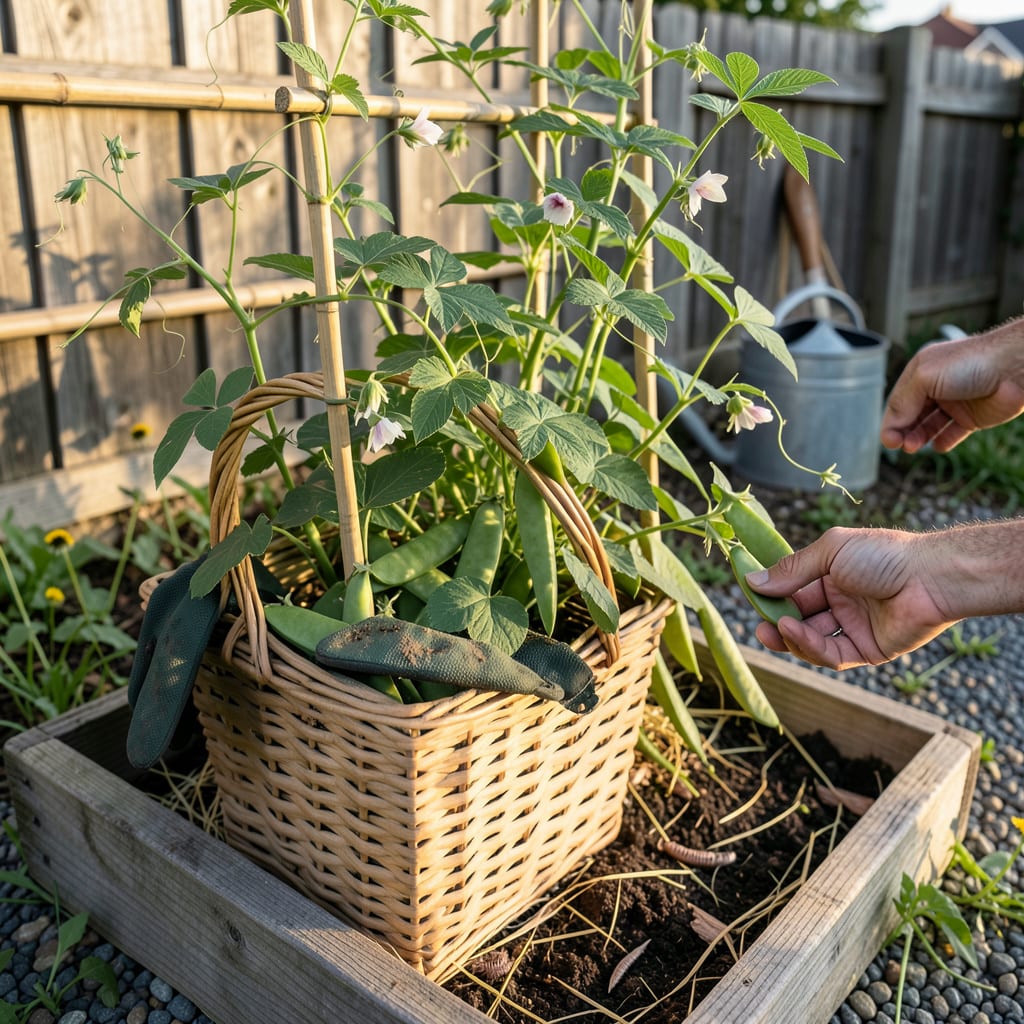
There’s nothing quite like the crisp, sweet crunch of homegrown Sugar Snap Peas—unless you pick them at the wrong time. That perfect balance of tenderness and flavor hangs on a delicate window, and missing it means tough, starchy pods instead of garden-fresh perfection.
I’ve learned the hard way that timing is everything with these spring favorites. Whether you’re a first-time grower or looking to refine your harvest, I’ll show you exactly how to spot that ideal moment—when pods are plump but still snappy, and every bite bursts with sweetness. Let’s get it right together.


Sugar snap peas are at their best when they’re plump but still crisp, with a sweetness that bursts in every bite. The trick is catching them at that perfect moment between underdeveloped and overripe. I’ve found that timing varies slightly by climate, but the visual cues are universal.
Most varieties reach peak harvest readiness about 60 days after planting. But don’t just count days—watch your plants closely. The pods develop quickly, and that ideal harvest window might only last 3-5 days before they start getting tough. That’s why I check my plants daily once they start producing.
| Harvest Sign | What to Look For |
|---|---|
| Pod Size | 3-4 inches long ✅ |
| Pod Color | Bright green, no yellowing 🟡 |
| Pod Texture | Firm but snaps easily 🔔 |
| Seeds Inside | Small, tender, barely visible |
| Stem Attachment | Easily separates from vine |
⚠️ Warning: Pods left too long become tough and fibrous.
The snap test is my favorite way to check readiness. Gently bend a pod—if it snaps cleanly with a crisp sound, it’s perfect. If it bends without breaking, it needs more time. I always test a few pods from different parts of the plant since they don’t all mature at exactly the same rate.
Pay attention to the seeds inside too. When you open a pod, the peas should be just forming—tiny green spheres no bigger than BB pellets. If they’re filling out the pod or turning starchy-white, you’ve waited too long. In warm weather, this transition can happen surprisingly fast, sometimes overnight.
I’ve noticed that morning harvesting gives the best results. The pods are crispest when they’re cool from the night air, and the sugar content is highest. If you pick in the heat of the day, the peas can taste slightly bitter. Use two hands—one to hold the vine, one to gently pull the pod—to avoid damaging the plant.
If you’re growing in cooler climates, your harvest window might stretch a bit longer. The peas develop more slowly in mild temperatures, giving you a few extra days of flexibility. But in hot weather (above 80°F), the pods mature rapidly and can go from perfect to overripe in just 24 hours.
Remember that regular harvesting encourages more production. I pick my sugar snaps every other day during peak season. The more you harvest, the more flowers the plant will produce, extending your overall yield. Just be careful not to pull too hard or you might damage the tender vines.
For the sweetest peas, I recommend harvesting when the pods are still slightly flat rather than waiting for them to fully round out. The sugar content is highest at this stage, and you’ll avoid that mealy texture that develops in overmature peas. Trust me, your taste buds will thank you for picking a little early rather than a little late.
If you do end up with some overripe pods (it happens to all of us!), don’t toss them. Shell the peas inside—they’ll still be edible, though not as sweet. You can use these for stir-fries or freezing. The pods themselves become too fibrous for eating once they pass that perfect snap stage.
Harvesting sugar snap peas properly is just as important as timing. I’ve found that gentle technique makes all the difference between a thriving plant and one that stops producing. The key is to pick regularly while minimizing stress to the vines.
Always use two hands when harvesting: one to hold the vine steady, and one to pull the pod. This prevents tearing the delicate stems. I like to grasp the pod near its base and give it a quick sideways tug—it should come away cleanly if ready.
Pick every 1-2 days during peak season to encourage continuous production. The more you harvest, the more flowers your plant will produce, extending your yield by up to 2 weeks!
Morning harvesting gives the crispiest pods with highest sugar content. Avoid picking in afternoon heat when plants are stressed.
For taller varieties on trellises, I use small pruning shears to snip pods that are hard to reach. This prevents accidentally pulling down the entire vine. Just be careful not to cut into the main stem—leave about ¼ inch of stem attached to the pod.
If you notice yellowing leaves or reduced production, you might be harvesting too aggressively. Try leaving some smaller pods to mature—this signals the plant to keep producing. I also recommend watering deeply after each harvest to help the plant recover.
In my experience, cooler weather means you can be slightly more aggressive with harvesting. The plants bounce back faster in mild temperatures. But in hot weather (above 85°F), I’m extra gentle and might even shade the plants after picking to reduce stress.
Remember that regular harvesting actually benefits the plant. When you remove mature pods, the plant redirects energy to producing new flowers and pods. I’ve had plants continue producing for 3-4 weeks longer just by staying on top of harvesting!
For the healthiest plants, I always rotate my harvest spots. Instead of picking all pods from one area, I take a few from different parts of the plant each time. This balanced approach prevents any single section from becoming over-stressed.
Timing your sugar snap pea harvest isn’t just about flavor—it affects the entire plant’s productivity. I’ve learned through trial and error that picking too soon or waiting too long both have consequences. Let me break down what happens at each extreme so you can avoid these common mistakes.
When you harvest too early, you’re robbing yourself of that perfect sweetness. The pods will be flat and underdeveloped, with barely-formed peas inside. They’ll taste more like grass than garden candy, and you’ll miss out on that satisfying crunch. I’ve found these premature pods often have a slightly bitter edge too.
✅ Ideal Harvest: 3-4″ pods, bright green, snaps crisply
On the other hand, waiting too long to harvest creates a whole different set of problems. The pods become tough and fibrous, with peas that turn starchy instead of sweet. I’ve found these overmature pods can actually develop strings along the seams, making them unpleasant to eat raw.
What many gardeners don’t realize is that leaving overripe pods on the plant sends a signal to stop producing. The plant thinks its job is done and will slow down or cease new flower production. I’ve seen entire rows stop yielding because just a few pods were left too long.
There’s also a textural difference you can’t ignore. Perfectly timed sugar snaps have that signature juicy crunch, while overripe ones become chewy. The seeds inside swell and turn mealy, losing that fresh-from-the-garden quality we all love. In my experience, these older pods work better for cooking than fresh eating.
If you do end up with less-than-perfect pods, don’t despair! Overripe peas can be shelled and used in cooked dishes where texture matters less. And if you catch them just slightly past prime, a quick blanch can help restore some crispness. The key is checking your plants daily once they start producing.
Check your sugar snap peas daily during peak season. The pods mature quickly, especially in warm weather, and that perfect harvest window might only last 3-5 days. I’ve found morning checks work best when pods are crispest.
While morning harvesting is ideal, afternoon picking is fine if needed. Just be extra gentle as plants are more stressed in heat. Avoid harvesting during the hottest hours (12-3 PM) when possible. The pods may be slightly less crisp but still tasty.
Store unwashed pods in a perforated plastic bag in the fridge’s crisper drawer. They’ll keep for 4-5 days. For longer storage, blanch for 2 minutes then freeze. Never wash before storing as moisture speeds up spoilage.
Sugar snap peas don’t all mature at once—even on the same plant! Lower pods typically ripen first. Check different areas of the plant daily. The snap test helps determine readiness regardless of appearance.
No, regular harvesting actually encourages production. Just don’t remove more than 1/3 of the pods at once. Use two hands to avoid tearing vines. Plants often produce for 2-3 weeks longer with proper harvesting techniques.
