
Beautiful Plants For Your Interior
Beautiful Plants For Your Interior
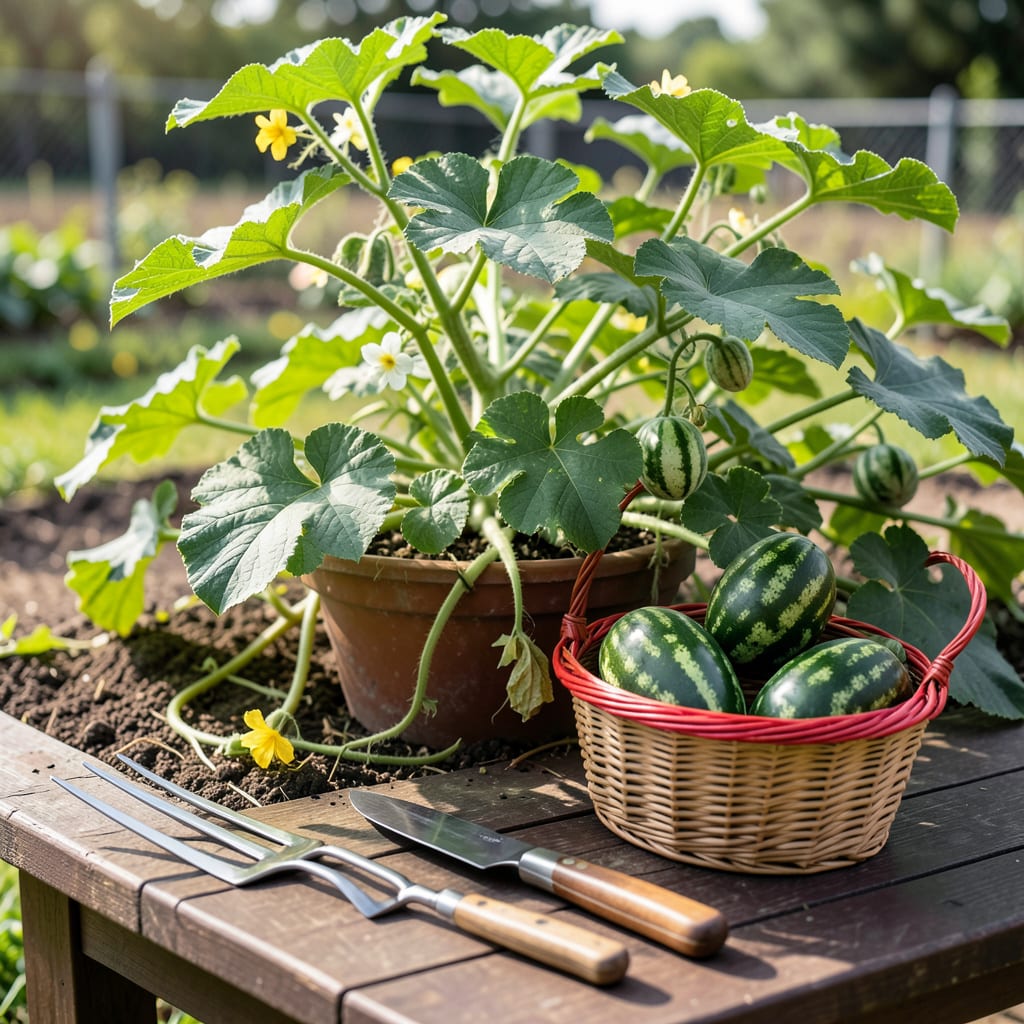
Imagine slicing into a sweet Sugar Baby Watermelon 🍉 as I pull it from the vine, and juice bursts everywhere. I’ll show you why timing matters and learn how to spot the perfect moment.
I watch the rind turn matte and the thump go hollow—my trusted cues. You’ll discover these simple signs and harvest at peak sweetness faster.
Imagine slicing a bright sweet Sugar Baby watermelon 🍉 right off the vine, and feeling that burst of sweetness. I’ve learned that timing the garden harvest makes the difference between a bland bite and a juicy celebration. Let’s explore how to catch that perfect moment.
In my garden, I watch the vines and listen for subtle clues. The fruit’s skin, the drying tendril check, and the hollow thump all signal visual cues of readiness. Missing any cue can leave you with a watery, under‑sweet melon.
The first visual cue is the rind hue. When the glossy green fades to a dull, creamy yellow shade, the watermelon is nearing peak sugar. I tap it lightly; a deep hollow echo confirms it’s almost ready.
Next, check the brown tendril attached to the fruit. A papery tendril that snaps off with a gentle tug means the melon has stopped drawing nutrients and is sweetening. Green tendril indicates it’s still maturing.
Feel the skin with your thumbnail. If the rind resists a light press and feels firm rind, the watermelon is ripe. A soft, dentable surface is an over‑ripe warning that may turn mushy after picking.
A sweet aroma is another reliable indicator. As the fruit matures, it releases a fragrant, honey scent near the stem. I often walk around the row and inhale; if the strong perfume is evident, the melons are ready.
Sound testing is a classic farmer trick. Hold the watermelon near your ear and give it a firm tap. A deep hollow thump (like a drum) means the interior is full of sugary juice. A dull thud signals under‑development.
If you want a scientific edge, use a refractometer to measure Brix level. Aim for 10‑12 % sugar content for optimal sweetness. I keep a handheld device handy during the final week of harvest.
Timing also depends on weather impact. Hot days accelerate sugar accumulation, so you may harvest a few days earlier. Cool evenings can slow
I love the moment I pull a ripe sweet Sugar Baby watermelon 🍉 from the vine, because the burst of sweet juice tells me I timed the garden harvest right. In this guide I’ll share the exact cues that signal peak ripeness so you can enjoy every bite. 🍉
First, watch the fruit’s skin as it matures. The glossy green rind gradually turns a creamy yellow, and the surface loses its shine. This color shift is my first visual clue that the melon is approaching its sugar peak.
Next, examine the tendril dryness. When it becomes a brown papery tendril that snaps off easily, the plant has stopped feeding the melon, indicating sugar buildup. A green tendril means the fruit is still maturing. ✅
A quick tap near the blossom end reveals the interior texture. A deep drum‑like sound tells me the flesh is full of sugary juice, while a dull thud signals under‑development. I always listen carefully before cutting. 🎶
Press the rind gently with a thumbnail. If the skin resists and feels rind firmness, the watermelon is ripe; a soft, dentable spot is an over‑ripe warning. This tactile test helps me avoid melons that will turn mushy after harvest.
Sniff the base of the fruit. A sweet aroma, especially a honey‑like scent, intensifies as sugars accumulate. When the perfume is noticeable, I know the melon is ready. If it still smells grassy, give it a few more days on the vine.
For a scientific edge, I use a handheld refractometer to measure Brix level. Aim for 10‑12 % sugar content for optimal flavor. If the reading is lower, wait; if higher, harvest promptly before the sugars convert to starch.
Finally, consider the weather impact. Hot sunny days speed up sugar formation, so I may harvest a few days earlier, whereas cool evenings slow the process, extending the window. Timing your pick with these factors ensures the sweetest possible Sugar Baby each season. 🌞
I love the moment I pull a ripe sweet Sugar Baby watermelon 🍉 from the vine, because the burst of juice tells me I’ve timed the garden harvest perfectly. In this guide I share the exact cues that signal peak ripeness so you can enjoy every bite. ✅
I start by examining the fruit’s skin. When the glossy green rind fades to a creamy yellow, I know the sugar is building. A brown, papery tendril that snaps off signals the plant has stopped feeding the melon. Finally, a deep hollow thump confirms the interior is juicy. 🌞
I press the rind gently with my thumbnail. If the surface resists and feels firm rind, the watermelon is ready; a soft spot indicates it may become over‑ripe after picking. This tactile test helps avoid melons that turn mushy once stored.
I bring the fruit close and inhale near the stem. A sweet perfume, especially a honey‑like scent, signals high sugar levels. A grassy odor means the melon needs more days on the vine. Trusting this nose cue often saves a disappointing harvest.
For a scientific edge I use a handheld refractometer to check Brix. Aim for 10‑12 % sugar; lower readings mean wait a few days, higher readings suggest harvest now before sugars turn to starch. This quick test guarantees consistent sweetness.
I also watch the weather. Hot sunny days accelerate sugar accumulation, so I may pick a few days earlier; cool evenings slow the process, extending the window. By syncing harvest with these patterns I capture the sweetest Sugar Baby each season.
Look for a dull, creamy‑yellow rind, a papery brown tendril, and a deep hollow thump when you tap the fruit. The skin should resist a thumbnail press and emit a faint honey scent. These cues mean peak sweetness.
When the tendril attached to the fruit turns brown, papery, and snaps off easily, the plant has stopped feeding sugars to the melon, indicating it’s nearing full sugar accumulation. A green, flexible tendril means more days on the vine.
Harvesting in the early morning, before the sun’s heat softens the rind, helps lock in sugars and reduces water loss. Aim for a cool, dry day; avoid midday picking when the fruit can warm up quickly.
Place the underripe fruit in a warm, sunny spot for a few days; the sugars will continue to develop. Check daily for the hollow thump and rind color change, and harvest once those signs appear.
