
Beautiful Plants For Your Interior
Beautiful Plants For Your Interior
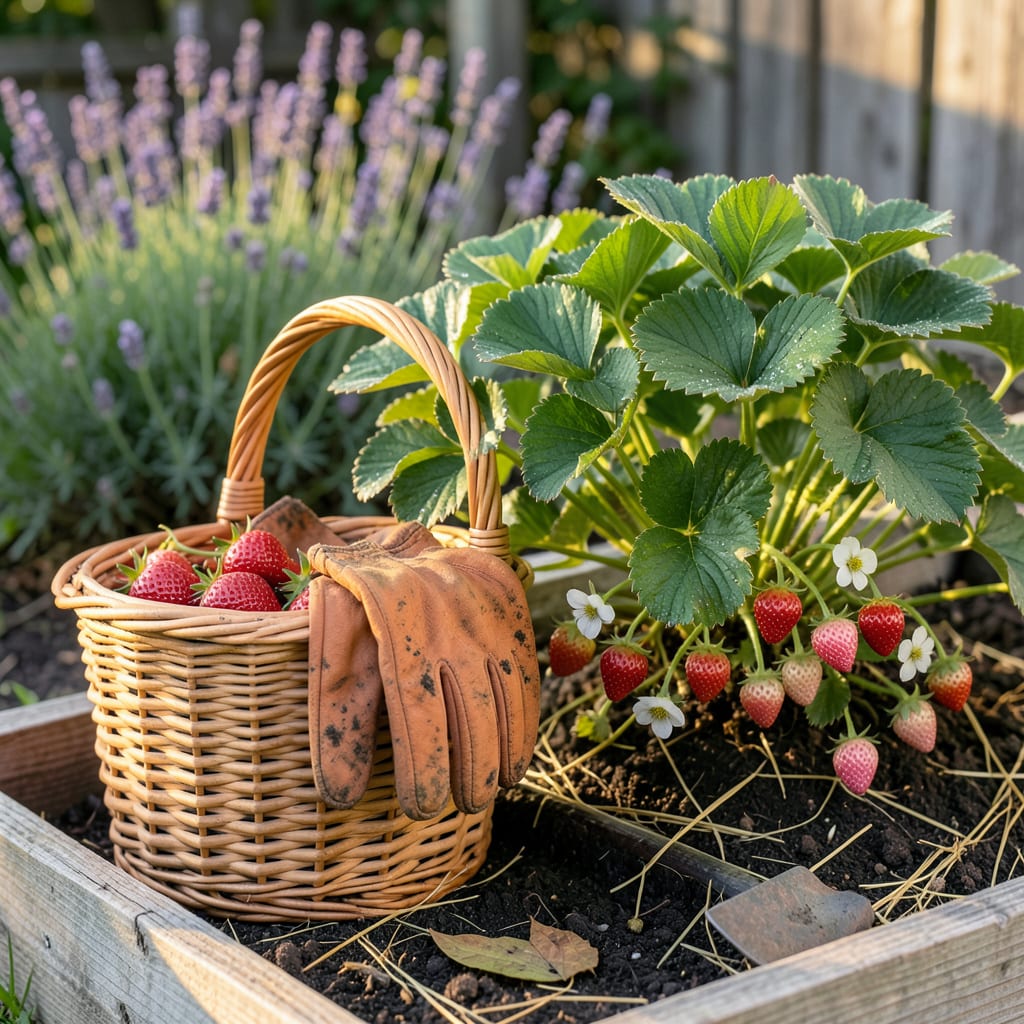
There’s nothing quite like the taste of a perfectly ripe strawberry—juicy, sweet, and bursting with flavor. But pick it too soon or too late, and you’ll miss out on that magic. Timing is everything when it comes to harvesting these ruby-red gems.
I’ve learned the hard way that waiting for the right moment makes all the difference. Whether you’re a first-time grower or a seasoned gardener, I’ll show you exactly how to spot peak ripeness and lock in that farm-fresh taste every time. Let’s get started.


Timing isn’t just about ripeness—it’s also about when you pick during the day and season. I’ve found that strawberries harvested in the early morning taste sweeter because they’ve had all night to absorb moisture and sugars. Wait too late, and the heat of midday can soften them prematurely.
Seasonally, most strawberries ripen in late spring to early summer, but your exact window depends on your USDA zone and variety. For example, June-bearing strawberries produce one big harvest over 2-3 weeks, while everbearing types give smaller yields from spring to fall. Know your plant’s habits!
💡 Pro Tip: Use a thermometer—harvest when temps are below 75°F for best texture.
If you’re in a hotter climate (Zones 8-10), your strawberries may ripen earlier—sometimes as early as April. Conversely, cooler zones (3-5) might not see ripe berries until late June or July. Always watch the plant cues, not just the calendar.
For day-neutral strawberries, like ‘Albion’ or ‘Seascape’, you’ll get small but steady harvests from summer through fall. These are perfect if you want fresh berries for months! Just remember: consistent watering is key to prevent stress and bitter flavors.
Ever noticed how store-bought strawberries lack that intense sweetness? That’s because commercial growers often pick them underripe for shipping. In your garden, you can wait for full ripeness—when the berry is deep red to the tip and smells fragrant. That’s the magic moment!
Finally, don’t forget the “tug test”: A ripe strawberry should come off the plant with a gentle twist. If you’re yanking hard, it’s not ready. And always leave the green cap on to extend freshness—remove it just before eating! 🌱
Once you’ve plucked those perfectly ripe strawberries from your garden, the clock starts ticking. How you handle them in the first 30 minutes determines whether they stay fresh for days or turn mushy overnight. I’ve learned the hard way that even the juiciest berries can spoil quickly if not treated right.
First, resist the urge to wash them immediately. Moisture is the enemy—it accelerates mold growth and softens the fruit. Instead, gently brush off any dirt or debris with a soft cloth or your fingers. If you must wash them, do it just before eating, not before storing.
For storage, line a shallow container with paper towels to absorb excess moisture, then arrange the berries in a single layer. Use a container with ventilation holes or leave the lid slightly ajar in the fridge. This setup keeps them fresh for 5–7 days, compared to just 2–3 days in a sealed bag.
If you’re not eating them right away, consider freezing for long-term storage. Hull the berries first, then spread them on a tray to freeze individually before transferring to a bag. This prevents them from sticking together. For extra flavor preservation, I like to toss them in a bit of lemon juice before freezing.
Finally, check your stash daily and remove any berries showing signs of spoilage. One moldy strawberry can quickly ruin the whole batch. With these steps, you’ll enjoy your harvest’s sweetness long after picking day. 🌱
Check your strawberry plants every 2-3 days during peak season. Berries ripen quickly, especially in warm weather, and daily checks prevent overripening. Morning is the best time to inspect, as cool temperatures slow ripening overnight.
Small, unripe berries often result from overcrowding or poor pollination. Thin plants to allow airflow and sunlight, or hand-pollinate flowers with a soft brush. Nutrient deficiencies (like low potassium) can also cause stunted growth.
Avoid harvesting immediately after rain—wet berries spoil faster and are prone to mold. Wait until plants dry completely, usually 6-12 hours post-rain. If rain is forecast, pick ripe berries beforehand to prevent splitting.
Use your thumb and forefinger to pinch the stem just above the berry, then twist gently. Never pull—this can uproot shallow strawberry plants. Leave ½ inch of stem attached to avoid bruising the fruit.
