
Beautiful Plants For Your Interior
Beautiful Plants For Your Interior
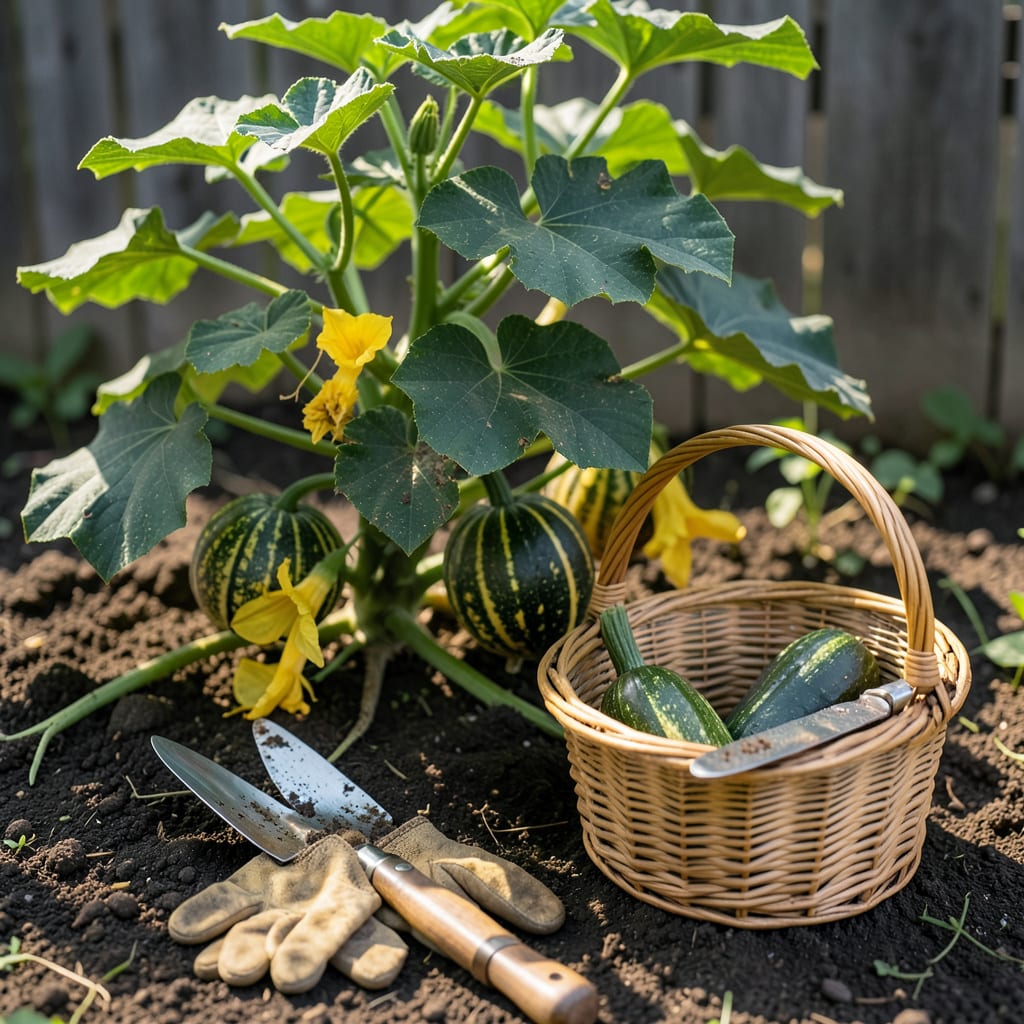
Nothing beats the satisfaction of plucking a perfectly ripe squash from your vine, but timing can be tricky. Each variety sends unique signals when it’s ready—whether it’s summer squash like zucchini or winter squash like butternut. I’ll walk you through the visual and tactile cues to watch for.
For summer squash (zucchini, yellow crookneck), focus on size and skin texture. Most are ready when they’re 6-8 inches long with glossy, tender skin. Winter varieties like acorn or butternut need more patience—their rinds harden and colors deepen as they mature.
| Variety | Harvest Time | Key Signs |
|---|---|---|
| Zucchini | 45-55 days | 6-8″ long, glossy skin |
| Yellow Squash | 50-60 days | Bright color, tender rind |
| Butternut | 85-100 days | Hard tan rind, dry stem |
| Acorn | 75-85 days | Deep green, no soft spots |
The stem connection tells you a lot. For summer squash, the stem should snap cleanly when bent. Winter squash stems become corky and dry when ready. I always check the color uniformity—pale patches mean it needs more time.
Don’t forget the fingernail test! Gently press your nail into the skin. If it leaves a mark on summer squash, it’s ready. For winter squash, the skin should resist puncturing—this indicates full maturity and better storage potential.
Size benchmarks vary dramatically. A spaghetti squash should be 8-10 inches long and feel heavy for its size. Meanwhile, delicata squash is best at 3-4 inches in diameter with a creamy, striped exterior.
I always recommend morning harvesting when plants are hydrated. Use clean pruners or a sharp knife to avoid tearing the vine. Leave about 1 inch of stem attached to prevent rot during storage. This small step makes a big difference!
Watch for overripe signs: dull skin, soft spots, or seeds that look mature when you cut into a test specimen. These indicate the squash has passed its peak flavor window. Underripe squash feels overly firm and lacks sweetness.
For continuous harvests, check plants every 2-3 days during peak season. Summer squash grows astonishingly fast—what looks small today might be overgrown tomorrow! Winter squash needs patience but rewards you with longer storage life.
Remember that weather affects timing. Hot summers may speed up growth, while cool spells slow it down. I keep a garden journal to track harvest dates each year—it helps predict the best picking windows for my climate.
When in doubt, harvest a test squash and slice it open. The seeds should be small and soft for summer varieties, or fully developed for winter types. This hands-on check removes all guesswork! 🌱
Timing your squash harvest is like finding the sweet spot between underdeveloped and overgrown. Pick too soon, and you’ll end up with pale, flavorless fruit that lacks sweetness and texture. Wait too long, and you risk tough, fibrous flesh filled with oversized seeds. 🪴
Underripe squash often feels firm to the touch with a dull, pale color and a stem that won’t easily separate. It lacks the sweet aroma and tender skin of a perfectly ripe specimen. These immature squash won’t store well and often taste bitter or bland. ✂️
Overripe squash, on the other hand, develops a thick, tough rind that’s difficult to pierce. The flesh becomes stringy and mealy, and the seeds grow large and hard. These squash may still be edible but require peeling and longer cooking to soften. ☀️
For summer squash like zucchini, overripeness means spongy centers and seeds that dominate the flesh. Winter varieties like butternut become starchy and dry when left too long on the vine. Both types lose their optimal flavor and nutritional value past their prime. 🌱
If you accidentally harvest early, try ripening indoors at room temperature for a few days. For overripe squash, remove the seeds and use the flesh in purées or baked dishes where texture is less noticeable. Regular checking—every 1-2 days during peak season—prevents most timing issues. 💧
The key is daily monitoring once squash begins forming. I check my plants in the early morning when dew makes the fruit colors most visible. When in doubt, harvest a test squash and taste-test for sweetness—your palate won’t lie! 🌿
Harvesting squash the right way keeps your plants healthy and productive. I always use sharp pruners or a clean knife to make clean cuts—never yank or twist, which can damage vines. For summer squash like zucchini, check plants every 2-3 days during peak season.
Gently lift leaves to spot hidden squash—those sneaky ones love to hide! When cutting, leave about 1 inch of stem attached to the fruit. This prevents rot and helps the squash store longer. Avoid stepping on vines, as broken stems can stunt future growth.
After harvesting, give plants a light watering to reduce stress. For winter squash like butternut, let the stem dry naturally before storing. I’ve found that regular harvesting encourages more production—so don’t let those beauties linger too long!
If you spot moldy or soft squash, remove it immediately to protect the rest. Store harvested squash in a cool, dry place—summer types last about a week, while winter varieties can keep for months if cured properly.
Finally, keep an eye out for new blooms—they’re a sign your plant is still producing. With these tips, you’ll enjoy a bountiful harvest without harming your plants. Happy picking! 🪴
For summer varieties like zucchini, check every 1-2 days once fruit starts forming. Winter squash can be monitored weekly. The rapid growth means missing just a few days can turn tender squash into oversized, seedy monsters.
Harvest in the early morning when plants are well-hydrated and temperatures are cool. This reduces stress on the plant and helps squash retain moisture. Avoid midday heat which can cause wilting and make stems brittle.
Yes! Many gardeners intentionally harvest baby squash (4-6 inches) for tender, flavorful results. This is especially popular with zucchini. Just don’t let them grow too small—under 4 inches may lack developed flavor.
Ground contact creates moisture pockets that lead to rot. Use mulch or straw under developing squash, or gently prop them up with small supports. Harvest promptly when ripe to prevent this common issue.
The stem should be completely dry and brown, and the skin hard enough to resist fingernail pressure. Curing takes 10-14 days in warm, dry conditions before long-term storage.
