
Beautiful Plants For Your Interior
Beautiful Plants For Your Interior
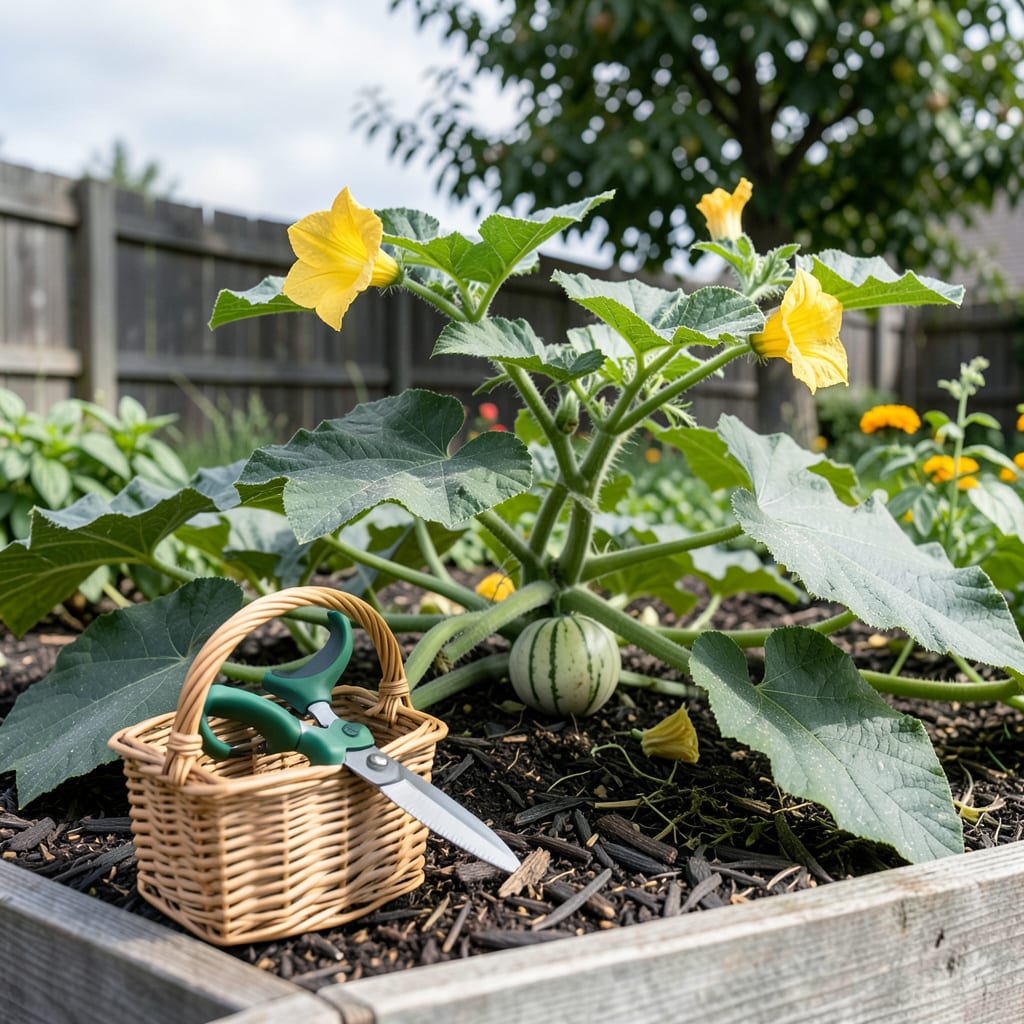
There’s a perfect moment to pluck those golden squash blossoms—miss it, and you’ll sacrifice both flavor and your plant’s future harvest. I’ve learned the hard way that timing isn’t just about the clock; it’s about reading your plant’s subtle signals.
Whether you’re dreaming of stuffed blossoms or just want to encourage more fruit production, knowing exactly when to harvest makes all the difference. Let me walk you through the visual cues and seasonal secrets that’ll help you pick like a pro—without harming your thriving squash plants.


Timing your squash blossom harvest is all about catching that golden window when the flowers are at their peak—open wide but not yet wilting. I’ve found that early morning is ideal, as the blossoms are crisp and full of nectar after the cool night air.
The secret lies in the petal firmness and pollen maturity. A perfectly ready blossom will feel slightly velvety to the touch, with petals that hold their shape when gently pressed. If they’re drooping or feel papery, you’ve waited too long.
Here’s my pro tip: Focus on male flowers first—they appear earlier and don’t turn into squash. You’ll recognize them by their long slender stems compared to female flowers that have tiny squash bulbs at their base.
Seasonal shifts matter too. In hotter climates, blossoms may open and wilt within hours, so I check my plants daily. Cooler weather gives you a slightly longer window, but still aim for morning harvests when the flowers are most vibrant.
Watch your plant’s overall health too. If you notice fewer new blossoms appearing, you might be over-harvesting. I limit myself to 2-3 flowers per plant every few days to maintain a steady supply without stressing the squash.
The stem connection tells a story too. A blossom ready for picking will have a stem that snaps cleanly when bent gently. If it bends without breaking, give it another day to mature.
Remember that zucchini and summer squash varieties often produce more blossoms than winter squash, so you can be slightly more generous with your harvests from these plants.
Finally, trust your instincts. After harvesting a few blossoms, you’ll start recognizing that perfect moment when the flower is at its peak beauty and flavor—just before nature starts to reclaim it.
Harvesting squash blossoms properly ensures your plant keeps producing all season. I always start with the right tools—sharp scissors or pruners work best to make clean cuts without crushing the delicate stems.
The key is cutting 1-2 inches below the flower base. This length gives you enough stem to handle the blossom without damaging it, while leaving the plant healthy enough to produce more flowers.
Here’s my secret for continuous production: After harvesting, I give my plants a light fish emulsion spray to encourage new blossoms. This gentle fertilizer boost helps replace nutrients lost during flowering.
Watch your plant’s response after harvesting. If you notice fewer new blossoms appearing within 3-4 days, you’ve taken too many. I recommend starting with just 2-3 flowers per plant every other day to gauge your plant’s tolerance.
The stem’s condition after cutting reveals a lot. A healthy cut stem should look clean and white inside. If you see brown or mushy tissue, your plant may need better drainage or less frequent watering.
For zucchini and summer squash, you can be slightly more aggressive with harvesting since they produce abundant blossoms. Winter squash varieties need more restraint—limit to 1-2 flowers per week per plant.
After harvesting, place blossoms in a shallow water bath immediately to maintain freshness. They’ll keep for 2-3 days in the fridge, though I find they’re best used within 24 hours for maximum flavor and texture. ✂️
Once you’ve mastered harvesting squash blossoms, the real fun begins! These delicate flowers are incredibly versatile in the garden-to-table journey. I love experimenting with different ways to showcase their unique flavor and vibrant color while keeping waste to a minimum.
The key is using them quickly—blossoms are most flavorful within 24 hours of picking. Their mild, slightly sweet taste pairs beautifully with both simple and elaborate preparations. Here are my favorite ways to make the most of your harvest.
For stuffed blossoms, I gently open the petals and remove the stamen before filling. This prevents any bitter flavors while making room for delicious fillings. Try combinations like feta with mint or spiced cream cheese with chives.
When frying blossoms, the secret is using ice-cold beer batter. The temperature contrast creates an extra-crispy coating that perfectly complements the delicate petals. Always pat the blossoms dry first to help the batter adhere better.
For long-term storage, freezing works surprisingly well. I layer clean, dry blossoms between parchment paper in airtight containers. They’ll keep for up to 3 months, though I find their texture is best when used within 4-6 weeks.
Remember that male blossoms (the ones without baby squash) are ideal for culinary use. Their stems are tender enough to eat, unlike female blossoms which have tougher stems where they connect to developing fruit. ✂️
Early morning (6-9 AM) is ideal when blossoms are fully open but still crisp from cooler night temperatures. This timing preserves their delicate texture and maximizes freshness for culinary use.
Male blossoms have long slender stems with no baby squash at the base. Female flowers feature a small squash bulb where the stem meets the flower. Always harvest males first to preserve fruit production.
Only if you over-harvest. Limit to 2-3 flowers per plant every few days, focusing on males. This maintains fruit production while giving you plenty for cooking. Leave at least 1 female flower per plant.
Place in a shallow water bath immediately after harvesting. They’ll keep 2-3 days refrigerated, but are best used within 24 hours for peak flavor and texture. Store in airtight containers.
Yes, but zucchini and summer squash produce more blossoms than winter varieties. You can harvest more frequently from these prolific producers while being more conservative with pumpkins or butternut squash.
