
Beautiful Plants For Your Interior
Beautiful Plants For Your Interior
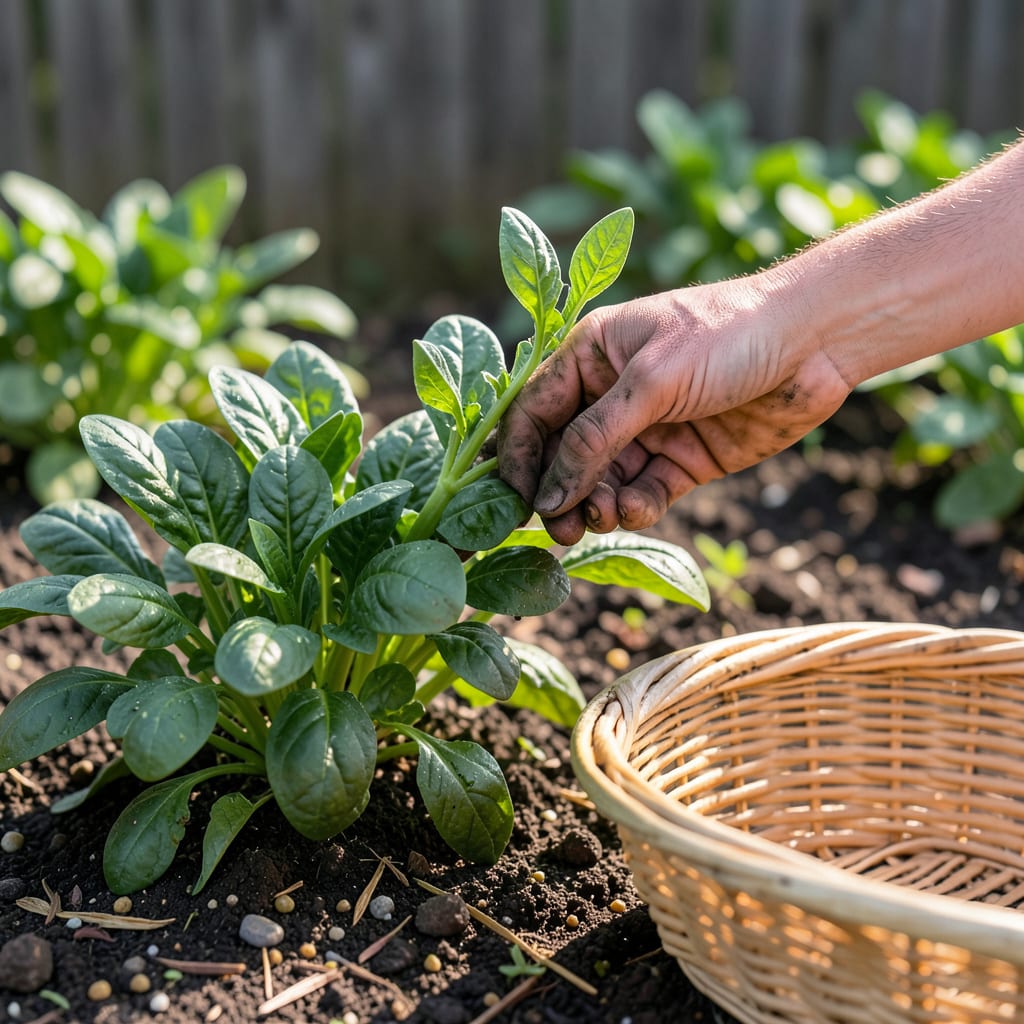
There’s nothing quite like the satisfaction of growing your own 🥬 spinach—until you realize that picking it too early or too late can turn those tender leaves into tough, bitter disappointments. I’ve been there, staring at my garden wondering if today’s the day or if I should wait just a little longer.
The good news? Timing your harvest doesn’t have to be a guessing game. With a few simple clues—like leaf size and plant behavior—you can lock in that perfect flavor and keep your spinach producing all season. Let me show you exactly what to look for and when to make your move.


Timing your spinach harvest perfectly ensures sweet, tender leaves instead of tough, bitter ones. I’ve learned that waiting for the right moment—when leaves reach 3-6 inches long—makes all the difference. Picking too early means tiny leaves, while waiting too long risks bolting (flowering), which turns leaves bitter.
Seasonal shifts also play a role. In spring plantings, spinach matures faster due to warming soil, while fall crops grow slower as temperatures drop. I always check my plants every 2-3 days once they near maturity—growth can surprise you overnight! 🌱
| Indicator | Ready to Harvest | Needs More Time |
|---|---|---|
| Leaf Size | 3-6 inches ✅ | Under 2 inches ❄️ |
| Leaf Color | Deep green ✅ | Pale or yellowish 🟢 |
| Texture | Firm, crisp ✅ | Soft or limp 💧 |
| Bolting Signs | No flower stalks ✅ | Stalk forming ⚠️ |
For baby spinach, I harvest when leaves are just 2-3 inches—perfect for salads. Mature leaves, ideal for cooking, should feel slightly thick but still tender. If leaves start curling or developing a leathery texture, your window is closing fast!
Watch the stem’s center: if it begins elongating or turning woody, the plant is bolting. This often happens in hot weather (above 75°F). In my garden, I’ve found that morning harvests yield the crispest leaves, as plants are most hydrated after cool nights.
Regional climates shift timelines too. In USDA Zone 6, spring spinach is typically ready by late May, while fall plantings mature in October-November. Cooler zones may add 7-10 days to maturity. Always note your first sowing date—most varieties mature in 45-60 days.
If you’re growing Savoy spinach (with crinkled leaves), wait until the leaves fully unfurl. Flat-leaf varieties like ‘Space’ are ready sooner. I use the “snip test”: gently pinch a leaf—if it detaches easily, the plant is ready. If it resists, give it 2-3 more days.
Pro tip: Harvest outer leaves first to extend production. This cut-and-come-again method lets the center keep growing. Avoid removing more than 1/3 of the plant at once, or you’ll stress it. I’ve gotten 3-4 harvests from a single plant using this technique!
If your spinach bolts before harvest, don’t despair! Next time, try shade cloth in warm months or opt for bolt-resistant varieties like ‘Tyee’. In my experience, succession planting every 2 weeks ensures a steady supply without gaps. 🌿
Finally, taste-test a leaf! If it’s mild and slightly sweet, you’ve nailed it. Bitterness means you’ve waited too long. Store harvested leaves in a perforated bag in the fridge—they’ll keep for 5-7 days if dry and unwashed until use.
Timing isn’t the only secret to a great spinach harvest—how you pick determines whether your plants keep producing. I’ve learned the hard way that yanking leaves can damage the crown, while gentle techniques encourage regrowth for 3-4 more harvests. The right tools and method make all the difference.
Forget the kitchen shears! I recommend using sharp garden scissors or clean pruning snips to make clean cuts. Always harvest in the cool morning hours when leaves are most crisp and hydrated. This reduces wilting and preserves flavor. Now let’s break down the exact steps to maximize your yield.
✂️ Pro Tip: Always sanitize tools with rubbing alcohol between plants to prevent disease spread.
One mistake I see beginners make is pulling leaves upward, which can uproot the entire plant. Instead, support the leaf base with one hand while cutting. For baby spinach, you can harvest entire plants by cutting just above the soil line—these won’t regrow but are perfect for single harvests.
If you’re growing Savoy spinach with its crinkled leaves, be extra gentle—the textured leaves trap more dirt and moisture. I like to harvest these varieties after a dry morning to minimize cleaning. For flat-leaf types like ‘Space’, you can be slightly more aggressive with cutting since they regrow faster.
Want to extend your harvest window? Try the “cut-and-come-again” method: Harvest only the outer leaves weekly, and your plants may produce for 4-6 weeks before bolting. I’ve had success with this approach in both spring and fall crops, though summer heat makes it trickier.
Remember that overwatering after harvest can be just as harmful as underwatering. Stick to your normal watering schedule unless temperatures spike above 80°F. And if you notice flower stalks forming, harvest immediately—once spinach bolts, the leaves turn bitter within days.
After harvesting, I like to give my spinach beds a light fish emulsion fertilizer (1 tbsp per gallon of water) to replenish nutrients. This simple step has helped me get 20% more yield from second and third harvests compared to unfertilized plants.
Not all spinach varieties mature at the same pace, and knowing the differences can help you plan for a continuous harvest throughout the season. I’ve grown everything from quick-maturing baby spinach to hearty Savoy types, and each has its own ideal harvest window. Let’s break down the key varieties so you can time your plantings perfectly.
For example, flat-leaf spinach like ‘Space’ is ready in as little as 35-40 days, while crinkled Savoy varieties often need 45-50 days to reach peak flavor. If you’re aiming for a steady supply, stagger your plantings every 2 weeks—this way, you’ll always have fresh leaves ready to pick! 🌱
| Variety | Days to Maturity | Best Harvest Size | Seasonal Notes |
|---|---|---|---|
| Baby Leaf | 25-30 days | 2-3 inches | Ideal for salads; harvest entire plant |
| Flat-Leaf (e.g., ‘Space’) | 35-40 days | 4-6 inches | Fast-growing; great for succession planting |
| Semi-Savoy (e.g., ‘Tyee’) | 40-45 days | 5-7 inches | Bolt-resistant; good for warm climates |
| Savoy (e.g., ‘Bloomsdale’) | 45-50 days | 6-8 inches | Crinkled leaves; best for cooking |
If you’re in a warmer climate (USDA Zones 7-9), opt for bolt-resistant varieties like ‘Tyee’ or ‘Corvair’. These can handle heat better and give you a longer harvest window before bolting. In cooler zones (3-5), faster-maturing types like ‘Giant Winter’ thrive in the short growing season and can even overwinter with protection.
For fall plantings, I recommend sowing seeds in late August so plants mature in the cooler October-November window. Spinach grows slower in fall, so add 7-10 extra days to the maturity estimates. A light frost actually sweetens the leaves, so don’t rush to harvest after the first chill!
To maximize your yield, pair quick varieties with slow growers. For instance, plant ‘Baby’s Leaf Hybrid’ (30 days) alongside ‘Bloomsdale Long Standing’ (50 days). This way, you’ll have early salads while waiting for heartier cooking greens. I’ve used this combo to stretch my spinach season by 3-4 weeks in both spring and fall.
Remember, succession planting is your best friend! Sow a new batch every 2-3 weeks until temperatures exceed 75°F. This ensures you’re always harvesting at the peak of tenderness—no more sad, overgrown spinach in your garden! 🌿
Look for leaves that are 3-6 inches long with a deep green color. They should feel firm and snap easily when gently pulled. If leaves are still small or pale, give them 2-3 more days to mature.
Use the cut-and-come-again method by snipping only the outer leaves. This encourages regrowth for 3-4 additional harvests. Just avoid removing more than 1/3 of the plant at once.
Overmature spinach becomes tough and bitter, especially if the plant starts bolting (flowering). Once you see a central stalk forming, harvest immediately—leaves turn bitter within days.
Morning harvests yield the crispest leaves since plants are most hydrated after cool nights. Evening picking works too, but avoid midday when leaves may wilt. I always aim for before 10 AM for best results.
Spring spinach matures faster due to warming soil (45-50 days), while fall crops grow slower (50-60 days). A light frost actually sweetens fall leaves! Adjust your expectations based on the season.
