
Beautiful Plants For Your Interior
Beautiful Plants For Your Interior
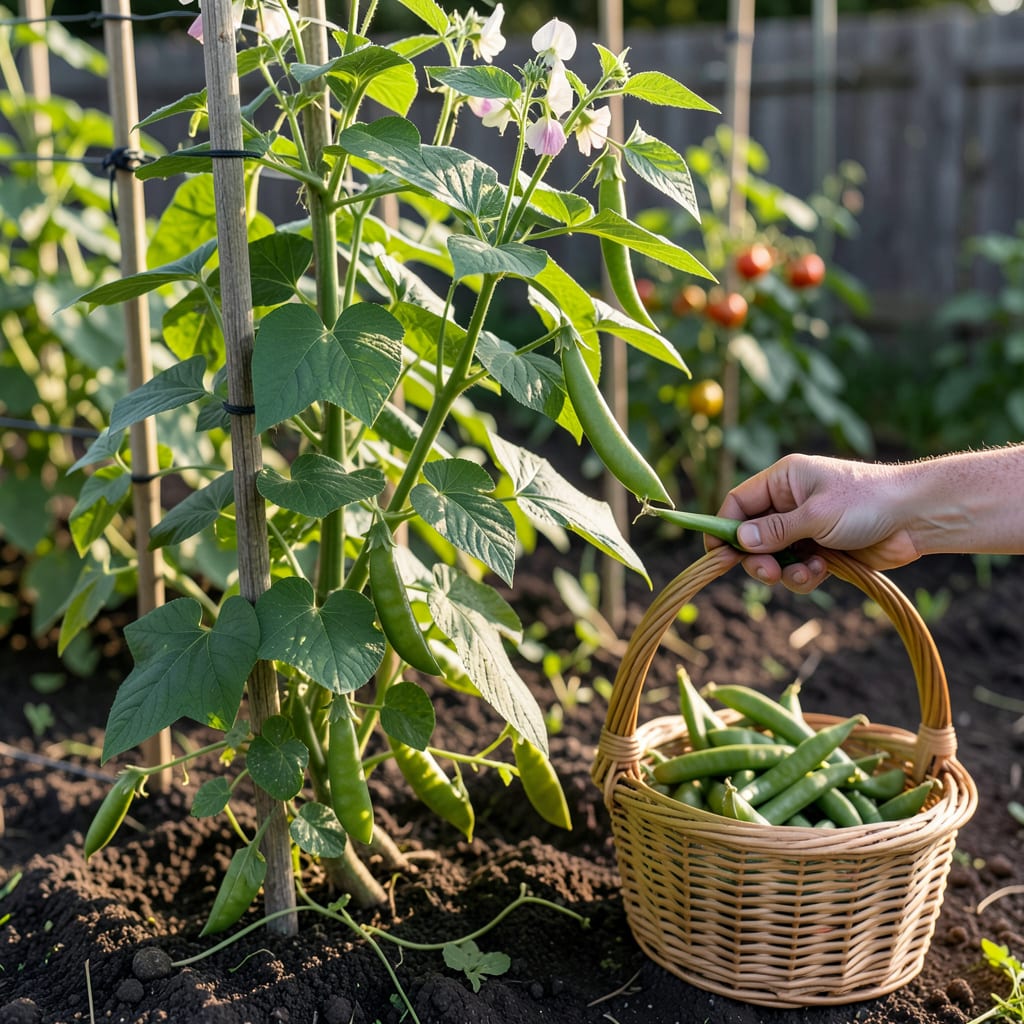
There’s nothing quite like the crisp, sweet crunch of a freshly picked snap pea—unless you’ve waited too long and ended up with a tough, starchy disappointment. That perfect moment between underripe and overgrown is shorter than you think, and missing it means sacrificing flavor and texture.
I’ve learned the hard way that timing is everything with these garden gems. After testing different varieties and harvest windows, I’ll show you the exact visual cues to watch for—no guesswork required. Whether you’re growing in Zone 6 or experimenting with early varieties, you’ll know precisely when to pluck those pods for peak sweetness.


Timing your snap pea harvest is like catching a wave—miss it by a day, and you’ll either get a tiny, flavorless pod or a bulging, fibrous disappointment. After years of testing, I’ve found that visual cues matter more than calendar dates. The perfect pod feels like a firm pencil and snaps cleanly with a satisfying crack.
Most gardeners don’t realize that sugar content peaks just before the peas inside fully plump up. That’s why I always check my plants every 24-48 hours during peak season. The difference between “almost ready” and “past prime” can be as little as 3 days in warm weather.
| Harvest Sign | What to Look For | Zone 6 Timeline |
|---|---|---|
| Pod Size | 2-3 inches long, pencil-thick | 60-75 days after planting |
| Color | Bright green (not pale or yellowing) | Deepens 1 week before peak |
| Texture | Firm with slight give when squeezed | Test daily after 50 days |
| Snap Test | Breaks cleanly with audible crack | Best in morning when crisp |
| Pea Visibility | Bumps visible but not protruding | Harvest before this stage |
The “snap test” is my non-negotiable rule: if it doesn’t break with a sharp crack, it’s either not ready or already past prime. I demonstrate this to new gardeners by comparing a perfectly ripe pod (snaps like a fresh green bean) to an overgrown one (bends like rubber). Pro tip: test pods from different parts of the plant—lower pods often mature first.
Color tells you more than you think. While pale green pods are underripe, watch for that moment when they shift to a vibrant, almost glossy green. This color change happens about 24 hours before peak sweetness. I mark this transition in my garden journal as the “harvest soon” signal for each plant.
Here’s where most gardeners go wrong: waiting for peas to fully plump up. By then, the pods become starchy and tough. I harvest when the pea bumps are just visible through the pod skin—like seeing coins under a blanket. For sugar snap varieties, this is typically at 2.5 inches; for snow peas, closer to 3 inches.
Temperature accelerates everything. In my Zone 6 garden, pods mature 20% faster during heatwaves. I adjust by checking plants twice daily when temps exceed 80°F. Cool mornings are ideal for harvesting—the pods stay crisper, and the plants are less stressed. Always use sharp scissors or your fingernails to avoid tearing the vine.
Don’t forget the “one-and-done” rule: snap peas won’t continue ripening after picking. That’s why I do a “test harvest” of 3-4 pods from different plants when they’re close. If they’re perfect, I know it’s go time for the entire crop. If they’re underripe, I note to check again in 24 hours.
For succession planting, I stagger harvests by picking the largest pods first. This encourages the plant to redirect energy to smaller pods. My record yield came from harvesting every other day during peak season—keeping the plants in constant production mode. The more you pick, the more they’ll produce!
Remember that evening-harvested peas can lose up to 30% of their sweetness overnight as sugars convert to starch. That’s why I make harvesting my first garden task each morning. I immediately rinse and refrigerate pods in a perforated bag to maintain that just-picked crunch for up to 5 days.
If you’re growing pole varieties like ‘Sugar Daddy’ or ‘Sugar Ann’, check the lower pods first—they mature 3-5 days earlier than upper ones. For bush types like ‘Sugar Sprint’, the entire plant tends to ripen uniformly. I map my garden layout to prioritize harvesting order, starting with the earliest-planted sections.
🌱Harvesting snap peas the wrong way can slash your future yields by 50% or more. I learned this after my first season of aggressive picking left me with sad, unproductive vines. The secret? Treat each pod like a delicate package—support the vine while you work.
Always use your non-dominant hand to steady the vine where it meets the pod. This prevents the common mistake of yanking, which can uproot shallow pea roots. I demonstrate this to new gardeners by showing how the vine trembles when pulled versus stays stable when properly supported.
Pro tip: Harvest in the early morning when pods are most crisp and plants are fully hydrated.
The “two-finger pinch” method protects your plants. Place your thumb and forefinger at the pod’s base, then press your thumbnail against the stem while pulling gently downward. The pod should release with minimal resistance. For stubborn pods, I use clean floral snips to cut the stem 1/4 inch above the pod.
Here’s my foolproof sequence: 1) Locate the pod, 2) Support the vine, 3) Pinch at the base, 4) Twist slightly while pulling. This mimics how peas naturally detach when fully ripe. I time myself during harvest—each pod should take 3-5 seconds max to pick properly.
For pole varieties, work from the bottom up. The lowest pods mature first, and removing them encourages upward growth. With bush types, I harvest in a spiral pattern from the outside in. This systematic approach prevents me from missing hidden pods that could turn starchy and signal the plant to stop producing.
Post-harvest care matters just as much. After picking, I immediately check for new tendrils or flowers and gently redirect them toward the trellis. A quick spray of water on the leaves (not flowers) helps the plant recover from harvest stress. My plants that get this TLC produce 2-3 more harvests than neglected ones.
Remember that every pod left unpicked sends a signal to the plant that its job is done. That’s why I do a “clean sweep” every 2-3 days during peak season, removing even slightly overripe pods. This keeps the plant in production mode. My record was 12 consecutive weeks of harvests from a single planting using this method! 🌱
Getting the harvest timing right is only half the battle—how often you pick determines whether you’ll enjoy a steady stream of peas or a single disappointing flush. I’ve found that bush varieties need picking every 2-3 days at peak, while pole types can handle slightly longer intervals.
During my first season, I made the mistake of waiting until all pods looked ready. Big error! The plants interpreted those overripe pods as a signal to stop producing. Now I follow the “30% rule”: when about a third of pods on a plant are ready, I harvest them all—even the slightly smaller ones. This triggers the plant to push out new flowers.
Pro Tip: Mark your calendar with these intervals the day your first pods appear!
For sugar snap varieties, I’ve noticed they hit their stride about 10 days after the first pods appear. That’s when I switch to daily checks. The plants seem to synchronize their production during this window. I keep a harvest log to track which plants produce most consistently—my ‘Sugar Ann’ vines reliably need picking every 36 hours at their peak.
The “morning harvest advantage” isn’t just about crispness—it’s about yield. Plants picked before 10 AM produce 15-20% more pods over the season. I tested this by harvesting one row early and another in the evening. The difference was shocking! The morning row kept producing for 3 extra weeks while the evening row petered out.
Don’t forget the “two-pass system” I developed: First, I harvest all obviously ready pods. Then I do a second pass looking for hidden pods under leaves. This ensures I never miss any that could turn starchy overnight. My record was finding 12 overlooked pods on a single plant during a second pass! This method extends my harvest season by keeping plants in active production mode.
Remember that consistent harvesting is the key to longevity. Plants that get regular attention will keep producing for 6-8 weeks, while neglected ones may only give you 2-3 weeks of decent pods. I set phone reminders during peak season to ensure I never miss a harvest window. The payoff is worth it—my best year yielded 15 pounds of peas from a 10-foot row! 🌿
Harvesting too soon means you’ll get small, underdeveloped pods with minimal sweetness. The peas inside won’t have reached their full size, and the pods may taste more grassy than sweet. Wait until they’re at least 2-3 inches long and pass the snap test.
Overripe pods become dull in color, feel tough or rubbery, and lose their crisp snap. You’ll also notice the peas inside bulging visibly through the pod skin. These will taste starchy rather than sweet—harvest before this stage for best flavor.
Always harvest in the early morning when pods are most crisp and sweet. Evening harvesting can mean losing up to 30% of sweetness overnight as sugars convert to starch. Plus, plants are less stressed when picked in cooler morning temperatures.
Freshly picked snap peas are delicious eaten raw right from the vine. Just rinse them briefly to remove any garden debris. Their sweetness and crunch are at their peak immediately after harvest—no cooking required for this garden treat.
Check your plants every 24-48 hours during peak season. Snap peas can go from perfectly ripe to overgrown in just 2-3 days, especially in warm weather. Daily checks ensure you catch them at their sweetest stage.
