
Beautiful Plants For Your Interior
Beautiful Plants For Your Interior
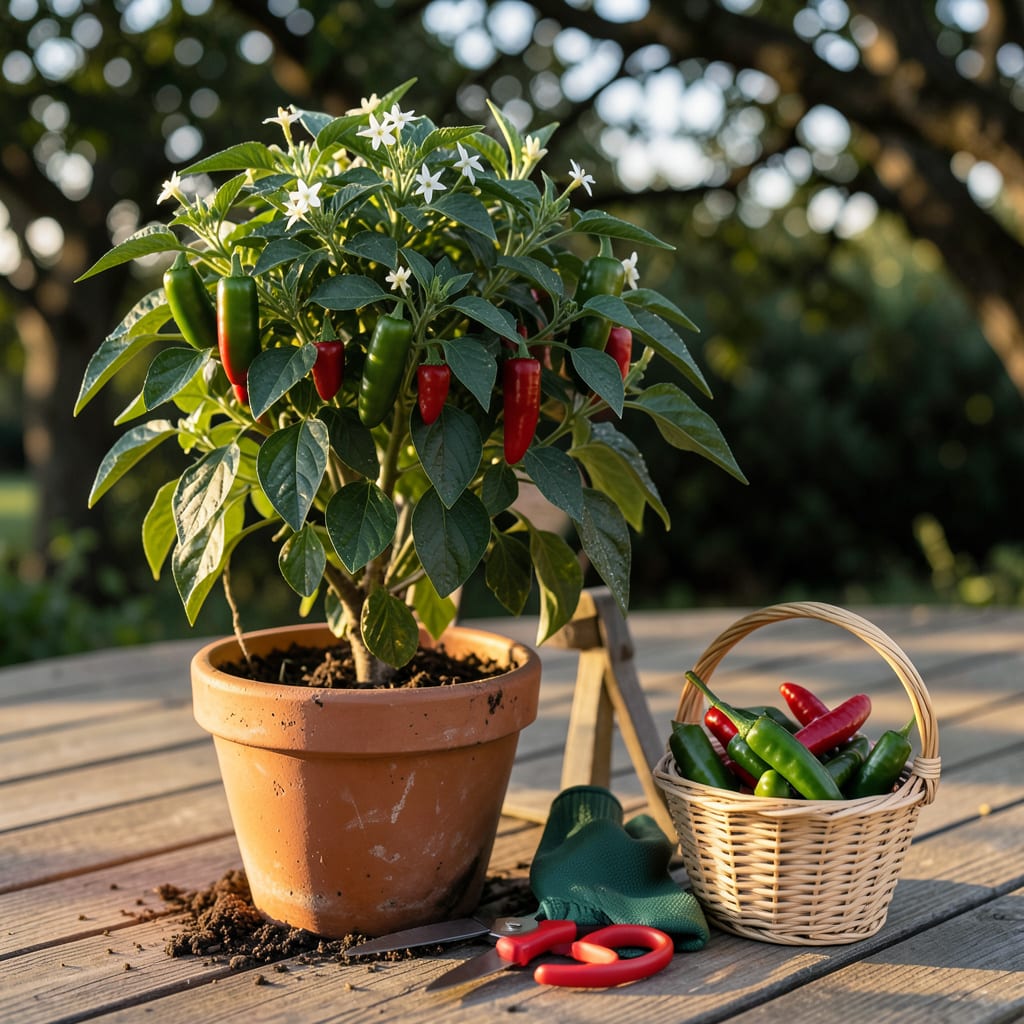
There’s nothing worse than waiting months for your 🌶️ Serrano Peppers to ripen—only to pick them too soon (or too late) and miss that perfect fiery kick. Timing is everything when it comes to these bold, flavor-packed peppers.
I’ve learned the hard way that color, size, and even the way they detach from the plant tell you exactly when they’re ready. Stick with me, and I’ll show you how to harvest them at their peak—whether you want mild green heat or the full red-fire intensity.


Timing is everything when harvesting serrano peppers. These fiery little powerhouses transform dramatically as they mature, shifting from mild and grassy to bold and blazing hot. I’ve learned the hard way that plucking them too soon means missing out on that signature kick. 🌱
The first clue is color progression. Green serranos are younger and milder, while red ones have reached peak ripeness—and heat. But color alone isn’t enough. You’ll also want to check for firmness, size, and that telltale glossy sheen that signals readiness. ✂️
| Stage | Color | Size | Heat Level | Best For |
|---|---|---|---|---|
| Early | Pale green | 1-2 inches | Mild (10,000 SHU) | Fresh salsas |
| Mid-Stage | Bright green | 2-3 inches | Medium (15,000 SHU) | Pickling, cooking |
| Fully Ripe | Red/orange | 2-4 inches | Hot (23,000 SHU) | Drying, hot sauces |
SHU = Scoville Heat Units. Harvest 70-90 days after transplanting.
I always give my serranos the squeeze test. Gently press the pepper—it should feel firm with slight give, like a ripe tomato. If it’s rock-hard, it needs more time. If it’s soft or wrinkled, you’ve waited too long. Size matters too: most serranos hit their prime at 2-3 inches long. 🌿
Don’t overlook the stem connection. A ripe serrano will detach with a gentle twist, leaving the stem intact on the plant. If you’re tugging hard, it’s not ready. For stubborn peppers, use clean pruners to snip the stem—this prevents damage to the plant and future harvests. ✂️
The glossy skin is your final confirmation. Dull or matte peppers are still developing their flavors. That shiny exterior means the capsaicin (the compound responsible for heat) has fully developed. Pro tip: if you’re growing multiple plants, harvest a few at different stages to compare heat levels. 🌡️
Watch the weather patterns too. Serrano peppers ripen faster in hot, dry conditions but may slow down during cool spells. In my garden, I’ve noticed that peppers exposed to full sun (6+ hours daily) mature about 10 days faster than those in partial shade. ☀️
If you’re aiming for maximum heat, let serranos turn red. The longer they stay on the plant, the more capsaicin they develop. But be warned: red serranos are significantly hotter than green ones. For a milder flavor, harvest when they’re still green but fully sized. I like to do a mixed harvest—some green for fresh use, some red for drying. 🌶️
Check your peppers every 2-3 days once they near maturity. Serrano peppers can go from perfectly ripe to overripe quickly, especially in warm weather. If you spot any peppers starting to soften or develop dark spots, prioritize harvesting those first. 📋
Finally, remember that harvesting encourages production. The more you pick, the more your plant will produce. I’ve had serrano plants yield peppers for 8-10 weeks when harvested regularly. Just be sure to leave a few peppers on the plant to mature fully—this signals the plant to keep producing. 🪴
Timing is everything when harvesting serrano peppers. These fiery little fruits transform dramatically as they mature, shifting from mild and grassy to intensely hot. I’ve learned the hard way that picking too early means missing out on that signature punch, while waiting too long risks mushy, overripe peppers.
The first clue is color progression. Serrano peppers start pale green, deepen to vibrant green, and finally turn red, orange, or yellow when fully ripe. But color alone isn’t enough—you’ll also want to check for firmness and size to ensure peak flavor and heat.
| Ripeness Stage | Color | Size | Firmness | Heat Level |
|---|---|---|---|---|
| Immature | Pale green | 1–1.5 inches | Soft, thin skin | Mild |
| Optimal (Green) | Deep green | 2–3 inches | Firm, glossy | Medium-High |
| Fully Ripe | Red/orange | 2.5–3.5 inches | Slightly soft | Very Hot |
For the best balance of flavor and heat, I harvest most serranos at the deep green stage. At this point, they’re 2–3 inches long, with a glossy sheen and a slight give when squeezed. If you prefer milder peppers, pick them earlier; for maximum heat, wait until they turn red.
Don’t overlook the stem test. A ripe serrano will detach with a gentle twist, while an unripe one clings stubbornly. I always use clean pruners to avoid damaging the plant—never yank peppers by hand, as this can snap branches and reduce future yields.
Pay attention to your growing zone too. In warmer climates (Zones 7–10), serranos may ripen faster, sometimes in as little as 60 days. Cooler regions (Zones 5–6) often need the full 90 days. Keep a garden journal to track your plants’ progress year to year.
Finally, watch for overripe signs: wrinkled skin, soft spots, or a dull appearance. These peppers are still usable but best for drying or fermenting. For fresh eating, stick to firm, vibrant peppers—your taste buds will thank you! 🌶️
Pro tip: If you’re unsure, taste-test one pepper before harvesting the whole plant. Slice a tiny piece—if the heat is perfect, it’s go time! If it’s too mild, give the rest another week in the sun. ☀️
Even experienced gardeners can make errors when harvesting serrano peppers. One of the most common is picking them too early, which results in underdeveloped flavor and heat. I’ve seen gardeners rush to harvest when peppers reach 1-2 inches, but they need to be 2-3 inches long for ideal ripeness.
Another mistake is pulling peppers off instead of cutting them. This can damage the plant and reduce future yields. Always use clean pruners or scissors to snip the stem just above the fruit. Trust me, your plants will thank you with a longer harvest season!
Quick fix: Harvest in the early morning when plants are hydrated and temperatures are cool.
Many gardeners also overlook the color cues of serrano peppers. While green serranos are milder, red ones pack more heat. If you prefer a balanced flavor, harvest when peppers are deep green and glossy. Waiting too long for red can risk splitting or pest damage.
Don’t forget about post-harvest handling. Leaving picked peppers in direct sunlight can cause them to wilt or spoil quickly. Store them in a cool, dry place or refrigerate for up to two weeks. For long-term storage, consider drying or freezing—just avoid washing them before storage to prevent mold.
Finally, watch for uneven ripening. If some peppers on the plant are ready while others aren’t, go ahead and harvest the ripe ones. This encourages the plant to focus energy on the remaining fruit. With these tips, you’ll avoid the most common mistakes and enjoy a bountiful, flavorful harvest! 🌿
Serrano peppers typically mature in 70-90 days from planting. Most varieties reach ideal size (2-3 inches long) around 75 days, but full ripeness (red color) may take up to 90 days. Check daily once they approach maturity.
It depends on your heat preference! Green serranos are milder with fresh, grassy notes, while red ones are sweeter and significantly hotter. For balanced flavor, harvest when deep green and glossy. Wait for red if you want maximum heat.
Always use clean pruners or scissors to snip the stem just above the fruit. Never pull peppers off—this can tear branches and reduce future yields. Harvest in the early morning when plants are hydrated for best results.
Yes, but choose wisely! Peppers under 2 inches won’t ripen properly off-vine. For near-mature peppers, harvest and place in a paper bag with a banana to speed ripening. Fully green peppers can be used fresh but will lack full heat.
