
Beautiful Plants For Your Interior
Beautiful Plants For Your Interior
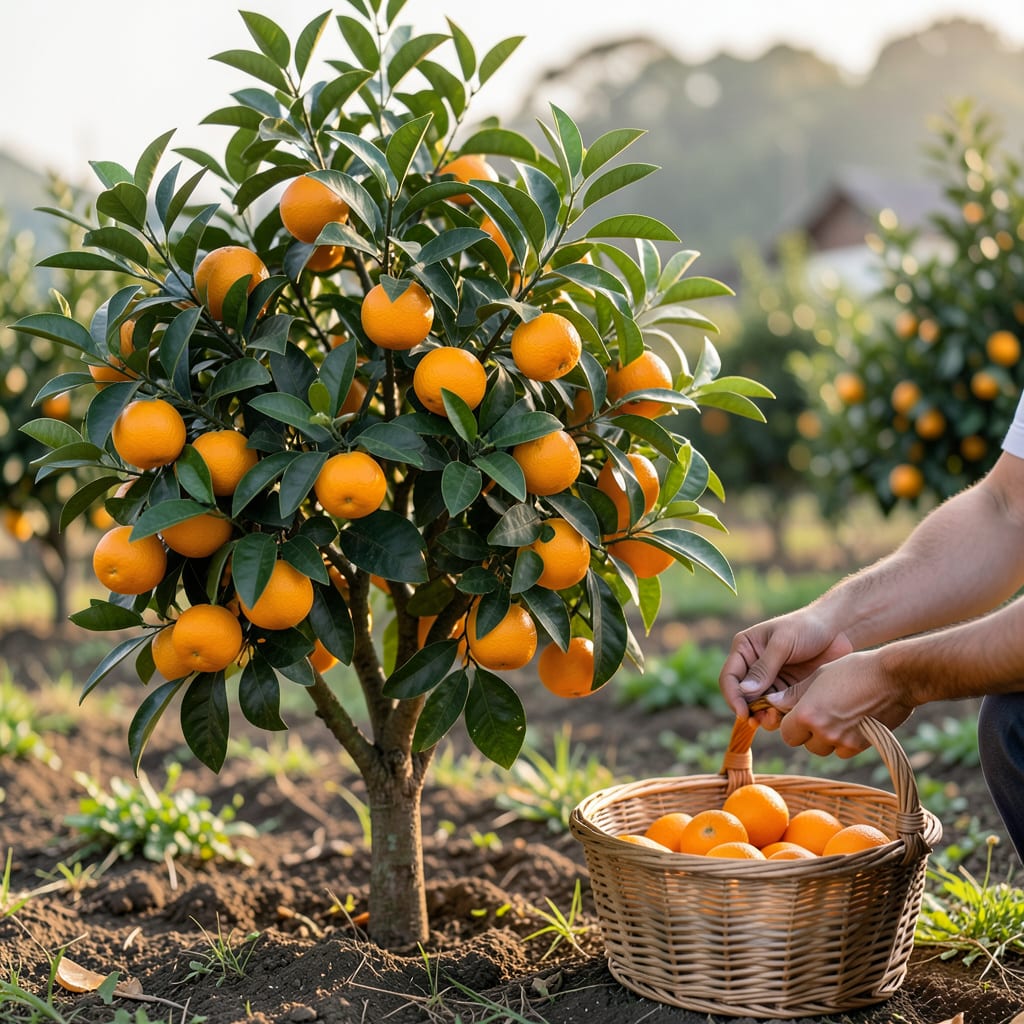
The secret to perfectly sweet Satsuma Orange 🍊 lies in timing your harvest just right. Wait too long or pick too early, and you’ll miss that burst of citrus flavor.
These cold-hardy fruits thrive in zones 8-11, and knowing when to pick them ensures the best taste. I’ll show you how to spot the perfect moment for harvesting.


Timing your Satsuma Orange harvest perfectly ensures the sweetest flavor. I look for visual cues first, like a deep orange color that signals ripeness.
The fruit should feel slightly soft when gently squeezed, not hard. A sweet citrus aroma is another clear indicator it’s time to harvest. These signs are more reliable than calendar dates alone.
| Sign | Description |
|---|---|
| Color Change | Fully deep orange, no green patches |
| Texture | Slightly soft to touch |
| Aroma | Strong sweet scent near stem |
| Ease of Separation | Comes off easily from stem |
I always check the Brix level for sugar content. A reading of 12% or higher means your satsumas are at peak sweetness. You can use a simple refractometer for this test.
Seasonal timing matters too. In most regions, first frost triggers the final sweetness boost. I’ve found that late October to December is ideal for zones 8-11.
Another trick is the taste test. Pick one fruit and sample it—if it’s sweet and juicy, the rest are likely ready. Avoid harvesting after heavy rain, as it can dilute flavor temporarily.
Watch for green patches on the skin—this means the fruit isn’t ripe yet. A hard texture is another sign to wait a little longer. Patience pays off with satsumas.
If you’re in a cooler climate, frost can damage the fruit. I recommend harvesting before the first hard freeze, even if some fruits aren’t fully ripe. They’ll continue to ripen indoors.
For warmer regions, like the Gulf Coast, you can often leave satsumas on the tree longer. They’ll develop even more complex flavors if left until full maturity.
Finally, trust your senses. The combination of color, texture, and aroma will guide you better than any calendar. Happy harvesting! 🌿
Timing your satsuma orange harvest depends heavily on your local climate. In warmer Gulf Coast regions, these citrus trees often ripen earlier, sometimes as soon as late September.
Further inland, where first frost hits around mid-November, the fruits typically reach peak sweetness just before or after that first cold snap. The chill boosts sugar content dramatically.
| Region | Harvest Window | Key Factor |
|---|---|---|
| Gulf Coast | Late Sept – Oct | Early warmth speeds ripening |
| Inland Areas | Oct – Dec | First frost triggers sweetness |
| Northern Zones | Nov – Dec | Later frost dates delay harvest |
I’ve noticed that satsumas in Texas often ripen 2-3 weeks earlier than those in Georgia due to the longer growing season. Watch for that deep orange color as your first clue.
For gardeners in Zone 8, where frost comes earlier, the ideal harvest window is usually October through November. The fruit’s sugar content peaks right after the first light frost.
In Zone 9 and warmer, you can often harvest as late as December. But don’t wait too long—overripe satsumas can split on the tree, reducing their storage life.
If you’re unsure, taste-test one from different parts of the tree. Satsumas ripen unevenly, so the sun-facing fruits are usually ready first. This simple check ensures you’re picking at peak flavor.
Remember, cold snaps are your friend with satsumas. A light frost won’t harm the fruit and actually enhances sweetness, but a hard freeze can damage the tree itself ☀️
Harvesting satsuma oranges at the wrong time can ruin weeks of growth. I’ve seen gardeners pick too early, missing out on that signature sweetness these fruits develop late in the season.
Another common error is ignoring frost warnings. While a light frost can enhance sweetness, a hard freeze can damage both the fruit and tree. Always check your local forecast.
I’ve also noticed many gardeners store satsumas improperly after picking. These fruits should be kept at room temperature for a few days to reach peak flavor, then refrigerated.
Picking unripe fruit is another mistake. If the skin still has green patches, the satsuma isn’t ready. Wait for that uniform deep orange color before harvesting.
Finally, don’t harvest after heavy rain. The excess water can dilute the sugar content temporarily, giving you a less flavorful fruit. Wait a few days for the flavor to concentrate again.
Trust your senses and the seasonal cues. With satsumas, patience and attention to detail always pay off in flavor ✂️
Look for a deep orange color with no green patches, a sweet citrus aroma, and a slightly soft texture when gently squeezed. These signs are more reliable than calendar dates alone.
A light frost can actually boost sugar content and improve flavor. However, harvest before a hard freeze to prevent damage to the fruit and tree. In most regions, October to December is ideal.
Yes, overripe satsumas can split on the tree, reducing their storage life. Harvest when they reach peak ripeness, usually signaled by full color and easy separation from the stem.
Pick one fruit and taste it—if it’s sweet and juicy, the rest are likely ready. For a more precise method, use a refractometer to check the Brix level. A reading of 12% or higher indicates peak sweetness.
