
Beautiful Plants For Your Interior
Beautiful Plants For Your Interior
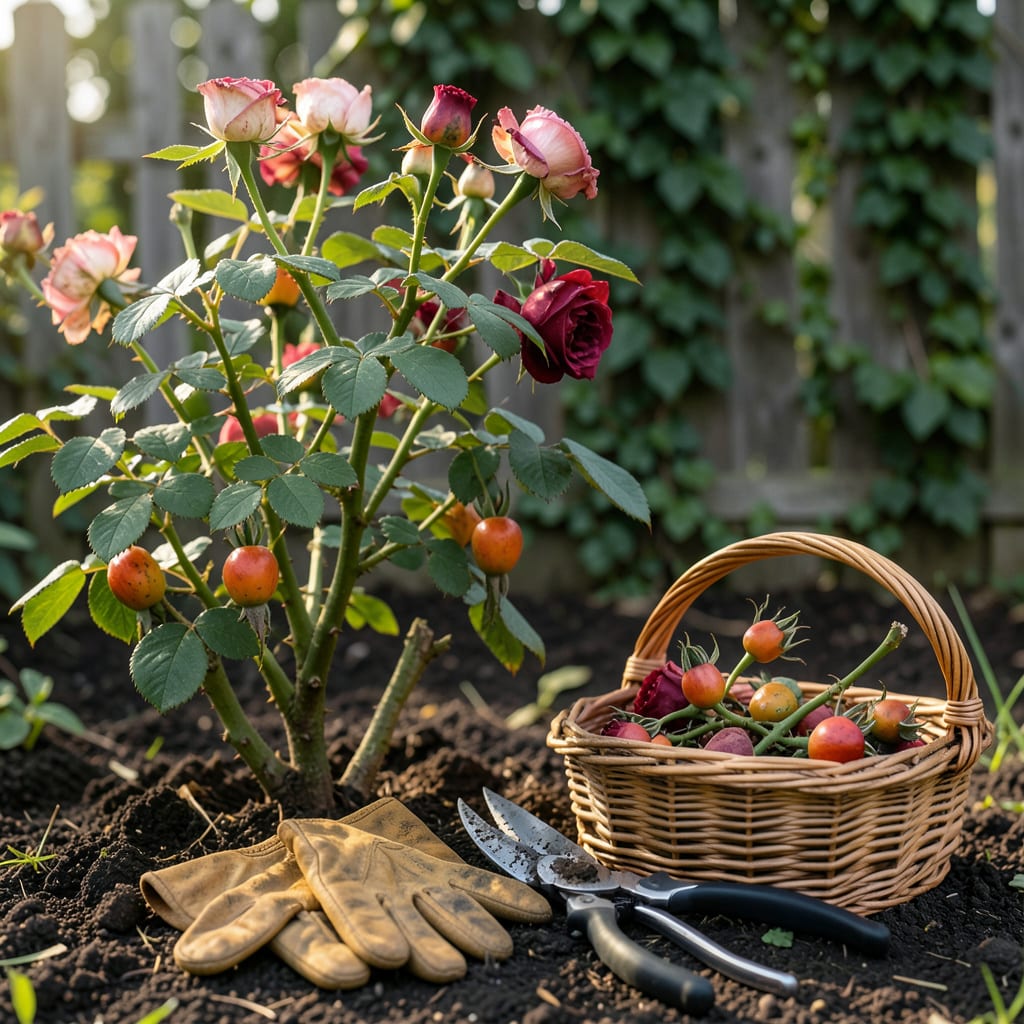
That moment when your 🌹 rose hips shift from hard green buds to vibrant jewels is pure magic—but timing is everything. Pick too soon, and you’ll get tart, underdeveloped fruits; wait too long, and they’ll turn mushy before you can enjoy their peak flavor and vitamin C boost.
I’ve learned the hard way that color isn’t the only clue. The perfect window hinges on firmness, frost kisses, and even the rose variety you’re growing. Let me show you how to nail the harvest—so you can turn those hips into teas, jams, or remedies that’ll impress even the skeptics.


Timing your rose hip harvest is like catching a sunrise—miss it by minutes, and the magic fades. I’ve stood in my garden staring at hips that look ready, only to find they’re still tart or worse, overripe and mushy. The secret? It’s not just about color. You need to check firmness, size, and even the weather.
Most rose hips ripen in late summer to fall, but your climate plays a huge role. In cooler zones (like USDA Zone 6), a light frost can actually sweeten the hips by breaking down starches. But in warmer areas, you’ll want to pick before heavy rains split the fruit. Let’s break down the exact signs to watch for—so you never second-guess again. 🌹
If you’re growing Rosa rugosa, you’ll notice their hips turn bright red by late August. These are my go-to for early harvests because they’re large and packed with vitamin C. But for Rosa canina (dog rose), wait until October—their smaller hips need extra time to develop flavor.
A light frost is your friend. After the first 32°F night, rose hips convert starches to sugars, making them sweeter. But don’t wait for a hard freeze—that turns them to mush. In frost-free climates, watch for bird activity. If robins start pecking, it’s time to pick!
Here’s a trick I swear by: the “thumb test.” Press gently on the hip’s side. If it indents slightly but springs back, it’s perfect. If it stays dented or feels soft, it’s overripe. Green hips? Leave them—they’re bitter and low in nutrients. And if you see black spots, that’s mold starting; harvest immediately.
For the juiciest hips, pick in the morning when temperatures are cool. Heat stresses the fruit, causing them to lose moisture and flavor. I once harvested in the afternoon and ended up with wrinkled hips by evening—lesson learned! If rain’s in the forecast, get them before the storm. Wet hips split and rot fast.
Don’t overlook the hip’s “crown”—the dried flower remnants at the top. If it’s still tightly closed, the hip isn’t fully ripe. Once it opens slightly and the sepals (those leafy bits) curl back, you’re in the sweet spot. This is especially true for wild roses, which can be trickier to judge.
If you’re saving seeds, let a few hips stay on the plant until they’re slightly wrinkled. The seeds inside will be more mature. Just don’t wait too long—once hips shrivel completely, the seeds may have already sprouted inside! For culinary use, though, stick to firm, plump hips for the best texture and taste. 🌱
Remember, rose hips don’t ripen off the plant like tomatoes. So if you pick them too early, they’ll stay tart and bland. But if you wait until they’re just starting to soften, you’ll get the perfect balance of tang and sweetness—ideal for teas, syrups, or even fresh eating (once you remove the hairy seeds, of course!).
Once your rose hips hit peak ripeness, how you pick them makes all the difference. I always use sharp pruning shears or clean scissors to snip the stem just above the hip—never yank them by hand, which can damage the plant or bruise the fruit. A gentle twist works for some varieties, but tools give you cleaner cuts.
Timing matters here too. Harvest on a dry morning after the dew evaporates but before the afternoon heat. Wet hips spoil faster, and midday sun can wilt them before you even get inside. I keep a small basket lined with a breathable cloth to prevent crushing as I collect.
⚠️ Avoid These Harvesting Mistakes
Pro tip: Wear gloves—rose thorns and hip hairs can irritate skin!
After harvesting, give your hips a quick rinse under cool water to remove dirt or bugs, then pat them dry with a towel. For immediate use, you can slice them open and scoop out the seeds. If storing, spread them in a single layer on a tray to dry in a well-ventilated area away from direct sun.
For long-term storage, I freeze dried hips in airtight containers—they’ll keep their nutritional punch for up to a year. If you’re making tea or syrup, simmer fresh hips within 24 hours for the brightest flavor. Remember, the faster you process them, the more vitamin C you’ll preserve.
Different rose varieties have different stem strengths. Rosa rugosa hips often detach with a firm twist, while Rosa canina might need shears. Test a few hips first to gauge what works. And don’t forget to leave some hips on the plant for winter wildlife—they’re a vital food source for birds!
If you’re saving seeds, ferment the pulp first to remove the inhibitory layer. Mix the seeds with damp sand and refrigerate for 6-8 weeks to stratify them. This mimics winter and boosts germination rates come spring. It’s extra work, but nothing beats growing roses from your own harvested seeds.
Finally, clean your tools after harvesting with rubbing alcohol to prevent spreading disease. A quick wipe-down keeps your shears sharp and ready for next season. With these techniques, you’ll get the most out of every hip—whether you’re brewing tea, making jelly, or saving seeds for next year’s garden. ✂️
Not all rose hips are created equal—some varieties are flavor powerhouses, while others shine for their medicinal benefits or sheer abundance. I’ve grown everything from dainty Rosa canina to beefy Rosa rugosa, and let me tell you, the differences are stunning. Your choice depends on what you want: giant hips for jams, tiny but potent ones for tea, or easy-to-pick varieties for beginners.
If you’re after maximum yield, Rosa rugosa is your best bet. These rugged shrubs produce golf-ball-sized hips by late summer, packed with vitamin C and a tangy-sweet flavor. They’re also thorny as all get-out, so wear gloves! For a milder taste, Rosa canina (dog rose) offers smaller but sweeter hips, perfect for syrups. Their slender stems make harvesting a breeze—no shears needed. 🌹
For beginner gardeners, I recommend starting with Rosa rugosa. They’re nearly indestructible—tolerating poor soil, salt spray, and even partial shade. Their massive hips are easy to spot and pick, and they ripen earlier than most. If space is tight, try Rosa ‘Hansa’, a compact rugosa hybrid with deep red hips and a manageable 4-foot height.
Want hips for medicinal use? Rosa moyesii is my top pick. Their hips are loaded with bioflavonoids and have a unique peppery kick. Dried, they make a potent cold remedy. Just be patient—they’re the last to ripen, often holding on until November. For syrups, blend Rosa canina with a touch of Rosa rugosa for a balanced sweet-tart flavor.
Remember, hip size isn’t everything. Tiny Rosa pimpinellifolia hips (just 0.3 inches!) pack a surprising vitamin C punch—ideal for powders or capsules. And if you’re saving seeds, wild roses like Rosa arvensis produce viable seeds more reliably than hybrids. Always leave some hips for birds, though—they’ll repay you by keeping pests in check! 🪴
A light frost (around 32°F) is ideal—it converts starches to sugars, boosting sweetness. Check hips the morning after the first frost; they should feel slightly softer but still firm. If they’re mushy, the frost was too heavy.
Most wild roses (like Rosa canina or Rosa rugosa) produce edible hips, but hybrid tea roses often have tiny, bitter hips. Stick to species roses for the best flavor and yield.
Harvest in the early morning after dew dries but before temperatures rise. This keeps hips firm and prevents wilting. Avoid picking wet hips—they spoil faster in storage.
Fresh hips stay good for 3–5 days in the fridge if unwashed and stored in a breathable container. For longer storage, dry or freeze them immediately to preserve nutrients.
Uneven ripening happens due to sunlight exposure or plant stress. Green hips need more time—don’t pick them early! Focus on hips that are uniformly bright orange/red and firm.
