
Beautiful Plants For Your Interior
Beautiful Plants For Your Interior
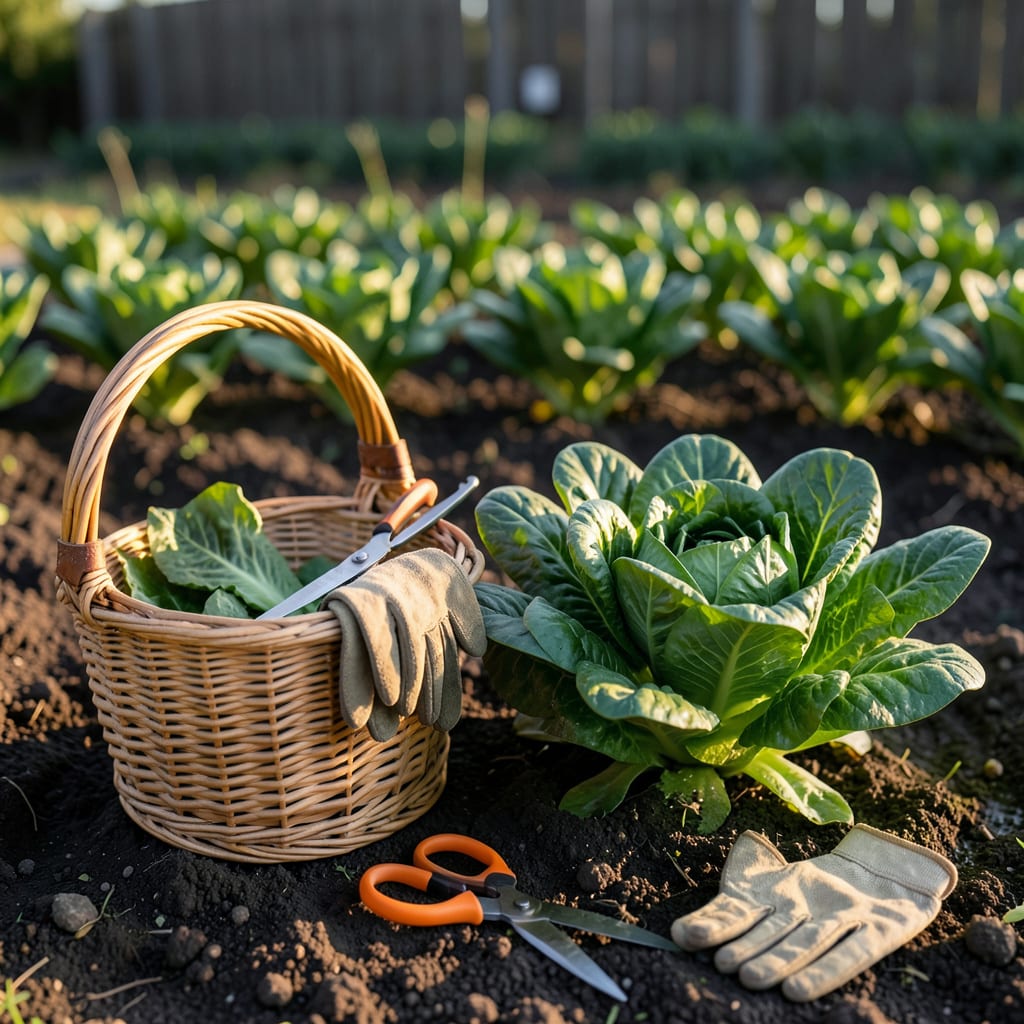
There’s nothing quite like the satisfaction of harvesting your own crisp, homegrown 🥬 Romaine Lettuce—until you wait too long and end up with bitter, woody leaves. Timing is everything when it comes to that perfect balance of tenderness and flavor.
I’ve learned the hard way that watching the calendar isn’t enough. Your lettuce sends clear signals when it’s ready, and I’ll show you exactly what to look for. From leaf size to head firmness, we’ll cover the visual cues that guarantee you’ll never miss that ideal harvest window again.


Knowing exactly when to pick your romaine lettuce can feel like solving a garden mystery. After years of trial and error, I’ve learned that visual cues matter far more than counting days. The perfect harvest window is that sweet spot between underdeveloped leaves and bitter, overmature heads.
Your romaine will actually tell you when it’s ready if you know what to look for. I focus on three main indicators: leaf size and color, head firmness, and stem strength. These signs are far more reliable than any calendar date, especially since growing conditions vary by season and location.
| Harvest Sign | What to Look For | Seasonal Notes |
|---|---|---|
| Leaf Size | Outer leaves 8-12 inches long, inner leaves 6-8 inches | Spring crops reach size faster than fall |
| Head Firmness | Head feels dense and solid when gently squeezed | Fall heads often firmer than spring |
| Leaf Color | Deep green outer leaves with lighter green hearts | Spring leaves may be lighter green |
| Stem Thickness | Base stem 1/2 to 3/4 inch diameter | Thicker stems in cooler weather |
| Leaf Texture | Leaves feel crisp and snappy, not limp | Morning harvest yields crispest leaves |
The time from planting to harvest typically ranges from 55-70 days, but I’ve had romaine ready in as few as 45 days in ideal conditions. Spring-planted romaine often matures faster than fall-planted due to increasing daylight and warmer temperatures. I always mark my planting dates but rely more on these physical signs.
One of my favorite tests is the “lift test” – gently lift the head about an inch. If it feels heavy and the leaves stay tightly packed, it’s ready. If the head feels light or leaves flop open, give it a few more days. This simple trick has saved me from many premature harvests.
Watch for bolting signs too – when romaine starts sending up a flower stalk, the leaves quickly turn bitter. In warm weather, I check daily once heads form. The first sign is usually the center leaves elongating rather than staying compact. At this point, harvest immediately, even if the head seems small.
Color changes are particularly telling. Ideal romaine has dark green outer leaves with lighter green hearts. If you notice yellowing edges or reddish tints, these can indicate stress or over-maturity. I’ve found that fall-grown romaine often develops deeper colors than spring crops.
For baby romaine leaves, you can start harvesting when plants reach 4-6 inches tall. Simply snip outer leaves about 1 inch above the base, leaving the growing center intact. This method lets you enjoy tender greens while the plant continues producing for weeks.
Remember that morning harvests yield the crispest, most flavorful leaves. The plants are fully hydrated after cool nights, and the leaves contain maximum sugars. I always bring a bowl of cool water to the garden – harvested heads go straight in to maintain freshness during the picking process.
If you’re growing multiple romaine plants, stagger your harvests. I like to pick every 3-4 days during peak season, taking just what I need. This approach prevents gluts of lettuce and ensures each plant gets harvested at its absolute peak. The plants seem to appreciate this gentle approach too!
Finally, trust your taste buds! If you’re unsure, harvest a test leaf from the outer layer. Romaine at peak ripeness has a sweet, slightly nutty flavor with no bitterness. This simple taste test has become my final confirmation before committing to a full harvest.
Harvesting your romaine lettuce properly can mean the difference between a one-time crop and weeks of fresh greens. I’ve found that using the cut-and-come-again method extends my harvest season significantly. Instead of pulling the entire plant, you’ll want to make clean cuts that encourage regrowth.
The best time to harvest is in the early morning when leaves are most hydrated and crisp. You’ll need either sharp pruners or a clean knife—dull blades can damage the plant. Remember, romaine grows best when you work with its natural growth patterns rather than against them.
For leaf harvesting, I recommend taking no more than one-third of the plant at a time. This ensures your romaine has enough foliage to continue photosynthesizing effectively. The plant will typically produce new leaves within 7-10 days when conditions are ideal.
If you’re doing a full-head harvest, consider succession planting. I like to sow new seeds every 2 weeks during the growing season. This staggered approach means I always have romaine at different growth stages, providing a continuous supply of fresh lettuce.
After harvesting, store your romaine properly to maintain freshness. I’ve found that wrapping unwashed heads in damp paper towels and placing them in a perforated plastic bag in the fridge keeps them crisp for up to 10 days. Never wash before storing—excess moisture speeds up spoilage.
Remember that spring and fall crops may grow at different rates due to temperature variations. In my experience, fall-harvested romaine often has a sweeter flavor and more tender leaves compared to spring crops, which can bolt more quickly in warming temperatures.
Even experienced gardeners sometimes miss the perfect harvest window for romaine lettuce. I’ve made my share of mistakes—like waiting too long for “just a bit more growth”—only to end up with bitter, woody leaves that belong in the compost, not on my plate.
The most common error is ignoring temperature impacts. Romaine bolts quickly in heat, turning leaves bitter in just days. I learned this the hard way during an unexpected spring heatwave that ruined my entire crop. Weather matters more than calendar days when deciding when to pick.
Another mistake I see often is harvesting too early. While baby leaves are tender, picking before the head forms means you’re sacrificing 70% of your potential yield. Wait until the head reaches at least 6 inches tall for maximum crispness.
Seasonal timing trips up many gardeners. Spring-planted romaine often bolts faster than fall crops due to increasing temperatures. I now adjust my expectations—harvesting spring romaine at 50-55 days and fall crops at 60-65 days for optimal results.
Don’t forget about post-harvest care either. Leaving cut stems exposed to direct sun causes stress. I immediately apply a light mulch layer after harvesting to protect the plant and retain moisture. This simple step can extend your harvest window by 1-2 weeks.
If you notice your romaine starting to bolt (that tall flower stalk appearing), don’t panic. While the leaves will turn bitter, you can still cut the plant back to about 2 inches above soil level. With proper care, it may produce a second flush of leaves—though they’ll be smaller and milder in flavor.
Look for heads that feel firm and dense when gently squeezed, with outer leaves reaching 8-12 inches long. The leaves should be dark green and crisp, not limp or yellowing. A quick “lift test” helps too—lift the head slightly; if it feels heavy, it’s ready.
Waiting beyond 70 days from planting often leads to bitter, woody leaves as the plant starts bolting. The stems become tough, and the flavor turns unpleasant. In warm weather, this can happen in just days, so check plants frequently once they near maturity.
This cut-and-come-again method extends your harvest. Use clean scissors to snip outer leaves about 1 inch above the base, leaving the center intact. The plant will regrow in 7-10 days if cared for properly.
Yes! Harvest in the early morning when leaves are most hydrated and crisp. Midday harvesting can stress the plant and increase bolting risk. I always bring a bowl of cool water to immediately place cut heads in for maximum freshness.
Spring romaine often bolts quicker due to increasing temperatures and longer daylight. Fall crops benefit from cooling weather, growing more slowly. Adjust expectations: harvest spring romaine at 50-55 days and fall crops at 60-65 days for best results.
