
Beautiful Plants For Your Interior
Beautiful Plants For Your Interior
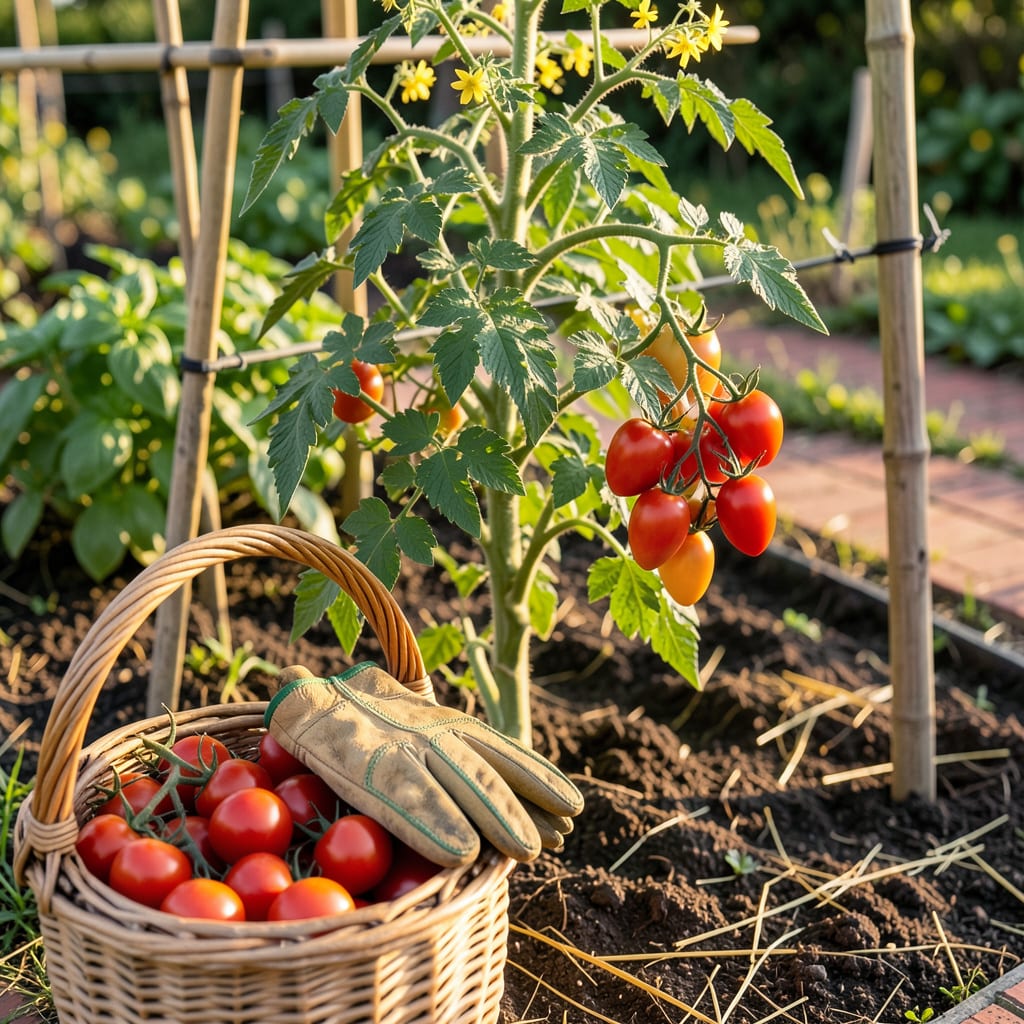
There’s nothing quite like the satisfaction of plucking a perfectly ripe Roma tomato from your vine—firm, vibrant, and bursting with flavor. But timing that harvest? That’s where many gardeners second-guess themselves.
I’ve learned the hard way that waiting for that ideal moment makes all the difference. Whether you’re canning, saucing, or eating fresh, I’ll show you the foolproof signs to look for. No more guessing games—just juicy, flavorful tomatoes every time.


Knowing exactly when to pick Roma tomatoes can feel like a guessing game, but your plants actually give clear signals. I’ve found that focusing on color, texture, and vine behavior takes the mystery out of harvesting. These tomatoes won’t ripen further once picked, so timing is everything.
First, forget the supermarket standard of bright red. Roma tomatoes often develop a deep, even crimson when fully ripe, with no green patches near the stem. The shoulders (top of the fruit) should match the body color. If you’re growing heirloom varieties, they might show orange or pink undertones—that’s normal!
| Ripeness Stage | Visual Cues | Texture Test |
|---|---|---|
| Too Early 🟢 | Green stem end, pale body | Hard as a golf ball 🤏 |
| Breaker Stage 🟡 | Pink blush appears | Firm with slight give |
| Perfect Ripeness ❤️ | Uniform red, glossy skin | Yields to gentle pressure |
| Overripe 🟤 | Dull color, wrinkled skin | Too soft, mealy texture |
Pro Tip: Harvest in the morning when temperatures are below 80°F for best flavor retention.
The size test is another reliable indicator. Mature Romas typically reach 2–3 inches long and feel heavy for their size. If they’re still small but showing color, give them a few more days. I like to compare them to a plump cigar—that’s the ideal shape and density you’re after.
Now for the touch test: Gently squeeze the tomato. It should have a slight give, like a ripe avocado, but not feel mushy. The skin should be smooth, not wrinkled. If it’s rock-hard, wait another day or two. If your fingernail leaves an indentation, you’ve waited too long—those are best for immediate saucing.
The vine test is my favorite foolproof method. A ripe Roma will twist off easily with a gentle upward motion. If you’re tugging hard, it’s not ready. I’ve ruined many tomatoes by yanking too soon—learn from my mistake! The stem should separate cleanly, leaving a small star-shaped scar on the fruit.
Watch the stem end closely. When it turns from green to yellow or cream-colored, that’s your final confirmation. This is especially helpful with greenhouse-grown Romas, which might not develop full red color. I’ve harvested many delicious tomatoes that were still slightly orange but had that telltale yellow stem end.
If you’re growing Romas for sauces or canning, you can harvest them at the breaker stage (when they’re just starting to pink up). They’ll ripen off the vine with minimal flavor loss. For fresh eating, though, always wait for full ripeness—the sugar content peaks at this stage, giving you that rich, sweet-tart balance Romas are famous for.
Don’t forget to check your plant’s overall health during harvest. If leaves are yellowing or you spot blossom end rot, prioritize picking ripe fruit immediately. Stressed plants often drop fruit, so it’s better to harvest early than lose them to the compost pile. I keep a harvest basket handy in the garden for just these situations.
Finally, trust your instincts. After harvesting a few Romas, you’ll develop an eye for that perfect window—usually 70–80 days after transplanting. Keep a garden journal to track your harvest dates each year. I’ve found that my Romas in Zone 6 consistently ripen in late July, while friends in Zone 9 start picking in early June. Your microclimate makes all the difference!
If you’ve ever wondered why your Roma tomatoes ripen faster some years than others, the answer lies in your local weather. I’ve seen temperature swings turn a steady harvest into a race against time—or worse, a batch of split fruit. Let’s break down how sunlight, heat, and humidity play starring roles in ripening.
First, consistent warmth is your best friend. Roma tomatoes thrive when daytime temps hover between 70–85°F. Cooler nights (below 55°F) slow ripening dramatically, while heatwaves above 90°F can stall it entirely. Humidity matters too—high moisture levels invite disease, while dry air may cause blossom-end rot.
✅ Ideal ripening: 70–85°F days, 60–70°F nights
❌ Ripening slows: Below 55°F or above 90°F
💧 Humidity risk: Above 70% invites fungal diseases
☀️ Sunlight minimum: 6+ hours daily for even ripening
When early frost threatens, don’t panic—pick mature green Romas and ripen them indoors. I’ve saved entire harvests by placing them in a paper bag with a banana (the ethylene gas speeds things up). Conversely, if your summer’s too hot, shade cloth can prevent sunscald while keeping ripening on track.
Your USDA zone also dictates timing. In Zone 6, Romas typically ripen 70–80 days after transplanting, while warmer zones (like Zone 9) may see fruit 10–14 days earlier. Track your first frost date—if it’s 60 days out, prioritize harvesting green tomatoes for indoor ripening.
Pro tip: Morning harvests retain the most flavor. The fruit’s sugars peak after cool nights, and the turgor pressure (that satisfying firmness) is highest before midday heat. If rain’s forecasted, pick ripe Romas early to avoid cracking from sudden water uptake.
Finally, soil health affects ripening speed. I’ve noticed plants in compost-rich soil produce fruit that colors up faster, thanks to steady nutrient access. If your Romas are lagging, a balanced fertilizer (like 10-10-10) can give them a nudge—just avoid overdoing nitrogen, which prioritizes leaves over fruit.
Remember, Roma tomatoes are forgiving. Even if weather throws curveballs, adjusting your care—like adding row covers for cold snaps or drip irrigation during droughts—can salvage your harvest. The key is observing your plants daily and responding to their cues.
You’ve picked your Roma tomatoes at peak ripeness—now what? How you handle them post-harvest makes a huge difference in flavor and storage life. I’ve ruined many a perfect tomato by tossing it in the fridge or leaving it in the sun. Let’s avoid those mistakes together.
The golden rule: Never refrigerate fresh Romas unless you’re prepping them for sauce. Cold temps turn their flesh mealy and mute their flavor. Instead, store them at room temperature (65–75°F), out of direct sunlight. A kitchen counter or pantry shelf works perfectly for 3–5 days.
Place mature green Romas in a paper bag with a banana. The ethylene gas speeds ripening in 5–7 days without flavor loss.
Wash, dry, and freeze whole Romas on a tray. Transfer to bags for up to 6 months. Perfect for winter sauces!
Store tomatoes stem-side down to slow air entry and moisture loss. This simple trick extends freshness by 2–3 days.
For long-term preservation, freezing is your best bet. I freeze Romas whole on a baking sheet first (to prevent clumping), then transfer to airtight bags. Their texture changes, but the flavor concentrates beautifully for sauces. For canning, use the water bath method with lemon juice to ensure safety.
If you’ve harvested slightly underripe tomatoes, don’t despair. Place them in a single layer on your counter (not touching) and check daily. They’ll ripen in 2–4 days at room temp. Avoid plastic bags—they trap ethylene and can make tomatoes mushy before they’re fully ripe.
Here’s a trick I swear by: Wash tomatoes only before use, not after picking. Moisture accelerates spoilage. Instead, brush off dirt with a dry cloth. If you must wash, pat them completely dry and let them air-dry for 30 minutes before storing. This small step prevents mold growth and extends shelf life.
Finally, if you’re overwhelmed with Romas, consider dehydrating them. Slice into halves, sprinkle with salt, and dry at 170°F for 6–8 hours. You’ll get intense, chewy “tomato raisins” that last for months. I toss them into pasta dishes or blend into powders for umami-packed seasoning.
🍅A green “shoulder” means they need more time. Wait until the stem end turns yellow or cream-colored. This usually happens 2-3 days after the body turns red. Picking too soon sacrifices sweetness.
Harvest mature green Romas (full-sized but uncolored) before frost. Store them in a paper bag with a banana at room temperature. They’ll ripen in about 5-7 days with no flavor loss.
Sun exposure and vine position matter. Tomatoes on the outer branches ripen first because they get more sunlight. Shaded or lower fruit may need 2-4 extra days. Rotate plants weekly for even ripening.
Overripe Romas feel too soft when squeezed and may have wrinkled skin. The color dulls from vibrant red to muddy brown. These are still great for sauces but won’t store well. Harvest immediately if you see these signs.
Never wash until ready to use! Moisture speeds up spoilage. Instead, brush off dirt with a dry cloth. If washing is unavoidable, pat them completely dry and let air-dry for 30 minutes before storing.
