
Beautiful Plants For Your Interior
Beautiful Plants For Your Interior
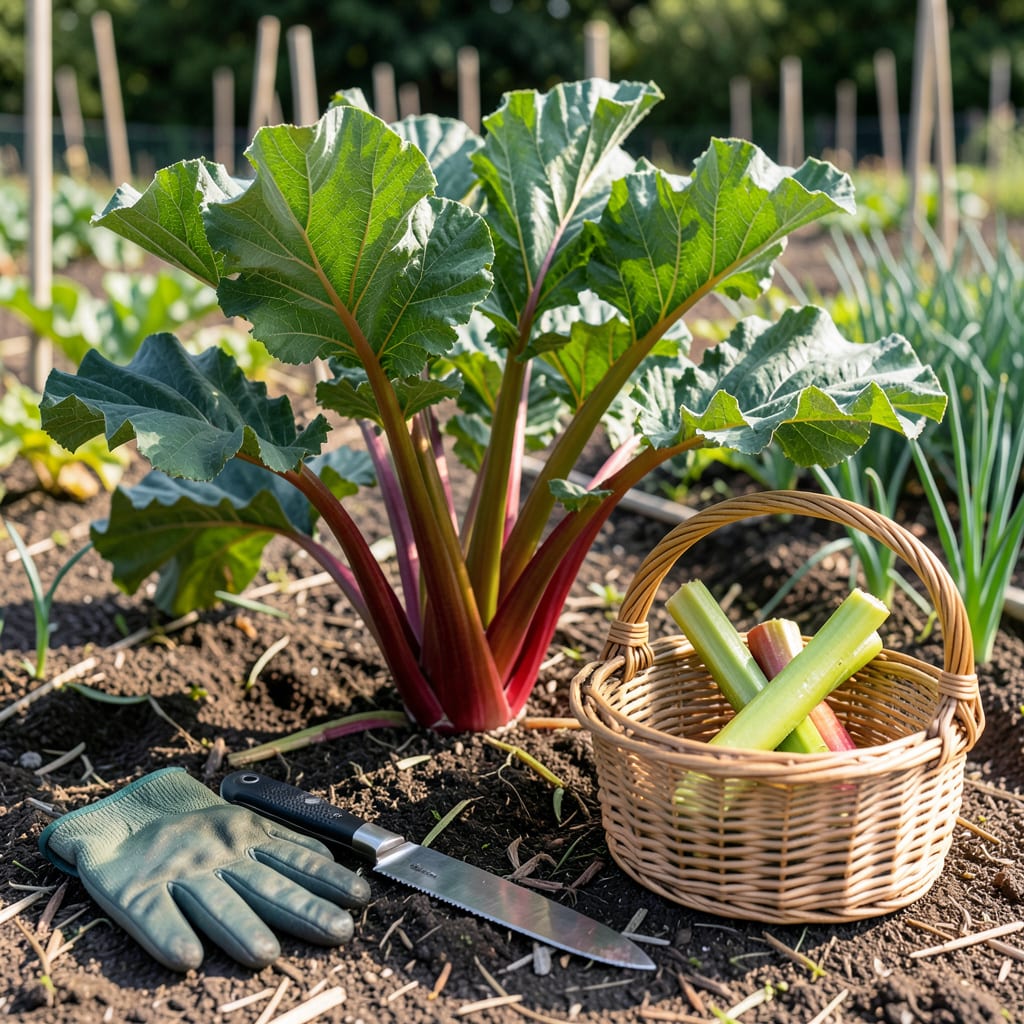
There’s nothing quite like the satisfaction of plucking a perfect rhubarb stalk—firm, vibrant, and ready for your next pie. But timing is everything. Pick too early, and you’ll get stringy disappointment; wait too long, and the plant’s energy fizzles out for next year.
I’ve learned the hard way that rhubarb 🥬 doesn’t play by guesswork. Whether you’re in Zone 6a or just starting your first patch, I’ll show you the exact signs to watch for—so you harvest at peak sweetness, every single time. Let’s get it right.


Nothing beats the satisfaction of plucking perfectly ripe rhubarb from your garden—if you know when to act. I’ve seen too many gardeners rush the process, ending up with tough, bitter stalks instead of the sweet-tart prize they craved. The secret? Watching for three key signals your plant sends.
First, forget about harvesting in the first growing year. Rhubarb needs that time to establish its roots. By year two, you can take a light harvest, but year three is when the real bounty begins. Patience here means bigger yields for years to come.
| Harvest Sign | What to Look For | Action Needed |
|---|---|---|
| Stalk Length ✅ | 12–18 inches long, thick as your thumb | Harvest immediately—this is peak sweetness |
| Stalk Color 🟠 | Deep red or pink (green varieties are ready too!) | Check firmness—if crisp, it’s go time |
| Leaf Health 🌿 | Leaves fully unfurled, vibrant green, no wilting | Harvest stalks but leave leaves to feed the plant |
| Thin Stalks 🟢 | Under ½-inch thick or shorter than 10 inches | Wait 1–2 weeks—they’re not ready yet |
| Soft Stalks 🔴 | Feel mushy or bendy instead of snapping | Hold off—overripe or stressed plant |
Pro Tip: Always twist and pull stalks instead of cutting—this prevents rot at the base.
If you’re in cooler climates (Zones 3–5), your rhubarb will likely be ready by late May. But in warmer Zones 6–8, stalks may mature as early as April. A sudden heatwave can speed up growth, so check plants every 3–4 days once they start bolting.
Here’s a trick I swear by: the “snap test”. Gently bend a stalk—if it breaks cleanly with a crisp snap, it’s ready. If it bends like a rubber band, give it another week. This simple test saves me from premature picking every season.
Watch the leaf size too. When leaves grow as wide as a dinner plate (about 12 inches across), the stalks below are usually prime for picking. But never remove more than ⅓ of the plant’s stalks at once—this keeps your rhubarb productive for decades.
First-time harvesters often ask: “What if my rhubarb flowers?” Those tall, weird-looking seed stalks mean the plant is stressed or aging. Cut them off immediately—they sap energy from the edible stalks. I use clean shears to remove flower stalks at the base, which redirects nutrients to the parts you actually want.
After harvesting, give your plant a boost of balanced fertilizer (like a 10-10-10 mix) and deep watering. This helps it recover and prep for next year’s crop. Avoid harvesting after mid-July—stalks get woody and bitter, and the plant needs to store energy for winter.
One mistake I made early on? Ignoring frost damage. If a late frost hits and your rhubarb leaves turn black or mushy, resist the urge to harvest. Wait until the plant regrows healthy leaves—usually in 2–3 weeks. Picking too soon after frost can weaken the crown permanently.
Finally, if your rhubarb stalks stay thin and spindly year after year, it’s likely overcrowded or nutrient-starved. Divide the crowns every 4–5 years in early spring, and amend the soil with compost or aged manure. This simple step can double your harvest the following season.
Remember: Rhubarb is a marathon plant, not a sprint. The more care you give it now, the more sweet, tangy stalks you’ll enjoy for 20+ years. Now grab those stalks—and happy picking! 🪴
Timing your rhubarb harvest perfectly depends on where you live. In cooler zones like 3-4, stalks are ready in late May or early June. But in warmer zones (6-7), you might start picking as early as mid-April. Watch for consistent 50°F+ soil temps—that’s your green light.
First-year plants need patience—skip harvesting entirely to let roots establish. By year two, take just a few stalks. By year three, you’re in business! Always stop harvesting by mid-summer to let the plant recharge for next season.
| USDA Zone | Harvest Window | First Pick | Last Pick |
|---|---|---|---|
| Zones 3-4 | Late May–July | May 20 | July 15 |
| Zones 5-6 | Mid-April–June | April 15 | June 30 |
| Zones 7-8 | Early April–May | April 1 | May 31 |
Unexpected late frosts? Cover plants with frost cloth—damaged stalks turn mushy. In heatwaves, harvest early in the day to avoid wilted stalks. I’ve found that morning picks stay crispest for storage.
Watch your plant’s signals: thick, 12-18″ stalks with vibrant color are ready. If stalks thin out or leaves yellow, it’s time to stop harvesting and feed the plant. A balanced 10-10-10 fertilizer after harvest boosts next year’s yield.
Pro tip: Mark your calendar for the first frost date. Stop harvesting 6-8 weeks before to let the plant harden off. This ensures a strong return next spring. I use a garden journal to track my rhubarb’s progress yearly.
In container gardens, rhubarb may mature slower—expect harvests 2-3 weeks later than in-ground plants. Ensure pots are at least 18″ deep for root development. Thin stalks? Your plant likely needs more sunlight or nutrients.
Remember, over-harvesting weakens plants. Never take more than 1/3 of stalks at once. Leave the smallest stalks to grow—these fuel next year’s crop. With the right timing, you’ll enjoy sweet, tender rhubarb for decades! 🌱
Even experienced gardeners can make mistakes when harvesting rhubarb stalks. The most common error? Pulling instead of cutting. Yanking stalks damages the crown roots, weakening future growth. Always use a sharp knife or garden shears to make clean cuts at the base.
Another blunder is harvesting too late in summer. Once temperatures rise above 90°F, rhubarb stalks become woody and bitter. Stop picking by mid-July in most regions to let the plant recover. Late harvests also drain energy needed for next year’s production.
I’ve seen gardeners harvest first-year plants, which is a huge no-no. Rhubarb needs 2 full years to establish roots before you pick. Taking stalks too early stunts growth and reduces yields for years. Patience pays off with thicker, sweeter stalks later.
Finally, don’t forget post-harvest care. After picking, give your plant a balanced fertilizer (like 10-10-10) and deep watering to replenish nutrients. Mulch around the base to retain moisture and suppress weeds. This keeps your rhubarb thriving for decades.
Remember, rhubarb is a perennial crop—treat it well, and it’ll reward you with 10+ years of harvests. Avoid these mistakes, and you’ll enjoy plump, tender stalks every spring without compromising the plant’s health. 🌱
Wait until stalks reach 12-18 inches long. Anything shorter than 8 inches isn’t mature enough. The ideal length ensures sweetness and tenderness, while shorter stalks tend to be stringy and tart.
First-year plants need to establish strong roots. Picking too soon weakens the crown, leading to smaller yields for years. Be patient—wait until the second spring for your first harvest to ensure decades of production.
Never pull stalks! Use a sharp knife or shears to cut at the base. Pulling can tear roots and invite disease. Always leave at least 1/3 of stalks untouched to keep the plant healthy.
Remove flower stalks immediately—they drain energy from edible stalks. Once flowering begins, the remaining stalks often turn woody and bitter. Focus on harvesting before flowers appear for the best quality.
