
Beautiful Plants For Your Interior
Beautiful Plants For Your Interior
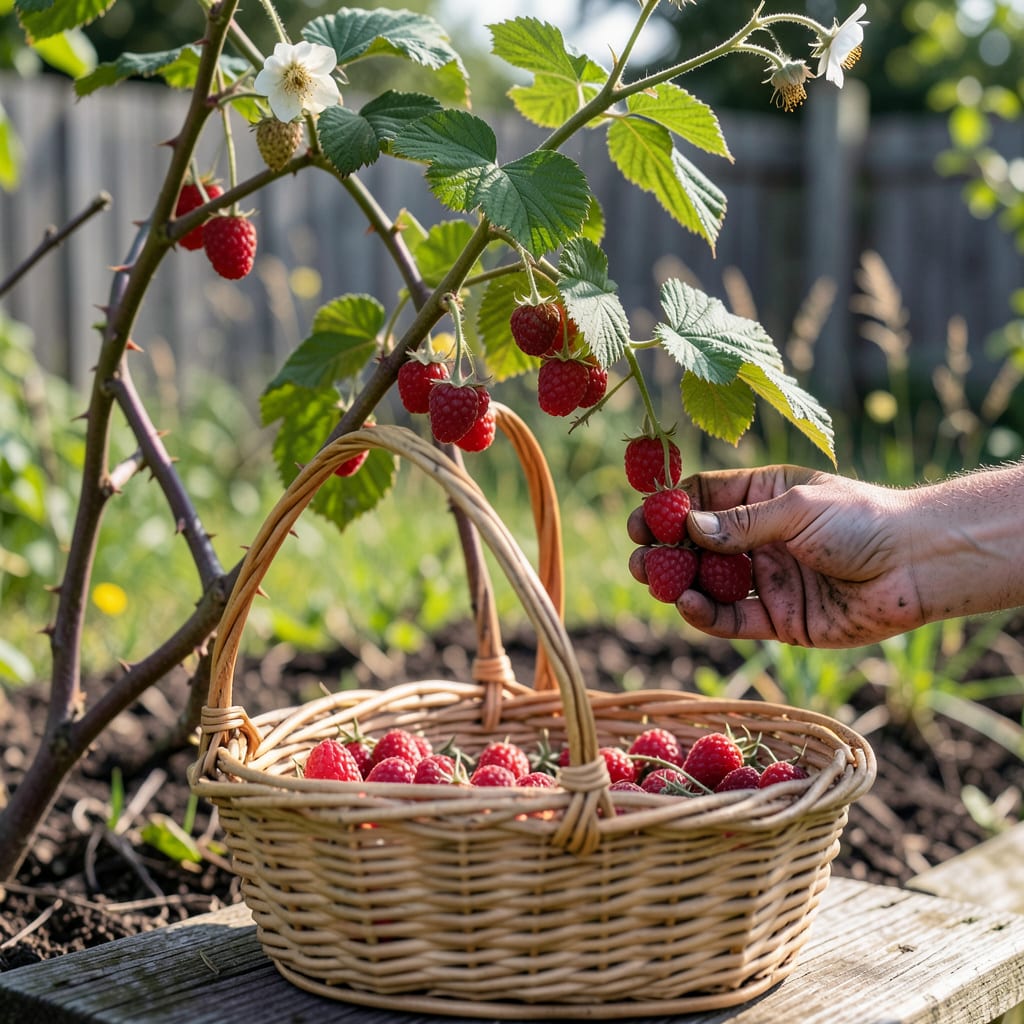
There’s nothing quite like the taste of a perfectly ripe raspberry—plucked straight from the cane at its peak of sweetness. But timing that harvest? That’s where many gardeners miss out on the juiciest rewards of their hard work.
I’ve spent seasons watching my 🍓 raspberries transform from hard green nubs to glossy, sun-warmed gems. The difference between “almost ready” and “just right” is subtle but game-changing. Let me show you how to nail that sweet spot—every single time.


I’ve learned the hard way that raspberries won’t ripen once picked—so timing is everything. The secret? Look beyond just color. A fully ripe raspberry should practically fall into your hand with the gentlest tug. If you’re yanking, it’s not ready yet.
Different varieties give different clues. Red raspberries turn a deep, almost glossy crimson, while black raspberries shift from shiny purple to dull black. Golden raspberries lose their green shoulders entirely. Size matters too—most reach 1–1.5 inches when ripe.
Here’s my foolproof test: Roll a berry between your fingers. If it’s slightly squishy (but not mushy) and smells sweetly aromatic, it’s prime for picking. Underripe berries feel hard and smell grassy. Overripe? They’ll be leaky or fermented—best left for the birds.
Summer-bearing varieties (like ‘Heritage’ or ‘Boyne’) ripen all at once over 2–3 weeks in early summer. Fall-bearing types (such as ‘Autumn Bliss’) produce two crops: a small summer batch and a heavier fall harvest. Mark your calendar—once they start, you’ll be picking every 2–3 days!
Watch the stem attachment. A ripe raspberry leaves behind a hollow core (that little white plug) when picked. If the core stays attached, the berry wasn’t ready. This is why I always use my thumbnail test: Press gently. Ripe berries yield slightly; unripe ones resist.
Avoid the common mistake of harvesting after rain. Wet berries spoil faster and can develop mold. I wait until late morning—after dew evaporates but before afternoon heat—when berries are dry but still cool. This keeps them fresher longer in storage.
If you’re growing organic raspberries, check for pest damage as you pick. Berries with tiny holes or chewed edges should be discarded (or fed to chickens!). Healthy berries store better—keep them in shallow containers to avoid crushing the bottom layer.
First-time growers often ask: “Can I pick raspberries when they’re pink?” Nope! Pink means they’re underripe and will taste sour. Wait until the color is uniform and rich. For black raspberries, that means no red streaks—just deep, even black.
Finally, trust your senses. A perfectly ripe raspberry will have a sweet, floral aroma even before you taste it. If it smells like nothing? Leave it for another day. I’ve found that berries picked at peak ripeness stay fresh 3–5 days in the fridge—twice as long as early picks! 🍓
Timing isn’t just about ripeness—it’s also about when you pick during the day and season. I’ve found that morning harvests (before 10 AM) yield the sweetest, most flavorful berries. The cooler temps help preserve their delicate texture and natural sugars.
Seasonal shifts play a huge role too. Summer-bearing varieties typically ripen in June-July, while fall-bearing types produce from August-October. Your local climate may shift these windows by 2-3 weeks, so watch your plants closely as temperatures change.
💡 Pro tip: Use shallow containers to prevent crushing lower layers during harvest.
For fall-bearing raspberries, watch for cooler nights (below 50°F) which signal the plant to redirect energy into fruit production. This is when you’ll see the fastest ripening—sometimes daily! I keep a harvest journal to track these patterns year to year.
The humidity factor often gets overlooked. In high-humidity climates, berries may develop more fungal pressure, so pick slightly underripe to avoid rot. Arid regions let you wait for full ripeness since dry air extends shelf life by 2-3 days post-harvest.
Don’t forget post-harvest handling. Raspberries last longest when refrigerated unwashed in a single layer on paper towels. For freezing, spread on a tray first to prevent clumping—this preserves that just-picked texture for months. I label my bags with the variety and date to track flavor changes.
Remember that bird competition peaks at dawn too. If you’re sharing your crop with feathered friends, time your harvests just after sunrise when birds are most active. A lightweight netting applied the evening before can save your ripest berries for your own basket. 🌿
When your raspberries stay stubbornly green or hard despite warm weather, don’t panic—there’s usually a fixable reason. I’ve dealt with my share of slow-ripening canes, and the culprit is often simpler than you think. Let’s troubleshoot the most common issues before your harvest window slips away.
The first place I check is watering consistency. Raspberries need 1–2 inches of water weekly, but both drought and soggy soil can stall ripening. Stick your finger 2 inches into the soil—if it’s bone dry or waterlogged, adjust your schedule. Mulching with straw or wood chips helps maintain even moisture.
💡 Quick fix: A foliar spray of seaweed extract can jumpstart ripening in stressed plants.
If your berries are unevenly ripening, check for nutrient deficiencies. Yellowing leaves with green veins scream iron deficiency—fix with chelated iron. Purple stems or leaf edges? That’s phosphorus lack—add bone meal. I keep a soil test kit handy to catch these early.
Temperature swings can also confuse your plants. Raspberries ripen best between 70–75°F. If you’re facing a heatwave (above 85°F), provide afternoon shade cloth to prevent sunscald. In cool snaps (below 60°F), cover plants with floating row covers to trap warmth and speed ripening.
When all else fails, prune strategically. Remove any weak or diseased canes—they sap energy from fruit production. Thin canes to 4–6 strongest per hill for better air circulation and sunlight penetration. I’ve seen this simple step turn a struggling patch into a bountiful harvest in just 2 weeks. 🌱
Check your plants every 2-3 days once they start ripening. Raspberries don’t all mature at once—they ripen in waves. Summer varieties may need daily checks at peak season, while fall-bearing types often produce more gradually.
Use the gentle twist method: hold the berry between your fingers and give it a slight twist. Ripe ones will come off easily, leaving the core on the plant. Never pull hard—this can damage next year’s canes. Small scissors work for stubborn berries.
Evening picking is fine if you avoid wet berries from dew or rain. The flavor won’t be quite as concentrated as morning harvests, but it’s better than waiting until the next day. Just refrigerate them immediately to preserve freshness.
This usually means they were picked too early. Full color doesn’t always equal full ripeness—wait until they detach easily and smell sweet. Hot weather can also cause this; provide afternoon shade if temps exceed 85°F.
Store them unwashed in a single layer on paper towels in a shallow container. They’ll keep 3-5 days in the fridge. For longer storage, freeze on a tray first, then transfer to bags. This prevents that mushy texture when thawed.
