
Beautiful Plants For Your Interior
Beautiful Plants For Your Interior
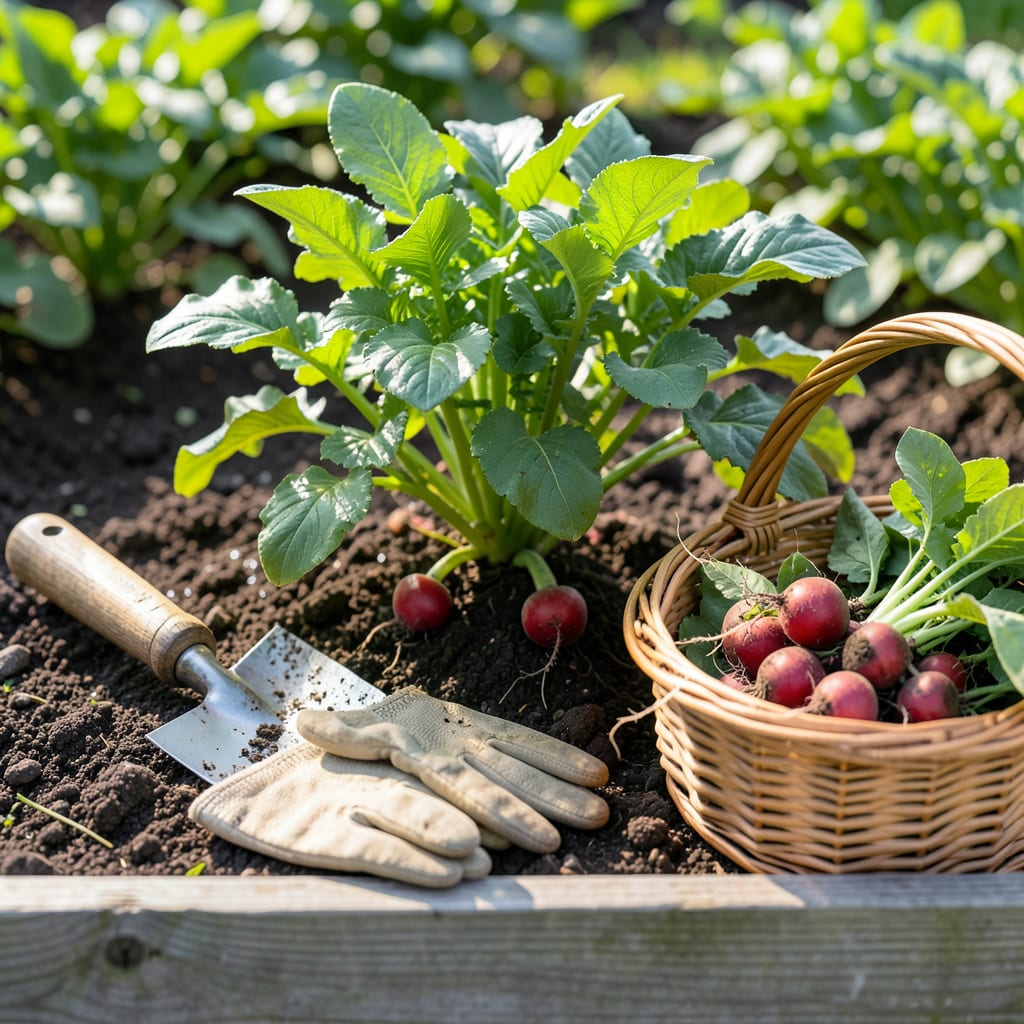
There’s nothing quite like the crisp, peppery bite of a perfectly harvested 🥕 radish—until you pull one that’s turned woody or bitter. That heartbreaking moment happens when timing slips by just a few days, and suddenly your spring crop goes from garden gem to compost fodder.
I’ve learned the hard way that radishes don’t wait for anyone. Whether you’re growing Cherry Belle or Daikon, knowing exactly when to act makes all the difference. Let me show you how to read the subtle signs—from leaf size to root firmness—so you’ll never second-guess your harvest again.


Radishes practically scream when they’re ready—if you know what to look for. The root diameter is your first clue: most varieties hit their peak at 1-2 inches wide. But don’t just eyeball it; I’ve pulled many radishes that looked ready only to find they were still soft inside.
Your leaf growth tells another story. When the foliage spreads wider than the root itself and stands upright, that’s nature’s green light. And here’s a pro trick: gently brush away soil to check the shoulder color—it should match the variety’s mature hue.
The soil moisture at harvest time matters too. I always check after a light watering—dry soil makes pulling harder and can snap tender roots. And timing? Morning harvests yield the crispiest radishes because they’re plump with overnight moisture.
Watch for over-maturity signs: cracking, pithy centers, or leaves bolting upward. These mean your radishes are past their prime. I once left a row of French Breakfast radishes just 3 days too long—they went from crisp to spongy overnight.
For Daikon varieties, patience is key. Their longer growth period means checking weekly after day 35. Gently dig around one test radish to assess size without disturbing neighbors. The skin should feel smooth and taut, not wrinkled.
Color changes are your final confirmation. Cherry Belle radishes develop that signature bright red blush, while Easter Egg varieties show their true hues. If you’re growing Black Spanish, wait until the skin turns deep charcoal—pale means it needs more time.
Don’t forget the sniff test! Mature radishes have a faint peppery aroma at the soil line. No smell usually means they’re not quite ready. I keep a small trowel handy to test-pull one radish when in doubt—better to sacrifice one than the whole row.
Remember that fall radishes often mature slower than spring plantings due to cooling temps. Adjust your expectations by 3-5 days if you’re growing in autumn. And if you’re succession planting, mark your calendar for every 10 days to maintain continuous harvests.
Finally, trust your instincts. After harvesting a few crops, you’ll develop an eye for that perfect radish—firm but not hard, colorful but not dull. That’s when you know you’ve mastered the art of radish timing. ✂️🌱
Radishes grown in spring’s cool soil mature faster than their fall-planted cousins, often ready in just 20-30 days. I’ve noticed spring radishes thrive when daytime temps stay below 75°F, while fall crops handle slightly warmer soil as days shorten.
The secret? Watch your USDA zone. In zone 6, I plant spring radishes by early April for May harvests, while fall sowings go in late August for October picking. This timing avoids bolting in heat and freeze damage in cold.
| Season | Planting Window | Harvest Timeframe | Key Consideration |
|---|---|---|---|
| Spring | 4-6 weeks before last frost | 25-30 days after sowing | Avoid planting too early in cold soil |
| Fall | 6-8 weeks before first frost | 30-40 days after sowing | Requires consistent moisture as days cool |
Fall radishes often develop deeper color and sharper flavor thanks to cooler nights. I recommend checking soil temps with a thermometer—fall radishes prefer 50-65°F soil, while spring radishes tolerate down to 45°F.
For succession planting, I sow new seeds every 10-14 days until temps exceed 80°F. This staggered approach guarantees fresh radishes all season. Remember: Daikon varieties need 10 extra days compared to Cherry Belle types.
Morning harvests yield the crispest texture, as roots absorb moisture overnight. Use a fork to gently loosen soil before pulling—this prevents breaking delicate roots. Store with tops removed in the fridge for up to 2 weeks.
Pro tip: If leaves start yellowing or roots crack, you’ve waited too long. These signs mean flavors turn bitter and texture gets woody. When in doubt, pull one test radish to check size and firmness.
Even experienced gardeners sometimes sabotage their radish harvests without realizing it. The most common blunder? Waiting too long to pull them. I learned this the hard way when my entire row of French Breakfast radishes turned woody after just 3 extra days in the ground.
Another frequent mistake is harvesting too early. Those tiny radishes might look cute, but they lack the signature peppery crunch. I always check by gently squeezing the soil near the root—if it feels like a firm marble, it’s ready. If it’s soft or spongy, give it more time.
⚠️ WARNING: These 3 mistakes will ruin your radishes
Pro tip: Always harvest in the cool morning for maximum crispness!
The third critical error involves harvest technique. Never yank radishes by their leaves—this often breaks the root. Instead, I loosen the soil with a hand fork first, then gently pull while supporting the base. This prevents those frustrating moments when the tops come off but the radish stays buried.
Soil conditions play a bigger role than most realize. Compacted soil makes pulling difficult and can damage roots. I always work in plenty of compost before planting to create loose, crumbly soil that releases radishes easily. If your soil is heavy clay, consider growing in raised beds for better results.
Finally, don’t ignore the weather forecast. A sudden heatwave can make radishes bolt overnight. I once lost an entire crop when temps jumped to 85°F. Now I keep row covers handy for unexpected warm spells, especially with spring plantings. ✂️🌱
Gently brush away soil from the top of the root to check its diameter. Most varieties are ready at 1-2 inches wide. You can also test by feeling the root through the soil—it should feel firm like a marble.
Overmature radishes become woody, develop a bitter taste, and may crack or split. The texture changes from crisp to spongy within just 2-3 days past their prime. Always check daily once they near maturity.
Morning is ideal because radishes absorb moisture overnight, making them extra crisp. Harvesting in the cool morning also prevents wilting. If you must harvest later, water the bed lightly 2 hours beforehand.
Stagger your harvest by pulling the largest radishes first, leaving smaller ones to mature. This extends your harvest window. For continuous supply, sow new seeds every 10-14 days until temperatures exceed 80°F.
Bolting usually occurs from heat stress or inconsistent watering. When temperatures exceed 75°F, radishes focus on flowering instead of root development. Use shade cloth and maintain even moisture to prevent this.
