
Beautiful Plants For Your Interior
Beautiful Plants For Your Interior
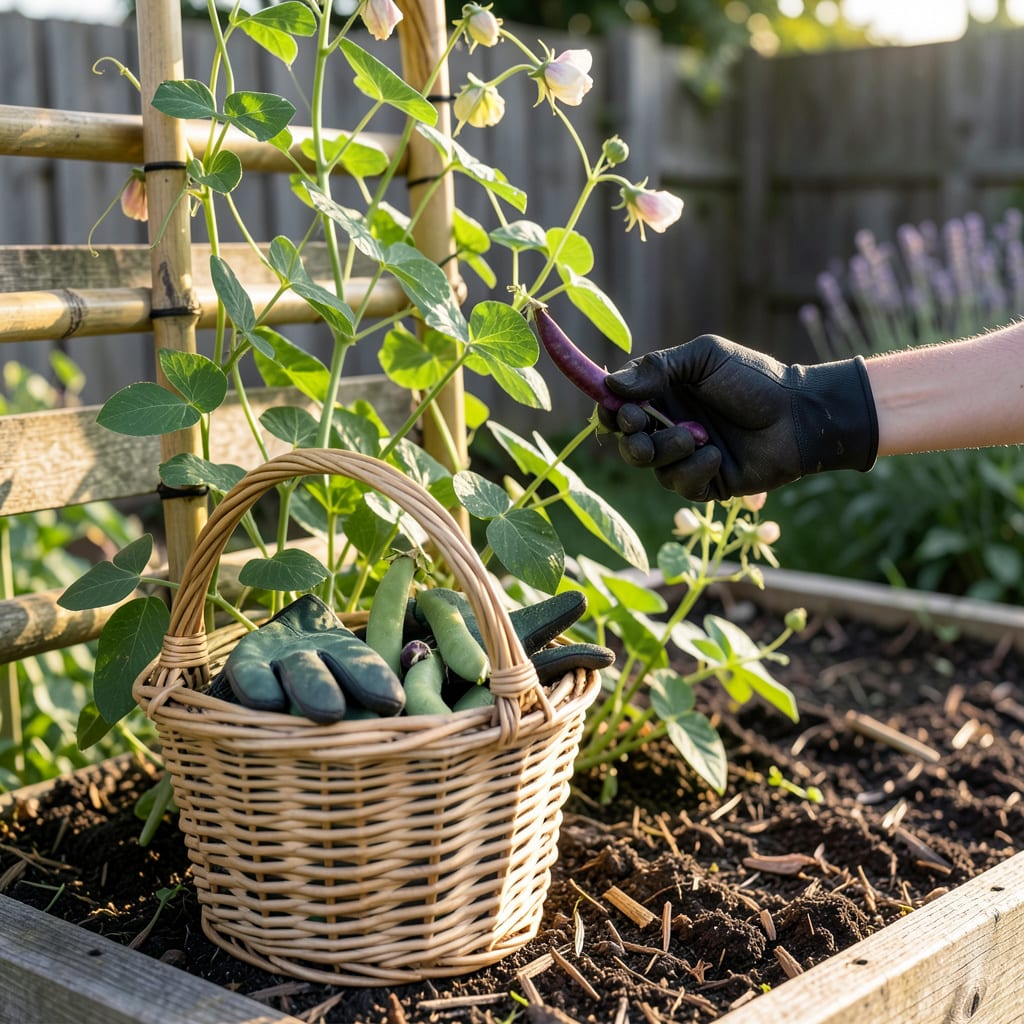
There’s nothing worse than waiting months for your 🌱 Purple Hull Peas only to pick them too early—or too late. That sweet spot between tender and tough can feel like a guessing game, but it doesn’t have to be.
I’ve learned the hard way that timing is everything. In just 60-70 days, your pods will reveal clear signs they’re ready—if you know what to look for. Let’s cut through the uncertainty so you can harvest at the perfect moment, every time.


After 60-70 days of careful tending, your purple hull peas will start whispering they’re ready—but you’ve got to listen closely. The trick isn’t just counting days; it’s about reading the visual and tactile clues your plants give off. I’ve ruined batches by trusting the calendar alone, so let’s focus on what really matters.
First, forget the myth that all peas ripen uniformly. Even on the same vine, pods can mature at slightly different rates. That’s why I check plants every 2-3 days once they hit the 50-day mark. The difference between perfect and past-prime can be just 48 hours in hot weather. 🌱
| Harvest Sign | What to Look For | Why It Matters |
|---|---|---|
| Pod Color | Deep purple (not green or pale) | Indicates full sugar development and seed maturity |
| Pod Size | 4-6 inches long, uniformly plump | Ensures beans inside are fully formed but not overgrown |
| Texture Test | Firm snap when bent (like a green bean) | Confirms optimal tenderness—no stringiness or mush |
| Seed Check | Open 1 pod: beans should be firm and uniform | Prevents harvesting immature or overripe seeds |
| Days to Maturity | 65-70 days from planting (adjust for climate) | Baseline timeline—watch plants, not just the calendar |
The color test is your first red flag—or in this case, purple flag. Immature pods stay dull green or streaky, while ready ones turn a rich, even purple. I use my phone’s flashlight to check undersides of pods where color develops first. If it’s still patchy, give it 2 more days. 🌿
Size matters more than you think. Pods shorter than 4 inches often contain underdeveloped beans, while those over 6 inches risk toughness. Measure a few samples with a ruler until your eye gets trained. Pro tip: The widest pods (about the diameter of a pencil) usually hold the plumpest beans.
Here’s where most gardeners mess up: the snap test. A ready pod should break cleanly with a sharp “snap” when bent—like a fresh green bean. If it bends like rubber or feels spongy, it’s not ready. If it shatters or feels fibrous, you’ve waited too long. Practice on a few pods daily to hone your technique. ✂️
Don’t skip the seed inspection. I sacrifice one pod every other day starting at day 55. Slice it open: beans should be uniform in size, firm to the touch, and fill the pod without crowding. If they’re shriveled or have dark spots, you’ve missed the window. Perfect beans look like tiny jade pills—smooth and vibrant.
Weather throws a wrench in timelines. In hot climates (Zone 7+), peas may mature 5-7 days faster than the seed packet claims. Cool springs (Zone 5-6) can delay harvest by up to 10 days. I keep a garden journal to track yearly variations—last year’s late frost pushed my harvest back a full week!
One mistake I see often? Waiting for all pods to ripen at once. Purple hull peas produce in flushes, so harvest ready pods every 2-3 days to encourage more production. Use sharp scissors or fingernails to avoid damaging vines. Always pick in the morning when pods are crispest—afternoon heat can make them limp. 💧
If you’re saving seeds, leave a few pods on the vine until they turn brown and papery (about 80 days). For eating, though, stick to the purple stage—once pods darken, the beans inside turn starchy and mealy. I learned this the hard way after ruining a batch of “southern-style” peas by waiting too long.
If you’ve ever wondered why your neighbor’s purple hull peas are ready before yours, the answer often lies in the weather. I’ve seen heat waves speed up maturity by a week, while cool spells can delay it just as long. Understanding these shifts helps you adjust your harvest window with confidence.
In the Southern U.S., where summers sizzle, peas often mature faster—sometimes in as few as 60 days. But in cooler Northern zones, you might wait closer to 70 days. Soil temperature and moisture play huge roles too, so let’s break it down.
I always remind gardeners that consistent moisture is critical. Peas stressed by drought will mature unevenly, leaving you with some pods ready while others lag. A drip irrigation system or soaker hose can help maintain even soil moisture without wetting the foliage.
For those in USDA Zones 6-8, aim to plant in early spring for a late May/June harvest. In Zones 9-10, you can sneak in a fall crop too—just watch for frost sensitivity. Purple hull peas thrive in warmth but won’t tolerate temperatures below 32°F.
If you’re dealing with a short growing season, start seeds indoors or use black plastic mulch to warm the soil faster. This trick can shave 7-10 days off your time to harvest, giving you a head start on summer’s heat.
Finally, don’t forget that variety matters. Some purple hull cultivars, like ‘Mississippi Purple,’ mature faster than others. Always check your seed packet for specific days-to-maturity guidance and adjust based on your local conditions.
By tuning into these factors, you’ll master the art of timing—no more guessing games, just perfectly ripe peas every season. 🌱
You’ve nailed the harvest timing—now the clock’s ticking to preserve that fresh-picked flavor. Purple hull peas start losing sweetness within 6 hours of picking, so your post-harvest routine matters just as much as the timing. I’ve ruined perfect batches by leaving them in a sunny windowsill “just for a minute.” Let’s avoid that! 🌿
First, get those pods out of the heat. I toss mine into a cool, shaded bucket lined with a damp towel to prevent wilting. If you’re harvesting in the morning (ideal!), you’ve got until noon to process them before quality drops. For afternoon picks, work even faster—high temps accelerate sugar loss.
| Post-Harvest Step | How to Do It | Why It Matters |
|---|---|---|
| Cooling | Place in shade or fridge within 30 mins | Stops sugar breakdown and wilting |
| Shelling | Twist pods to split, then push beans out | Prevents tough skins from forming |
| Rinsing | Gently wash in cold water | Removes dirt without softening beans |
| Drying | Pat with towel, spread in single layer | Preps for storage or freezing |
| Storing | Fridge (3-5 days) or freeze | Maximizes freshness and flavor |
Shelling is where most folks slow down—but speed matters here too. I set up a shelling station with a colander, bowl, and compost bin. Hold the pod’s stem end, then squeeze and zip downward to pop it open. The beans should tumble out easily; if they stick, the pod wasn’t quite ripe. 🪴
For short-term storage, unwashed pods keep 2-3 days in the fridge’s crisper drawer. Shelled beans last 3-5 days in a sealed container. But for long-term use, freezing is your best bet: blanch shelled beans for 2 minutes, cool in ice water, then freeze in single layers before bagging.
Avoid the plastic bag trap—trapped moisture turns beans mushy. Instead, use paper towels inside containers to absorb excess humidity. If you’re saving seeds, spread unshelled pods in a single layer in a dry, airy spot for 2 weeks until fully dried and rattly. ✂️
Pro tip: Label everything! I once mixed up my ‘Mississippi Purple’ seeds with black-eyed peas—what a disappointment when they sprouted the wrong plant. Note the variety and date on storage bags to track viability (seeds stay good for 2-3 years if stored properly).
Start inspecting pods daily once they hit 50 days old. The window between perfect and overripe can be as short as 48 hours in warm weather. Morning checks are best when pods are firmest.
Evening harvesting works, but process them immediately. Pods picked in heat may wilt faster. If you must wait, place them in a cool, shaded bucket with a damp towel to preserve freshness.
Leave them on the vine but mark them with a twist tie. Check again in 2 days—most will catch up. Avoid pulling or twisting immature pods, as this can damage the plant’s future production.
Overripe pods turn dull brown and feel fibrous when snapped. The beans inside become hard and mealy. If you see these signs, harvest immediately for seed saving instead of eating.
Harvesting every 2-3 days signals the plant to produce more. Use clean scissors to avoid tearing vines. Regular picking can extend your harvest season by 2-3 weeks in ideal conditions.
