
Beautiful Plants For Your Interior
Beautiful Plants For Your Interior
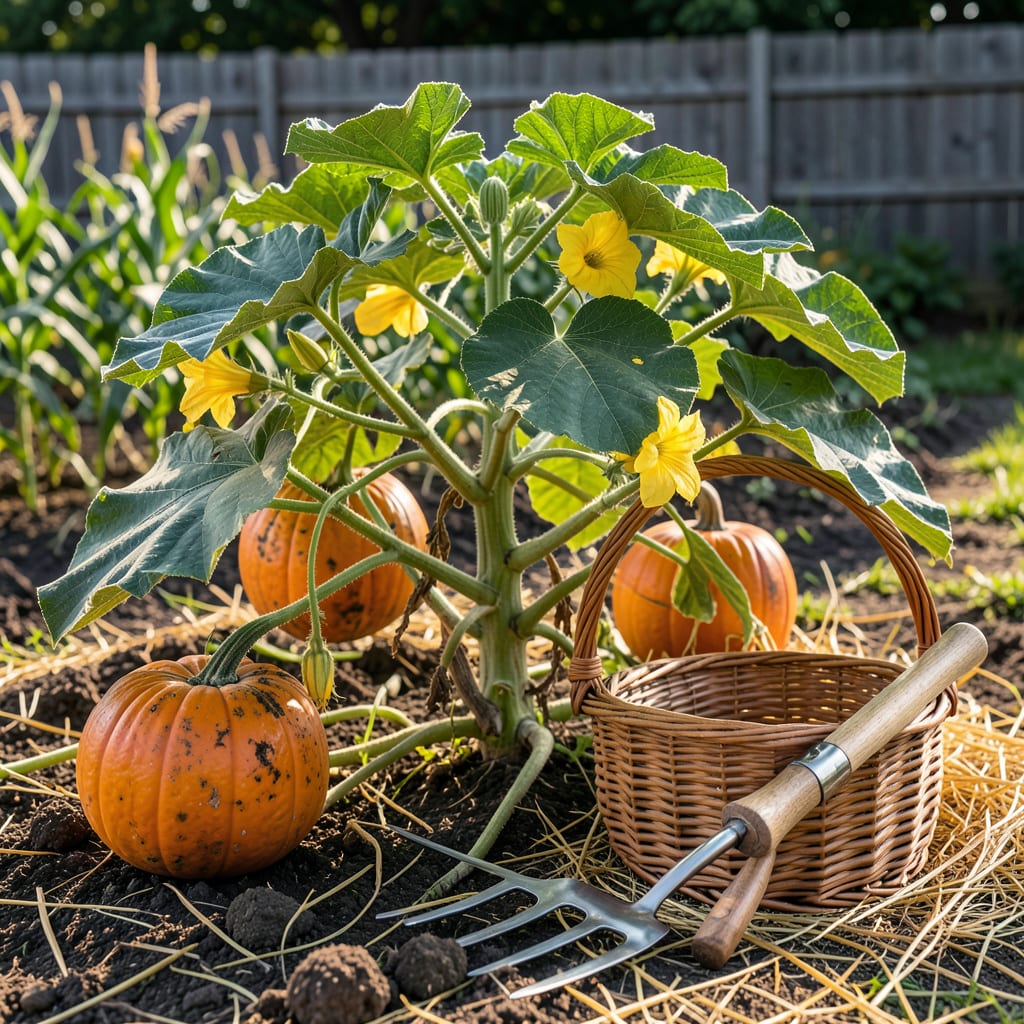
That moment when you finally get to harvest your 🎃 pumpkins—only to realize half are underripe and the others are already softening. Sound familiar? Timing is everything when it comes to picking pumpkins, and even a few days can mean the difference between a perfect harvest and a disappointing one.
I’ve learned the hard way that waiting for the right signs—like a hard rind and deep color—beats guessing based on the calendar. Whether you’re growing jack-o’-lanterns or pie varieties, I’ll show you exactly how to nail the timing every season. No more second-guessing when to cut that vine.


Nothing’s worse than cutting into a pumpkin only to find it’s not ready. Over the years, I’ve learned that visual cues and tactile tests beat calendar dates every time. The first sign I check is rind hardness—if my thumbnail leaves a mark, it’s not ready. 🎃
A deep, uniform color is another dead giveaway. Carving pumpkins should be solid orange, while pie varieties like Sugar Pie may have a slightly tan hue. I also listen for a hollow sound when I tap the pumpkin—it’s like thumping a watermelon!
| Sign | What to Look For | Example Varieties |
|---|---|---|
| Hard rind | Thumbnail doesn’t puncture skin | Howden, Atlantic Giant |
| Deep color | No green patches; uniform hue | Sugar Pie, Cinderella |
| Dry stem | Woody, brown, not green | Jarrahdale, Lumina |
| Hollow sound | Thud when tapped lightly | All varieties |
| Vine dieback | Leaves yellowing/drying | Musquée de Provence |
*Pro tip: Test multiple pumpkins—ripeness can vary even on the same vine!
The stem’s condition tells me a lot too. A green, flexible stem means the pumpkin’s still drawing nutrients. Once it turns brown and corky, harvest time is near. I avoid picking if the stem is wet or moldy—that’s a sign of over-ripeness or disease. ✂️
Don’t ignore the vines! When the leaves closest to the pumpkin start yellowing and dying, the plant is redirecting energy away from the fruit. This is nature’s way of saying, “Time to harvest!” I mark this stage on my calendar as the 2-week warning. ⏰
For pie pumpkins, I add a scent test. A ripe Sugar Pie or Long Island Cheese will have a sweet, earthy aroma at the stem end. No smell? It’s not ready. Too strong? It might be overripe. Trust your nose—it’s more reliable than you think! 👃
If you’re growing white pumpkins like Lumina or Casper, color isn’t helpful. Instead, focus on rind hardness and vine dieback. I’ve found these varieties often mature 5–7 days earlier than orange types, so start checking at 85 days after planting. 🌡️
Remember: Frost is the enemy. Even a light frost (32°F) can damage pumpkins. If cold weather’s coming, harvest anything with a hard rind, even if the color isn’t perfect. They’ll ripen indoors, but frost-damaged pumpkins won’t store well. 🪴
Finally, size matters—but not how you think. A pumpkin that’s reached its expected size (check the seed packet) and shows other ripe signs is ready, even if it’s smaller than neighbors’. I’ve had dwarf varieties like Jack Be Little fool me by looking “too small” when they were actually perfect! 🎃
Timing your pumpkin harvest isn’t one-size-fits-all. Jack-o’-lantern types like Howden or Connecticut Field mature faster than sugar pumpkins for pies. I always check the days-to-maturity on seed packets—typically 90–120 days from planting. 🎃
For giant varieties like Atlantic Giant, patience is key—they need 130–160 days to reach full size. In cooler USDA zones 3–5, I start seeds indoors to extend the growing season. Warmer zones (6–9) can direct-sow later but watch for early frost warnings. ☀️
| Variety | Primary Use | Days to Maturity | Ideal Harvest Window |
|---|---|---|---|
| Howden | Carving | 100–110 | Late Sept–Oct |
| Sugar Pie | Baking | 95–105 | Early–mid Oct |
| Atlantic Giant | Competition | 130–160 | Mid–late Oct |
| Cinderella | Decorative | 100–120 | Late Sept–Oct |
| Jarrahdale | Storage | 110–120 | Early–mid Oct |
*Adjust for local frost dates—harvest before first hard frost (below 28°F).
In short-season areas (like USDA Zone 3), I prioritize early-maturing varieties like Small Sugar (90 days). For longer seasons (Zones 7–9), you can experiment with late-maturing heirlooms like Musquée de Provence (120+ days). Always count backward from your average first frost date. ⏰
Pie pumpkins need extra attention—they’re best harvested when fully orange and the rind resists fingernail pressure. Carving types can tolerate slight under-ripeness if frost threatens, but flavor suffers. I use a refractometer for sugar content if I’m growing for pies—aim for 10–12% Brix. 🌡️
For giant pumpkins, watch the vine health—once it starts yellowing and dying back, harvest within 1–2 weeks. Use a sharp pruner to cut the stem (leave 3–4 inches attached). Never lift by the stem—support the bottom to avoid bruising or cracks. ✂️
Pro tip: If light frosts (30–32°F) are forecast, cover pumpkins with frost blankets to buy a few extra days. But if hard frost (below 28°F) is coming, harvest immediately—even if slightly underripe. Store in a cool, dry place (50–55°F) to ripen further. 🪴
Timing your pumpkin harvest is like walking a tightrope—pick too soon, and you’ll end up with underdeveloped flesh that lacks sweetness. I’ve ruined more than a few pies by harvesting Sugar Pie pumpkins before they fully matured. Their starches haven’t converted to sugars, leaving them bland and watery. 🎃
Leave them too long, and you risk rot, splits, or pest damage. Overripe pumpkins develop soft spots and attract squirrels or insects. I once lost a prize Atlantic Giant to raccoons because I waited a week too long. The rind becomes mushier, and storage life plummets from months to days. ⏰
*Sweet spot: Harvest when rind is hard, color is deep, and vines start dying back.
If you’ve picked pumpkins slightly early, don’t panic. Place them in a warm, sunny spot (70–80°F) for 7–10 days to ripen further. I’ve saved underripe Cinderella pumpkins this way—their skin hardens and color deepens with time. Check daily for soft spots or mold. ☀️
For overripe pumpkins, salvage what you can. Scoop out seeds for roasting or compost the flesh. If the rind is still intact, hollow and use as a decorative planter for fall mums or succulents. I once turned a split Jarrahdale into a rustic centerpiece—just seal cracks with beeswax. ✂️
Prevent mistakes by tracking days to maturity from planting and watching vine health. When leaves yellow and new growth stops, harvest within 1–2 weeks. Use the thumbnail test: if you can’t puncture the rind, it’s ready. And always harvest before the first hard frost—even if it means cutting a few days early. 🌡️
Check for a hard rind that resists fingernail pressure and a deep, uniform color. The stem should be dry and woody, not green. A ripe pumpkin also sounds hollow when tapped.
Overripe pumpkins develop soft spots, attract pests, and may split. Their flesh becomes stringy, and storage life drops dramatically. Harvest within 1–2 weeks of vine dieback.
Yes, if frost threatens! Green pumpkins will ripen indoors in a warm, sunny spot (70–80°F). They won’t be as sweet but work for decor. Avoid picking if the rind is still glossy.
Cure them in the sun for 7–10 days, then store in a cool, dry place (50–55°F). Keep stems intact and avoid stacking. Properly cured pumpkins last 2–3 months.
