
Beautiful Plants For Your Interior
Beautiful Plants For Your Interior
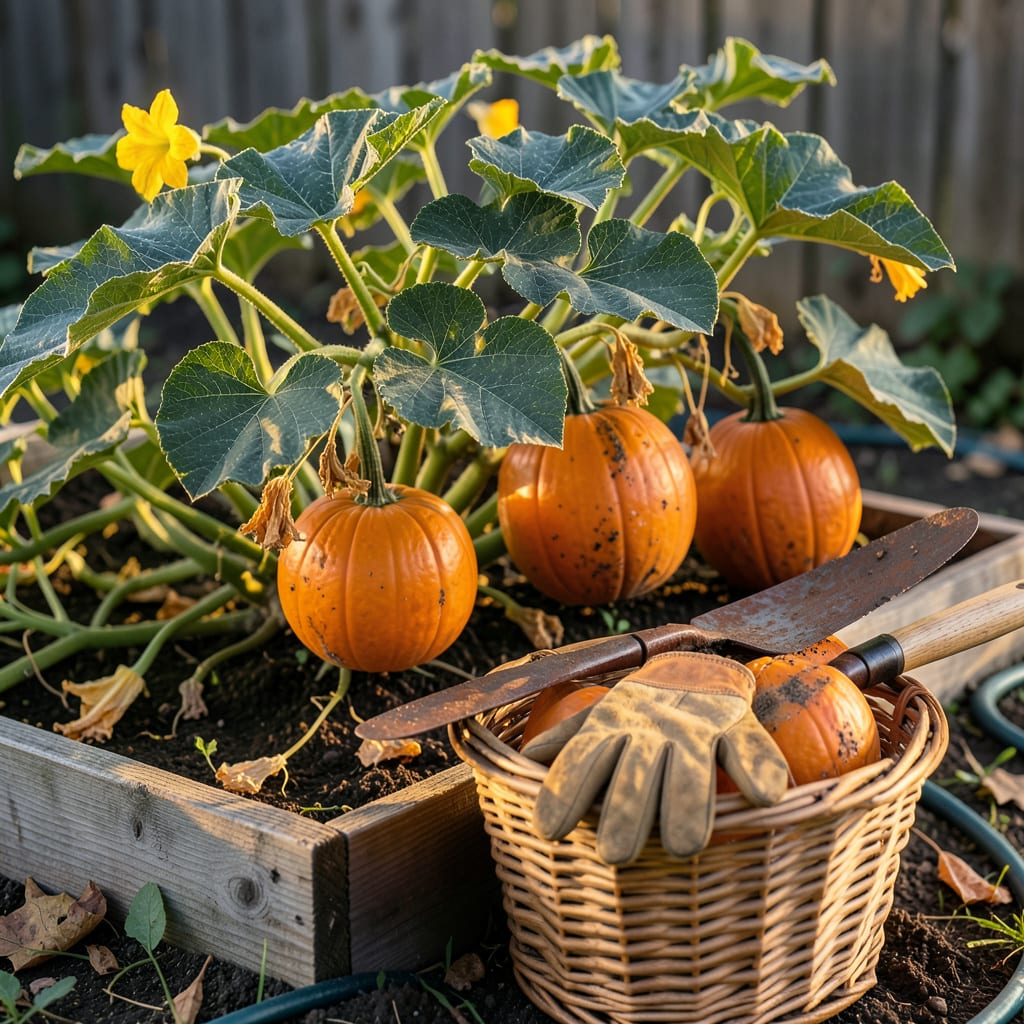
That moment when your 🎃 pumpkins finally look ready—but are they truly ripe? Picking too soon means bland flavor and soft flesh, while waiting too long risks rot or split skins. After months of tending vines, the last thing you want is a harvest that falls short.
I’ll show you the foolproof signs to watch for—from rind hardness to stem clues—so you can confidently pluck pumpkins at their peak. Whether you’re growing for pies, jack-o’-lanterns, or storage, timing makes all the difference. Let’s get it right the first time.


After months of watching your pumpkin vines sprawl and flowers bloom, the big question arrives: Is it time to harvest? Unlike tomatoes or peppers, pumpkins don’t keep ripening once picked, so timing is critical. I’ve learned the hard way that size alone isn’t enough—you need a combo of visual and tactile clues.
Most pumpkins reach maturity in 90–120 days, but weather and variety play huge roles. Instead of counting days, I focus on the rind, stem, and color. A fully ripe pumpkin will practically tell you it’s ready if you know what to look for. Let’s break down the foolproof signs.
⚠️ Common Mistake: Don’t yank pumpkins by the stem! Use pruning shears to leave 2–3 inches of stem attached for longer storage.
Here’s a trick I swear by: Check the vine health. When pumpkins are nearly ready, the leaves closest to the fruit start yellowing and dying back. This is the plant’s way of saying, “Mission accomplished!” But if the vine is still lush and green, give it more time—unless frost is in the forecast.
For pie pumpkins like Sugar Pie or New England Pie, I wait until the rind turns tan or buff, not orange. These varieties are sweeter when fully mature, and their skin toughens up for better baking. Carving types (Howden, Connecticut Field) can handle a slightly earlier pick if you’re racing against frost.
Ever heard the myth that pumpkins ripen after picking? Not true! Unlike tomatoes, pumpkins won’t sweeten or change color once severed from the vine. That’s why I always do the thumbnail test twice—once on the side facing the sun, once on the shaded side—to ensure even ripeness.
If you’re growing giant pumpkins (Atlantic Giant, Big Max), watch for the “ground spot”—the area touching soil—to turn from green to orange. These behemoths often ripen slower, so I start testing at 120 days and monitor daily. Their stems can be deceivingly sturdy, so rely more on rind hardness.
Frost warning? Harvest immediately if temps will dip below 32°F, even if pumpkins aren’t fully ripe. A light frost can damage the skin, leading to rot. I once lost half my crop overnight by ignoring a frost advisory—lesson learned! Unripe pumpkins can still be used for soups or purées if cured properly.
After harvesting, I cure pumpkins in the sun for 7–10 days to harden the skin further. This step extends storage life by months. Store them in a cool, dry place (55–60°F) on cardboard or straw—never directly on concrete, which speeds up decay.
Still unsure? Compare your pumpkin to the seed packet’s “days to maturity” and cross-check with my ripeness tests. When in doubt, harvest one test pumpkin and slice it open. The seeds should be plump and the flesh firm—not stringy or watery. Now you’re ready to pick with confidence! 🎃
Not all pumpkins ripen on the same schedule—your Jack-O’-Lantern won’t mature at the same pace as a Sugar Pie. Variety matters just as much as vine signs when timing your harvest. I’ve grown all three types, and trust me, the differences are striking.
Carving pumpkins like Howden or Connecticut Field typically hit maturity in 90-110 days, while pie varieties (think Cinderella or Long Island Cheese) often need 100-120 days. Giants like Atlantic Giant? They’re the slowpokes, requiring 120-140 days of pampering.
| Variety | Days to Maturity | Best For | Harvest Tip |
|---|---|---|---|
| Jack-O’-Lantern | 90-110 | Carving | Pick when rind is hard and glossy |
| Sugar Pie | 100-120 | Baking | Wait for deep orange color |
| Atlantic Giant | 120-140 | Competitions | Harvest before first frost |
Regional weather plays a role too. In cooler zones (like my USDA Zone 6a), I start checking pumpkins 2 weeks before first frost (around October 1). Southern growers can often wait longer, but heat can speed up maturity—keep an eye on vine dieback as your cue.
For pie pumpkins, flavor peaks when the flesh turns deep orange-yellow and the stem dries to a woody brown. Carving types are more forgiving—you can harvest them a bit early if frost threatens, but they won’t store as long. Giants need patience; rush them, and you’ll sacrifice size and density.
Pro tip: If you’re growing multiple varieties, label plants with their expected harvest dates. I use color-coded stakes—orange for carving, yellow for pie, green for giants—to track progress at a glance. It’s a game-changer when you’ve got 20 vines sprawling!
Remember, size isn’t everything. A small but ripe Sugar Pie will outshine a huge, underripe Jack-O’-Lantern every time. When in doubt, do the thumbnail test: if the skin resists pressure and the stem feels firm and dry, it’s go time. 🎃
Still unsure? Cut open a test pumpkin from each variety. The seeds should be plump and mature, and the flesh should pull away cleanly from the rind. If it’s stringy or pale, give the rest another week. Your patience will pay off in flavor and storage life! ✂️
Timing your pumpkin harvest isn’t just about patience—it’s about preserving flavor, texture, and storage life. I’ve made both mistakes: harvesting too soon (and getting mushy, bland pumpkins) and waiting too long (ending up with rotten, split skins). Let’s break down what really happens when timing goes wrong.
Picking too early is the bigger crime. Underripe pumpkins have thin, soft rinds that dent at the slightest touch. Their flesh is pale, watery, and lacks sweetness—terrible for pies or decor. Worse, they’ll rot within weeks because the skin hasn’t toughened up for storage.
✅ Recovery Tip: Slightly early pumpkins can be cured in sunlight for 10 days to improve storage. Overripe ones? Use immediately for purées or compost.
Late harvesting brings its own headaches. Overripe pumpkins develop mushy spots and may even split open from internal pressure. I once left a Cinderella pumpkin too long—it literally burst on the vine after heavy rain. The flesh turns fibrous, and the seeds start sprouting inside the fruit. Not ideal for storage!
The sweet spot is when the rind resists your thumbnail but the vine still has some green leaves. If frost threatens, harvest early and cure indoors. I lost a whole patch of Sugar Pies to an early freeze—now I watch the forecast like a hawk in October.
Here’s my salvage guide: Underripe pumpkins can be used for soups (add extra spice to compensate for blandness). Overripe ones make great compost or animal feed. For slightly late picks, carve immediately—they’ll hold shape for a few days but won’t store long-term.
Remember, pie pumpkins are less forgiving than carving types. A Jack-O’-Lantern picked a week early might still hold its shape, but a Sugar Pie will taste like disappointment. When in doubt, do the fingernail test on multiple sides—and trust the vine’s cues over the calendar! 🎃
Check for a hard rind that resists thumbnail pressure and a deep, uniform color. The stem should also feel woody and dry. A dull thud when tapped confirms it’s ready to harvest.
Overripe pumpkins develop mushy spots and may split open. The flesh becomes fibrous, and seeds can sprout inside. They also attract pests due to their sweet smell.
No, unlike tomatoes, pumpkins won’t ripen further once harvested. They must be fully mature on the vine for best flavor and storage. Underripe ones stay bland and soft.
Harvest immediately if frost threatens, even if slightly underripe. Cure them in sunlight for 7–10 days to toughen the skin. Frost-damaged pumpkins rot quickly.
Yes! Carving types mature in 90–110 days, pie varieties need 100–120 days, and giants can take 120–140 days. Always check the seed packet for specifics.
