
Beautiful Plants For Your Interior
Beautiful Plants For Your Interior
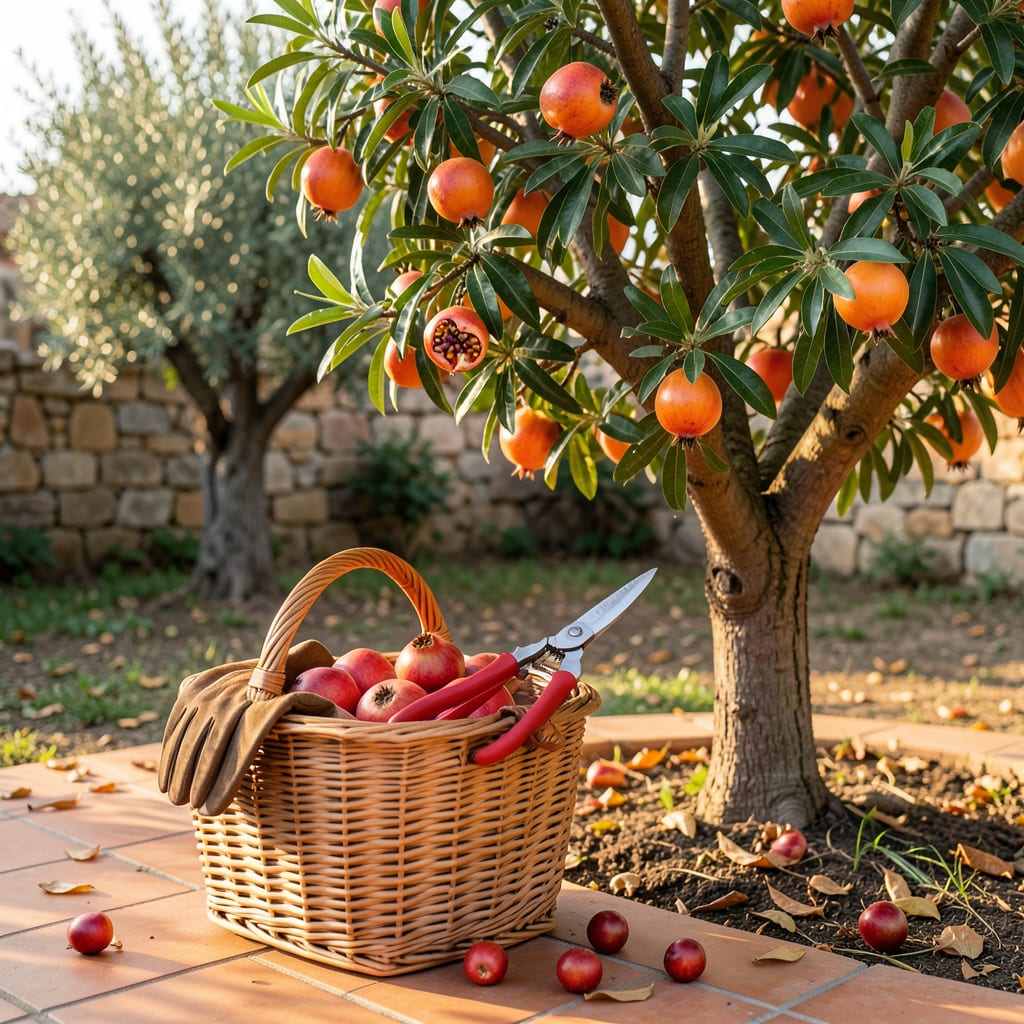
There’s nothing quite like the satisfaction of harvesting your own perfectly ripe pomegranates—juicy, sweet, and bursting with flavor. But timing is everything. Pick too soon, and you’ll get tart disappointment; wait too long, and the fruit might crack open on the tree.
I’ve learned the hard way that the 🌳 Pomegranate doesn’t always play by the calendar. Instead of guessing, I’ll show you the foolproof signs to look for—from color shifts to that telltale metallic tapping sound—so you never miss your harvest window again.


After months of watching your pomegranate tree flourish, the big moment arrives: harvest time. But how do you know when those ruby-red orbs are truly ready? I’ve wasted too many seasons picking fruit that looked ripe but tasted sour.
Turns out, pomegranates don’t always follow the calendar. Instead, they whisper their readiness through subtle clues—color shifts, weight changes, and even sounds. Here’s how to decode those signals like a pro.
I used to rely solely on color, but that’s a rookie mistake. Some varieties, like ‘Wonderful’, turn red early but need weeks more to sweeten. The sound test saved my harvest last year—no more guessing games!
Here’s a trick: Compare fruits on the same tree. The ones exposed to full sun often ripen first. If you’re still unsure, check the stem end. A ripe pomegranate’s crown (where it attaches) will look slightly dried and woody.
Timing varies by climate, but in USDA Zones 7–11, most pomegranates ripen between September and November. Coastal areas might see earlier harvests, while inland gardens could wait until late fall. When in doubt, test one fruit first!
Pro tip: Wear gloves when harvesting. Pomegranate juice stains like nobody’s business, and the thorny branches aren’t kind to bare hands. Use pruning shears to snip the fruit with a 1-inch stem—this prevents rot during storage.
Once picked, store pomegranates in a cool, dark place (like a basement) for up to a month, or refrigerate for 2–3 months. Avoid washing until ready to eat—moisture speeds up spoilage.
If you’ve ever cut open a pomegranate only to find pale, hard seeds, you’ll appreciate these signs. Next season, you’ll be harvesting fruit so sweet it’ll make store-bought versions taste like a sad joke. 🌳
If you’ve ever scratched your head wondering why your neighbor’s pomegranates ripen weeks before yours, climate and variety are the culprits. The same ‘Wonderful’ pomegranate might be ready in September in Zone 9 but still green in Zone 7 until October.
Coastal gardens with mild summers often see earlier harvests, while inland areas with hotter days may need to wait. Even microclimates—like a sunny south-facing wall—can speed up ripening by 1–2 weeks. Here’s how to pinpoint your perfect picking window.
| Variety | USDA Zones | Harvest Window | Climate Notes |
|---|---|---|---|
| Wonderful | 7–11 | Mid-Sept to Oct | Needs hot summers; ripens later in cooler zones. |
| Eversweet | 8–11 | Late Aug to Sept | Less tart; ripens 2–3 weeks earlier than Wonderful. |
| Angel Red | 7–10 | Early Oct to Nov | Cold-hardy; holds on tree longer without splitting. |
| Parfianka | 8–11 | Late Sept to Oct | Sweetest when fully deep red; prone to sunburn in desert climates. |
In Zone 7, where frosts arrive early, I’ve found that ‘Angel Red’ is the safest bet—it ripens just before the first chill. But in Zone 10, you can grow almost any variety and enjoy a longer harvest window.
Coastal gardeners (think California or Florida) often harvest 2–4 weeks earlier than inland growers. The marine layer keeps temperatures moderate, speeding up sugar development. Inland areas with hot, dry summers might need to wait longer for fruits to sweeten.
Here’s my trick for first-time growers: Mark your calendar when flowers appear. Most pomegranates take 5–7 months from bloom to harvest. For example, if your tree flowered in April, start testing for ripeness in early September.
Don’t forget elevation! Higher altitudes (above 1,000 ft) can delay ripening by 10–14 days. If you’re in the mountains, add an extra week to the harvest window in the table above. When in doubt, use the sound test from Section 1—it’s the most reliable across climates.
Once you’ve nailed the timing, store your pomegranates in a cool, dry place (60–70°F) for up to a month. For longer storage, refrigerate them whole—they’ll keep for 2–3 months and taste just-picked when opened. 🌳
Timing your pomegranate harvest isn’t just about patience—it’s about flavor and longevity. I learned this the hard way when I once picked a batch too early, only to find the seeds were hard and the juice was painfully tart. On the flip side, leaving them too long can lead to split skins and spoiled fruit.
Pomegranates won’t ripen further once picked, so that underripe fruit stays disappointingly sour. The seeds remain pale and starchy, lacking the deep red juiciness we crave. Meanwhile, overripe pomegranates become mushy inside, with fermented flavors developing within days.
The perfect window is when the fruit is heavy, deeply colored, and makes that metallic “ting” when tapped. In my experience, ‘Wonderful’ pomegranates have about a 2-week sweet spot before they start declining. Coastal growers might get an extra week, while desert gardeners should watch for cracks forming in the heat.
If you accidentally pick early, try storing the fruit in a paper bag at room temperature for a few days. While they won’t ripen like bananas, the seeds may soften slightly. For late harvests, immediately refrigerate to slow fermentation. The stem end is your warning sign—if it’s shriveled or moldy, the fruit is past its prime.
Remember: Pomegranates don’t improve after picking, so when in doubt, leave them on the tree a little longer. That extra week could mean the difference between tart disappointment and bursting, honey-sweet arils that make store-bought fruit taste like cardboard. 🌿
Listen for a metallic “ting” when you tap the fruit—it should sound like a bell. The skin should also feel slightly leathery and look deep ruby (or yellow-pink for varieties like Eversweet). A ripe one will feel heavy for its size, like it’s packed with juice.
Keep them in a cool, dark place (like a basement) for up to a month. For longer storage, refrigerate whole in a paper bag—they’ll stay fresh for 2–3 months. Avoid washing until ready to eat, as moisture speeds up spoilage.
No, they won’t ripen further once harvested. If picked too early, the seeds stay hard and tart. The only exception is slight softening if stored in a paper bag at room temp for a few days, but flavor won’t improve. Always wait for full ripeness on the tree.
Splitting happens when fruit is overripe or after heavy rain. Varieties like ‘Angel Red’ resist cracking better than others. Harvest immediately if you see splits to prevent spoilage. Hot climates? Pick slightly early to avoid this issue.
