
Beautiful Plants For Your Interior
Beautiful Plants For Your Interior
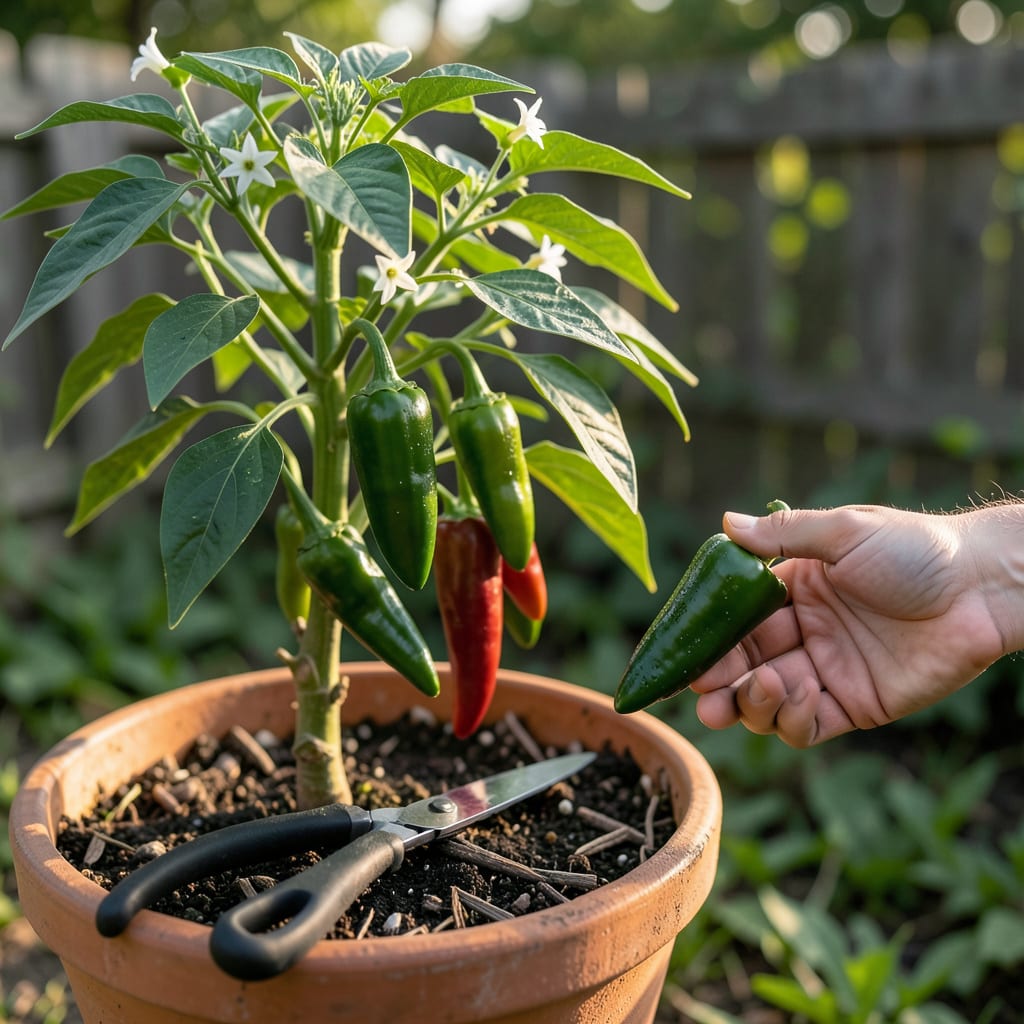
There’s nothing worse than waiting months for your poblano peppers to ripen—only to pick them too soon or too late. That perfect balance of mild heat and deep, earthy flavor hinges on timing, and I’ve learned the hard way what works (and what doesn’t).
From the first blush of color to the ideal firmness, I’ll show you the exact cues to look for. Whether you’re aiming for fresh green poblanos or fully mature red ones, nailing the harvest window means the difference between a meal that’s just okay and one that’s restaurant-worthy. Let’s get it right.


Knowing exactly when to pick poblano peppers starts with watching for visual cues. I always check the color first—poblanos transition from bright green to deep green, then to red or black when fully mature. The deeper the hue, the riper the pepper.
The size matters too. A ready-to-harvest poblano typically measures 4 to 6 inches long and about 2 inches wide. If it’s smaller, give it more time. But don’t wait too long—overripe poblanos can turn mushy or lose their signature mild, earthy flavor.
| Stage | Color | Size | Flavor Profile |
|---|---|---|---|
| Early | Pale green | 3-4 inches | Grassy, mild |
| Ideal | Dark green | 4-6 inches | Rich, smoky-sweet |
| Fully ripe | Red/black | 5-7 inches | Sweet, fruity, slightly hot |
Tip: Green poblanos are milder; red ones pack more heat and complexity.
Next, I test the firmness. Gently squeeze the pepper—it should feel firm but slightly yielding, like a ripe avocado. If it’s rock-hard, it needs more time. A soft or wrinkled skin means it’s overripe and best used immediately or dried.
Don’t forget the stem test. A poblano ready for harvest will have a sturdy stem that snaps cleanly when bent. If it resists or bends without breaking, the pepper isn’t quite there yet. I also look for a slight glossiness on the skin, which signals peak ripeness.
Timing-wise, poblanos usually reach harvest readiness in 60 to 90 days after transplanting. In my garden, I start checking around day 70 for the first flush. If you’re growing from seed, add about 10-14 extra days to that window.
Watch the weather too. A sudden heatwave can speed up ripening, while cool spells slow it down. I keep a garden journal to track these patterns—it’s helped me predict harvests within a 3-day window after a few seasons.
One mistake I see beginners make is picking too early for fear of overripening. But underripe poblanos lack that signature depth of flavor. On the flip side, leaving them too long risks split skins or attracting pests like aphids.
For the best results, I harvest poblanos in the early morning when their moisture content is highest. This keeps them crisp and flavorful. Use clean pruning shears or a sharp knife to avoid damaging the plant—never yank them off by hand!
After picking, store them in the crisper drawer of your fridge for up to 10 days. For longer storage, I recommend drying (they become ancho chiles) or freezing whole. Just wash, pat dry, and seal in airtight bags first.
Remember, poblanos are one of the few peppers that actually get sweeter as they ripen. So if you love that smoky, slightly fruity taste, let a few turn red on the plant. Your taste buds will thank you! 🌱
If you’ve ever wondered why your poblano peppers taste different from one harvest to the next, the answer lies in when you pick them. Green poblanos are crisp and slightly grassy, while red ones develop a deeper, sweeter flavor with a hint of smokiness. The timing even affects their heat level—yes, poblanos can pack a punch if left too long! 🌶️
I’ve found that most gardeners don’t realize poblanos are the same pepper as ancho chiles—just picked at different stages. Green poblanos are harvested early (around 60-75 days), while red ones stay on the plant up to 90 days. That extra time lets sugars develop, but it also boosts their Scoville rating from mild (1,000-1,500) to moderate (2,000-3,000).
If you’re growing poblanos for stuffed peppers, I recommend picking them green. Their thick walls hold fillings better, and the milder flavor won’t overpower your dish. But if you’re planning to roast or dry them, let them ripen to red—the extra sweetness caramelizes beautifully under heat. 🌿
Here’s a trick I use: Sniff the stem end. Green poblanos have a fresh, vegetal aroma, while ripe ones smell almost fruity. That’s your cue they’ve converted starches to sugars! Also, watch the skin—glossy green means “pick me soon,” while dull red signals “harvest now or risk overripening.”
Don’t forget that weather plays a role too. Hot, dry summers speed up ripening, so check plants daily when temps climb. In cooler climates, you might need to pick green and ripen indoors (place in a paper bag with an apple—the ethylene gas helps!). I’ve saved many a harvest this way. ☀️
Finally, if you love smoky ancho powder, patience is key. Let peppers fully mature to red/black, then dry them slowly in a well-ventilated area. The flavor difference between green-dried and red-dried poblanos is like night and day—trust me, your chili will thank you! 🪴
Harvesting poblano peppers the right way ensures you get the best flavor while keeping your plants healthy for future yields. I’ve found that using the proper technique can extend your harvest season by 2-3 weeks or more. Let’s dive into the best practices I swear by.
First, always use clean, sharp pruners or scissors instead of pulling peppers by hand. This prevents stem damage and reduces the risk of disease. If you must hand-pick, gently twist the pepper while supporting the stem with your other hand. This method keeps the plant intact for continued production.
After picking, store your poblanos properly to maintain freshness. For short-term use, place them in a paper bag in the fridge for up to 10 days. For long-term storage, dry them in a well-ventilated area to make ancho chiles. This preserves their smoky flavor for months.
Don’t forget post-harvest plant care! After picking, I give my poblano plants a light fertilizer boost (5-10-10 NPK) and ensure they get consistent watering. This encourages a second flush of peppers, especially in warmer climates where the growing season is longer.
Finally, watch for overripe peppers—they’ll turn deep red or black and may develop a leathery texture. While these are great for drying, they can signal the plant is diverting energy away from new growth. Regular harvesting keeps production steady and your plants thriving. 🌿
Poblano peppers typically reach harvest size in 60-90 days from planting. For green poblanos, aim for the earlier end of this range (around 75 days). If you prefer red poblanos, wait the full 90 days for maximum sweetness.
It’s best to wait until they reach 4-6 inches long for full flavor development. Smaller peppers may lack the signature earthy taste. However, if frost threatens, harvest early and let them ripen indoors at room temperature.
Green poblanos are younger with a grassier, milder flavor, while red ones are fully ripe with deeper sweetness. The heat level increases slightly as they mature. Red poblanos are ideal for drying into ancho chiles.
Gentle harvesting won’t damage healthy plants. In fact, regular picking encourages more production. Always use clean pruners and leave 1-inch stems to prevent disease and promote regrowth.
Overripe poblanos turn deep red/black and develop wrinkled skin. While still edible, they’re better for drying than fresh use. Check plants every 2-3 days during peak season to catch them at ideal ripeness.
