
Beautiful Plants For Your Interior
Beautiful Plants For Your Interior
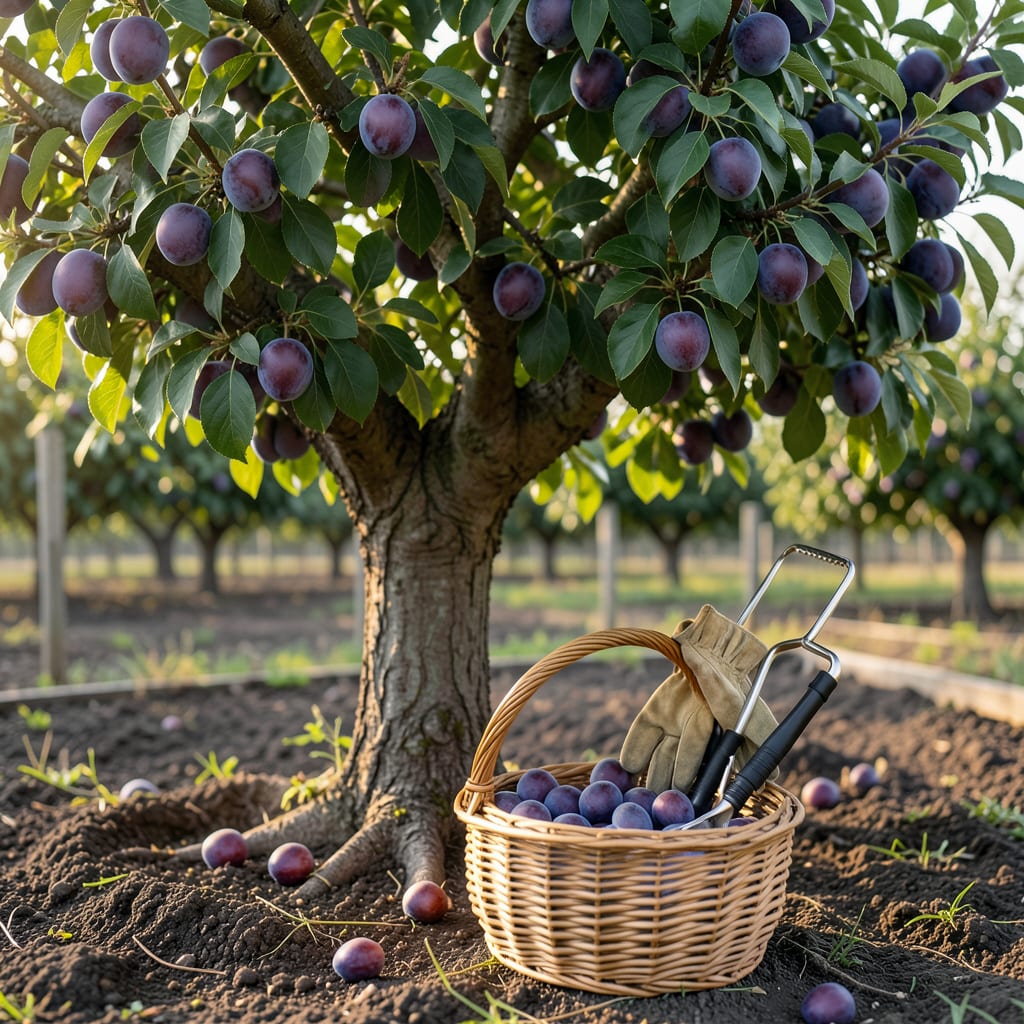
There’s nothing worse than biting into a plum expecting juicy sweetness—only to get a mouthful of tart disappointment. Timing is everything when it comes to harvesting these summer gems, and missing the window by even a few days can ruin your entire crop.
I’ve spent seasons perfecting the art of picking plums at their peak, and the difference is night and day. Whether you’re growing European, Japanese, or damson varieties, I’ll show you the exact signs to look for—so you never second-guess that perfect harvest again.


If you’ve ever wondered whether your plums are truly ripe or just looking ripe, you’re not alone. The secret lies in three key tests: color, texture, and ease of detachment. European plums (like ‘Stanley’) turn deep blue-purple, while Japanese varieties (like ‘Santa Rosa’) shift to golden-red.
Don’t rely on color alone—give the fruit a gentle squeeze. A ripe plum yields slightly under pressure, like a firm tomato. If it’s rock-hard, it’s not ready. And here’s the pro move: cup the plum in your hand and tilt it upward. If it separates easily from the stem, it’s harvest time.
| Variety | Ripeness Color | Texture Test | Harvest Window |
|---|---|---|---|
| European (e.g., ‘Stanley’) | Deep blue-purple | Slight give, not mushy | Mid-July to August |
| Japanese (e.g., ‘Santa Rosa’) | Golden-yellow with red blush | Firm but springy | Late June to July |
| Damson | Dark blue-black | Firm, glossy skin | August to September |
Climate plays a huge role in ripening. In hotter regions, plums may ripen 2-3 weeks earlier than in cooler zones. If you’re in USDA Zone 6 or colder, expect a later harvest—sometimes as late as early September. Always taste-test one or two plums before committing to a full harvest.
Young plum trees (under 3 years old) often produce fruit that ripens unevenly. Don’t panic if some plums are ready while others lag behind. Pick the ripe ones first and give the rest another 3-5 days. Over time, your tree will sync up as it matures.
Here’s a trick for tricky varieties: Check the stem attachment. If the plum’s stem is still tightly bound to the branch, it’s not ready. A ripe plum will part with just a gentle twist—no tugging required. This is especially useful for damson plums, which can look ripe long before they’re sweet.
Ever noticed plums dropping from the tree? That’s nature’s way of saying, “Pick me now!” Overripe plums fall naturally, so if you see a few on the ground, it’s time to harvest the rest. Just don’t wait too long—once they start dropping, you’ve got about 3-4 days before they turn mushy.
For Japanese plums, watch for the “blush” effect—a red or pink hue spreading over the fruit’s base. European plums, on the other hand, develop a dull, matte finish when ripe (shiny skin = not ready!). And if you’re growing hybrid varieties like ‘Methley’, they’ll soften slightly at the stem end first.
If you’re still unsure, try the taste test. Pluck one plum and sample a small bite near the stem. Ripe plums are sweet with balanced acidity, while underripe ones taste sharply tart. Remember, plums won’t ripen further once picked, so don’t harvest early thinking they’ll improve on the counter.
Finally, keep an eye on the birds and squirrels. If wildlife starts eyeing your plums, it’s a sure sign they’re nearing ripeness. I use bird netting the moment I spot the first color change—it’s saved many a harvest from becoming a feathered feast! 🪴
Timing your plum harvest is like walking a tightrope—pick too soon, and you’ll end up with mouth-puckering tartness; wait too long, and you might find a fermented, bug-infested mess. I’ve learned the hard way that both extremes come with consequences, but there are ways to salvage your crop if you misjudge.
Underripe plums are the biggest disappointment. They’re rock-hard, sour, and lack the juicy sweetness we crave. Worse, they won’t ripen further once picked—unlike bananas or avocados. If you accidentally harvest early, try placing them in a paper bag with an apple for 2-3 days. The ethylene gas might soften them slightly, but don’t expect miracles.
Overripe plums are a whole different problem. They become magnets for pests, especially in warm weather. If you spot fruit flies hovering, harvest immediately—even if some plums aren’t fully ripe. Overripe fruit also ferments rapidly, developing an alcoholic odor within days. These are best for immediate jams or compost.
Here’s a trick for slightly overripe plums: Refrigerate them in a single layer on a tray. The cold slows fermentation and buys you 2-3 extra days. For severely overripe plums, blend and freeze the pulp for smoothies—waste not, want not! I once saved a batch by making plum leather in my dehydrator.
The golden window for plum picking is usually 3-5 days once they start ripening. Miss this, and you’ll either get hard, sour plums or a tree full of fallen, split fruit. Climate plays a role too—hot spells accelerate ripening, while cool weather can stall it. Always check your tree daily once color starts changing.
If you’re dealing with uneven ripening, prioritize picking the ripest plums first. Leave the firmer ones for another 2-3 days, but mark your calendar. I use colored twist ties on branches to track which fruits I’ve checked. And remember: birds know best. If they’re pecking at your plums, it’s harvest time—no excuses! 🪴
Finally, don’t stress over a few mistakes. Even imperfect plums can be transformed into delicious preserves or frozen for later. The key is learning your tree’s rhythm—next season, you’ll nail that perfect harvest window like a pro. Trust me, your taste buds will thank you!
Want to enjoy fresh plums for weeks instead of days? With a few smart strategies, you can stretch your harvest season and avoid that dreaded “all-at-once” plum overload. I’ve used these tricks to keep my kitchen stocked with fresh plums from early summer to fall—no greenhouses required.
The first secret is staggered planting. Mix early, mid, and late-season varieties in your orchard. ‘Methley’ plums ripen in late June, while ‘Stanley’ holds off until August. This gives you a steady supply instead of one overwhelming harvest. Even in small spaces, you can plant a semi-dwarf of each.
Combine early (‘Santa Rosa’), mid (‘Elephant Heart’), and late (‘Damson’) varieties to extend your season by 6-8 weeks.
Remove 1/3 of young plums when they’re marble-sized. This boosts size and ripening time for remaining fruit.
Place underripe plums in a paper bag with an apple or banana to speed ripening by 2-3 days.
Here’s my favorite storage hack: Harvest plums at peak ripeness, then refrigerate them in a single layer on a tray. They’ll keep for 2-3 weeks this way. For longer storage, freeze pitted plums on a baking sheet before bagging—they’ll last 6 months without turning mushy.
Don’t overlook the power of fruit thinning. When plums are still small (about 1-inch diameter), remove every third fruit. This might feel counterintuitive, but it prevents branches from breaking under heavy loads and gives remaining plums room to size up. My thinned trees produce plums that are 20% larger and ripen more evenly.
For those inevitable almost-ripe plums, here’s what works: Place them in a cardboard box (not plastic!) with a ripe banana at room temperature. The ethylene gas will coax them to ripen in 24-48 hours. Check daily—once they yield to gentle pressure, move them to the fridge to pause ripening.
Lastly, watch your tree’s microclimates. Plums on the sunny side ripen first, while shaded fruit may lag by a week. I harvest from different sections of my tree at different times, which naturally extends the season. And if late frosts threaten your blossoms, protect them with frost cloth—this ensures you’ll have fruit to harvest later! 🌳
Look for color changes first—deep purple for European varieties or golden-red for Japanese types. Then, give them a gentle squeeze; ripe plums yield slightly like a firm tomato. The ultimate test? Cup the fruit and tilt upward—if it detaches easily, it’s ready.
First, harvest everything at peak ripeness. Store some in the fridge (they’ll keep 2-3 weeks in a single layer). Freeze extras by pitting and laying them on a tray before bagging. For immediate use, make jams or dehydrate into fruit leather. This prevents waste and extends enjoyment.
Green plums won’t ripen further once picked, so avoid harvesting early. They’ll stay hard and tart, no matter what you try. If you must pick underripe fruit, use them for tart jams or preserves—just don’t expect them to sweeten on the counter.
This is normal! Plums on the sunny side ripen first, while shaded fruit may lag by a week. Young trees also produce uneven ripening. Harvest the ready ones first, then check back in 3-5 days for the rest. Climate and variety play roles too.
Cover your tree with bird netting as soon as fruit starts coloring. For a DIY solution, hang shiny CDs or wind chimes to deter them. Harvest promptly once ripe—birds know exactly when plums are perfect! A little prevention saves your entire crop.
