
Beautiful Plants For Your Interior
Beautiful Plants For Your Interior
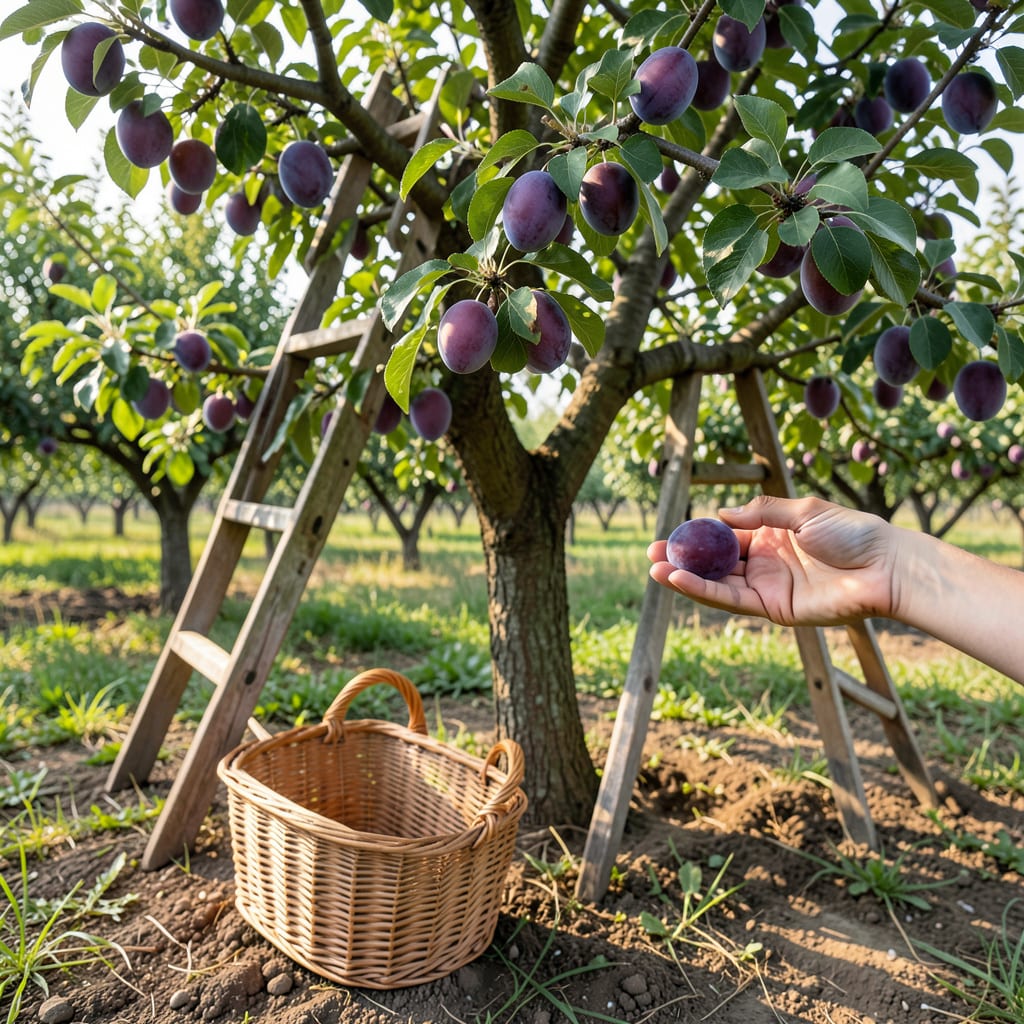
Nothing beats the taste of a perfectly ripe Plum Tree 🍑 fruit, but picking too early or too late ruins the experience. Timing your harvest right makes all the difference.
I’ll show you the easiest ways to spot ripeness, from color changes to gentle pressure tests. With these tips, you’ll enjoy sweet, juicy plums every time.


I always check for deep, uniform color first when determining if my plum tree fruit is ripe. The skin should match the variety’s mature hue, whether that’s purple, red, or golden yellow. A dull or greenish tint means it’s not ready yet.
Next, I gently squeeze the fruit. A ripe plum yields slightly to pressure, similar to a ripe avocado. If it feels rock-hard, it needs more time on the tree. This tactile test works for all plum varieties.
The taste test is the final confirmation. I sample one or two fruits from different branches. Ripe plums are sweet with balanced acidity. If it’s tart, I wait another week.
I pay attention to weather patterns too. A stretch of warm, sunny days often speeds up ripening. After a cool spell, I give the fruit extra time to develop its sugars.
Remember, plum varieties have different maturity times. My Stanley prunes usually ripen in late August, while Methley plums are ready by mid-July. Keep a harvest journal to track your tree’s patterns.
With these signs, I’ve learned to pick plums at their peak flavor every season. The combination of color, feel, smell, and taste never fails me 🌳
I always harvest my plum tree fruit in the early morning. The cooler temperatures help preserve the fruit’s freshness and flavor. Picking after the dew dries but before the heat sets in gives me the best results.
Seasonal timing varies by plum variety. My early-season plums like Methley are ready by mid-July, while late varieties such as Stanley often wait until late August or even September.
I also consider the tree’s age. Young trees may produce fruit that ripens a week or two later than mature trees. My 3-year-old plum tree consistently ripens its fruit about 10 days later than my established 10-year-old tree.
When in doubt, I pick a few test fruits from different branches. If they’re sweet and juicy, I know it’s time to harvest the rest. This method helps me avoid picking an entire crop too early or too late 🌳
I’ve learned the hard way that harvesting too early is a common mistake. Picking unripe plums results in tart, hard fruit that never develops its full sweetness. Always check for the ripeness signs we discussed earlier first.
Another error I see is waiting too long. Overripe plums become mushy and fermented, attracting pests and falling from the tree. I make it a habit to check my trees every 2-3 days during harvest season.
Avoid picking in wet conditions or using dull tools that can damage fruit. Always handle plums gently to prevent bruising.
Using the wrong tools can damage both the fruit and tree. I always use sharp pruners or pick by hand with a gentle twist. Pulling forcefully can tear the branch or leave unripe fruit on the tree.
I also avoid shaking the tree to loosen fruit. This can cause premature dropping and damage the tree’s structure. Instead, I carefully inspect each plum and pick only the ripe ones.
Ignoring tree-specific cues is another mistake. Different plum varieties have unique ripening patterns. I keep notes on when each of my trees typically produces ripe fruit to avoid missing the optimal harvest window 🌳
Look for deep, uniform color and a slight softness when gently pressed. The fruit should also emit a sweet aroma near the stem and separate easily with a gentle twist.
Pick in the early morning after the dew has dried but before the heat of the day. This helps preserve freshness and prevents the fruit from becoming overly soft or damaged.
No, firm plums are usually unripe. They need time to develop sweetness and juice. If they don’t yield slightly to pressure, wait 3-5 more days and check again.
No, timing varies by variety. Early types like Methley may ripen in June, while late varieties like Stanley often wait until August or September.
