
Beautiful Plants For Your Interior
Beautiful Plants For Your Interior
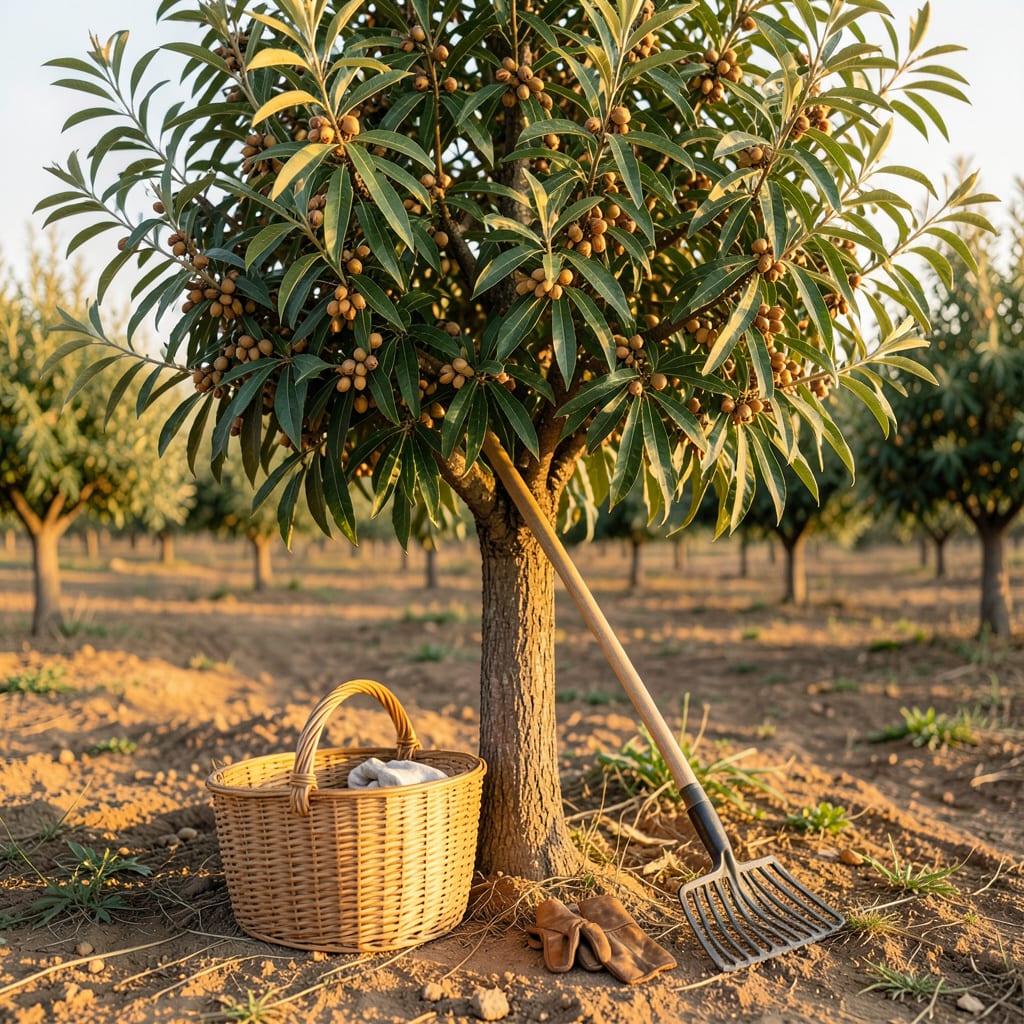
Timing your pistachio harvest can make or break your crop. The 🌰 Pistachio tree gives clear signals when it’s ready, but you have to know what to look for.
From September to October, watch for splitting hulls and color changes. I’ll show you the exact signs to ensure you pick at peak ripeness.


The most reliable indicator is the hull splitting open to expose the shell. This natural process signals the nut is mature and ready for picking. I always check for this first. 🌿
Next, look for the shell color change from green to a cream or reddish hue. The kernel inside should be plump and firm, not soft or underdeveloped.
| Harvest Sign | Description |
|---|---|
| Hull Splitting | Hulls open naturally exposing shell |
| Shell Color | Turns from green to cream/red |
| Kernel Firmness | Plump and firm to touch |
| Cluster Separation | Nuts easily pull from cluster |
Regional timing affects these signs. In warmer climates like California, harvest may start in late August, while cooler areas see it in October. Always prioritize visual cues over calendar dates.
Another key sign is the hull separation. When the hull easily detaches from the shell, it’s a clear indicator of ripeness. I’ve found this is the most accurate test for home growers.
The kernel’s color also changes as it matures. A fully developed kernel will be a rich green or purple, depending on the variety. This color change is subtle but critical for timing.
Don’t rely solely on shell splitting. Some varieties split early, while others may need a gentle squeeze to open. I always check multiple trees to confirm the pattern.
Climate plays a big role. In dry climates, pistachios may mature faster, while humid conditions can delay the process. Watch your trees closely as the season progresses.
If you notice birds or squirrels showing interest, it’s often a sign your pistachios are nearing ripeness. They’re great at spotting the same cues we look for.
Finally, taste-test a few. A ripe pistachio will have a rich, nutty flavor. If it’s bitter or bland, wait a few more days before harvesting. 🌱
Before harvesting, I always perform a few simple tests to confirm ripeness. The squeeze test is my first go-to—gently press the hull. If it splits easily, the nut is likely ready for picking.
Another reliable method is the hull separation check. When the hull detaches from the shell with minimal effort, it’s a strong sign of maturity. This test works best on a few sample nuts from different clusters.
For the sample cracking test, I crack open a few nuts to inspect the kernel. A fully mature kernel will be plump, firm, and richly colored—green or purple depending on the variety.
The taste test is my final confirmation. A ripe pistachio will have a sweet, nutty flavor. If it tastes bitter or bland, the nuts need more time on the tree.
I recommend testing nuts from multiple clusters and different parts of the tree. Pistachios don’t always ripen uniformly, so this ensures you don’t miss any areas that might need more time.
Remember, these tests work best when combined with the visual cues we discussed earlier. The hull splitting and color changes are your first indicators, while these tests provide final confirmation. 🌿
One of the biggest mistakes I see is picking too early. When pistachios are immature, the kernels are soft and the flavor is underdeveloped. This can ruin your entire harvest.
Another common error is waiting too long. Overripe pistachios develop rancid oils and may stain their shells, reducing quality and storage life significantly.
⚠️ Warning: Never rely solely on calendar dates. pistachios ripen at different rates based on climate, variety, and tree health.
I’ve learned that over-reliance on shell color alone can be misleading. Some varieties turn color before they’re fully ripe, while others may lag behind in color change.
Another pitfall is ignoring hull condition. If hulls remain tightly closed, the nuts aren’t ready, regardless of other signs. This is a sure indicator they need more time on the tree. 🌿
Finally, don’t harvest all at once. Pistachios often ripen unevenly across the tree. I always check multiple clusters and pick in stages to ensure peak ripeness for every nut.
Look for hulls that split naturally and shells turning from green to cream or red. The nuts should also pull easily from the cluster. These visual cues are the most reliable indicators.
Yes, warmer climates like California often see harvests in late August, while cooler areas may not be ready until October. Always check visual signs over calendar dates.
Immature pistachios have soft kernels and underdeveloped flavor. The nuts may also shrivel during drying, ruining your harvest. Patience is key!
No, they often ripen unevenly. Test multiple clusters and pick in stages to ensure each nut is at peak ripeness. This method prevents waste.
