
Beautiful Plants For Your Interior
Beautiful Plants For Your Interior
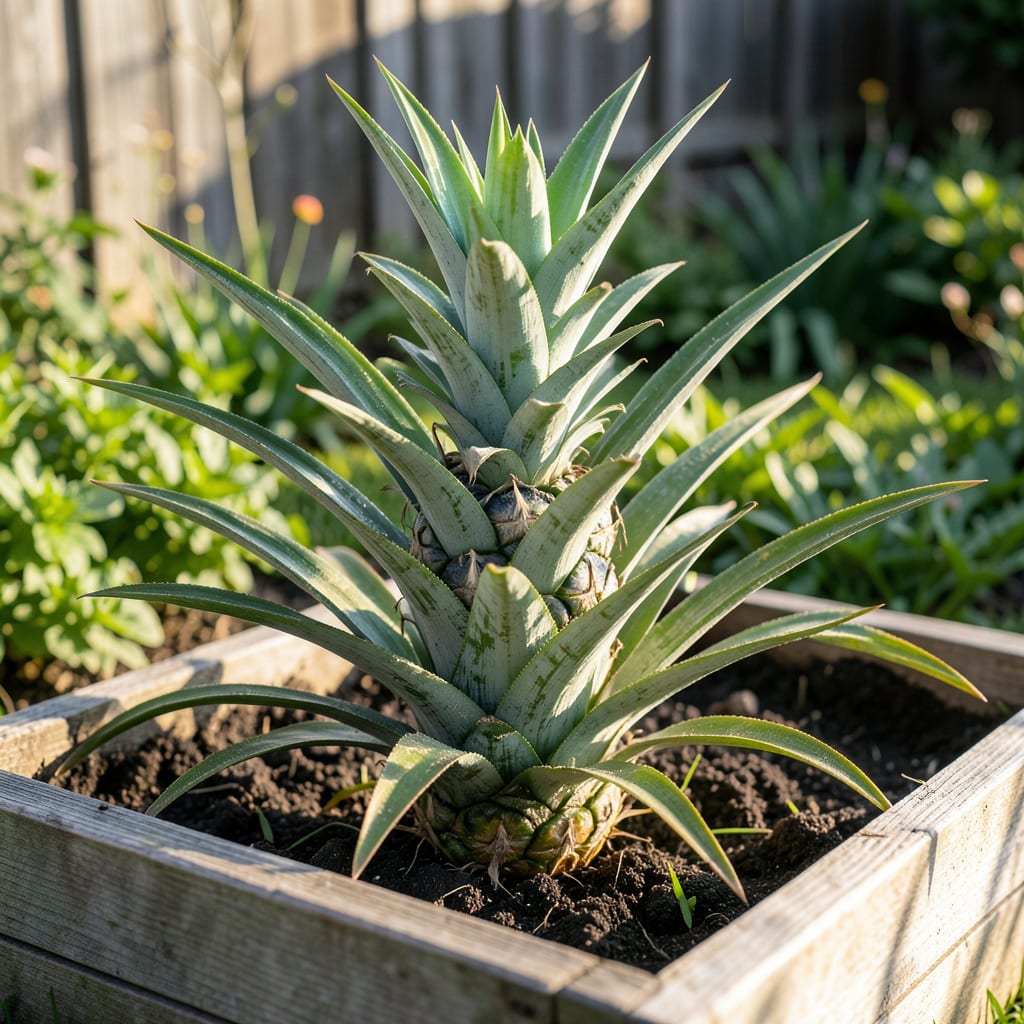
That moment when you finally get to harvest your homegrown 🍍 pineapple—only to cut into it and find it disappointingly tart. We’ve all been there, and the difference between perfect sweetness and sour regret comes down to one critical decision: timing.
I’ll show you exactly how to read your pineapple’s subtle signals—from color shifts to that telltale sweet scent at the base. Whether you’re growing in Zone 6 or a sunny container, these expert tips will ensure you pick at peak flavor every time. Let’s make your harvest unforgettable.


If you’ve ever wondered why your homegrown 🍍 pineapple didn’t taste as sweet as expected, the answer often lies in the ripening stage when you picked it. Unlike store-bought pineapples that are often harvested early for shipping, homegrown fruit develops a deeper flavor when allowed to fully mature on the plant.
Pineapples progress through three distinct stages—green, partial yellow, and full golden—each with unique visual cues. The transition from green to golden typically takes 18-24 months from planting, but the final ripening happens surprisingly fast. Let’s break down what to expect at each phase.
| Stage | Duration | Visual Cues | Flavor Profile |
|---|---|---|---|
| Green Stage | 0-18 months | Fully green skin, firm texture, vibrant crown leaves | Extremely tart, not edible |
| Partial Yellow | 18-22 months | Bottom 1/3 turns yellow, crown leaves begin browning | Mild sweetness, still acidic |
| Full Golden | 22-24 months | 80%+ golden skin, sweet aroma at base, crown leaves dry | Peak sweetness, balanced acidity |
✅ Pro Tip: The final ripening (green→golden) happens in just 2-4 weeks—check daily!
Climate plays a huge role in your timeline. In tropical zones (like Florida or Hawaii), pineapples may ripen 2-3 weeks faster than in cooler Zone 6 summers. Container-grown pineapples often need an extra 10-14 days due to restricted root space.
The base of the pineapple tells the real story. As it ripens, the area where the fruit meets the plant develops a sweet, tropical aroma—this is your best indicator. If you smell nothing, wait another week. If it smells fermented, you’ve waited too long.
Remember that pineapples don’t ripen after picking like bananas or avocados. Once separated from the plant, the sugar content stops developing. This makes timing everything—miss your window, and you’ll either get a mouth-puckering tart fruit or an overripe, mushy one.
For those growing pineapples indoors, watch for slower color changes due to lower light. I recommend using a grow light for 12-14 hours daily during the final ripening stage to accelerate the process. The extra light helps develop those crucial sugars we’re all after.
If you’re working with a store-bought pineapple, the same rules apply—but be extra cautious. Many commercial pineapples are picked at the partial yellow stage and artificially ripened. Give yours 2-3 days at room temperature to reach full sweetness before cutting.
🌱Even experienced gardeners sometimes misjudge pineapple ripeness, leading to disappointing harvests. The most common mistake I see is picking too early, which results in that unpleasant sour taste. Pineapples don’t continue ripening after harvest, so timing is absolutely critical.
Another frequent error is waiting until the pineapple looks “perfectly golden” all over. By that point, you’ve often missed the sweet spot and the fruit may start fermenting. Remember that 80% color change is ideal – you want mostly golden with some green still visible.
💡 Pro Solution: When in doubt, perform the leaf pull test – if a center leaf comes out easily, it’s ready!
Many gardeners also overlook the base firmness test. A perfectly ripe pineapple should have just a slight give when pressed – not rock hard, but not squishy either. I like to compare it to pressing a ripe avocado. Too firm means wait, too soft means you’ve waited too long.
For container-grown pineapples, the mistake is often inconsistent watering during the final ripening stage. These plants need even moisture to develop proper sweetness. Let the soil dry slightly between waterings, but never completely dry out in those last critical weeks.
If you do end up with a slightly underripe pineapple, don’t despair. While it won’t get sweeter, you can improve the texture by storing it at room temperature for 1-2 days. For overripe fruit, immediately refrigerate to slow fermentation and use within 2-3 days.
A homegrown pineapple typically takes 5-7 months to ripen after flowering. This timeline can vary based on climate—tropical zones may see faster ripening, while cooler areas might need the full 7 months.
Yes, but only if 80% of the skin has turned golden yellow. A mostly golden pineapple with some green patches is ideal, as waiting for full color often means it’s overripe. The base should smell sweet, not fermented.
Use the leaf pull test: gently tug a center leaf. If it comes out easily, it’s ripe! Also check for a sweet aroma at the base and slight softness when pressed. These three signals together guarantee perfect sweetness.
This usually happens when picked too early. Unlike store-bought varieties, homegrown pineapples need full maturity on the plant. Wait until the base smells strongly sweet and the crown leaves start browning for optimal flavor.
Size alone isn’t a reliable indicator. Focus on color change and aroma instead. A smaller pineapple can be perfectly ripe while a large one might still be underripe. Most varieties reach ideal sweetness at 6-8 inches long.
