
Beautiful Plants For Your Interior
Beautiful Plants For Your Interior
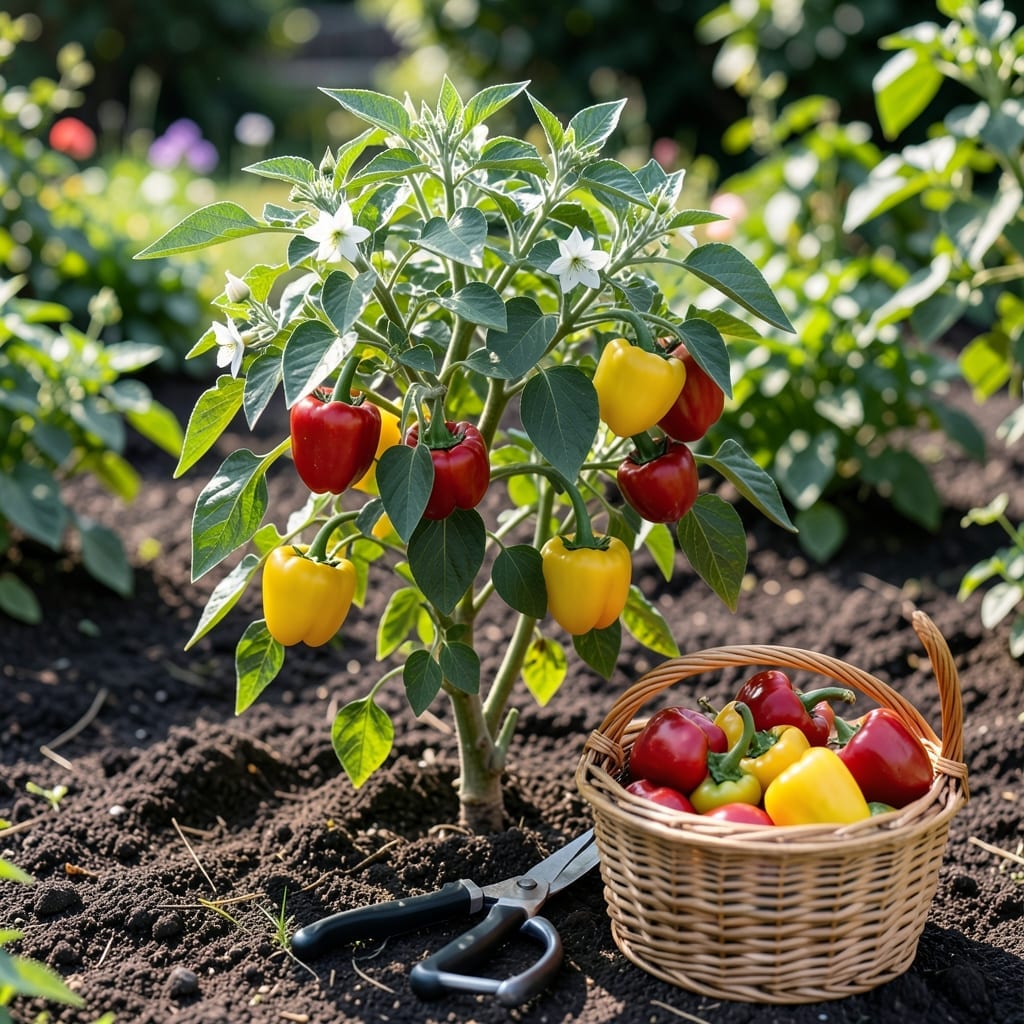
Knowing exactly when to pick peppers from your garden can mean the difference between a mediocre harvest and bursts of flavor in every bite. Timing is everything with the 🌶️ Pepper.
Pick too early, and you miss out on that perfect sweetness or heat. Wait too long, and you risk overripe produce losing its prime.
I’ve learned that watching for visual cues like color and size makes all the difference. The 🌶️ Pepper tells you when it’s ready if you know what to look for.
Let me show you how to spot those signs so you can harvest at the most flavorful moment every time.


I always check for full size first when inspecting my pepper plants. Each variety has its own mature dimensions, so I compare my peppers to the expected size listed on the seed packet. A bell pepper should be 3-4 inches wide, while jalapeños are ready at 2-3 inches long. 🌱
Next, I look for firm texture. Gently squeeze the pepper—it should feel solid, not soft or spongy. A ripe pepper will spring back when pressed lightly. If it stays indented, it’s not ready yet. This simple test helps me avoid picking immature peppers. 🌿
| Variety | Size at Maturity | Color When Ripe | Days to Harvest |
|---|---|---|---|
| Bell Pepper | 3-4 inches | Green, Red, Yellow | 60-90 |
| Jalapeño | 2-3 inches | Green, Red | 70-80 |
| Banana Pepper | 4-6 inches | Yellow, Red | 60-75 |
| Habanero | 1-2 inches | Orange, Red | 90-120 |
The color of your peppers is a dead giveaway. Most start green and transition to red, yellow, or orange as they ripen. I’ve learned that banana peppers turn bright yellow, while habaneros often shift to fiery orange. Always check the expected color for your specific variety.
I also watch for glossy skin. A ripe pepper has a shiny, almost waxy appearance. If the skin looks dull, the pepper isn’t ready. This is especially true for bell peppers, which develop a high shine when fully mature. ✂️
Another sign I trust is the stem condition. A ripe pepper has a sturdy, green stem. If the stem is dry or brittle, the pepper may be overripe. I make it a habit to check the stem before plucking.
For hot peppers like jalapeños or serranos, I wait until they’ve reached their mature heat level. This usually happens when they’ve turned their final color. I’ve found that red jalapeños are hotter than green ones, so I pick based on my heat preference.
I always keep track of the days to maturity for each variety. Most peppers take 60-90 days from transplanting. If my bell peppers hit day 75 and are full-sized with deep color, I know it’s time to harvest. This timeline helps me plan my garden schedule.
Sometimes, I notice peppers that are oversized or have soft spots. These are signs of overripeness. I harvest these immediately to prevent them from spoiling on the plant. It’s better to pick them a little early than to lose them to rot. 🌿
Finally, I use my sense of touch and visual inspection together. A combination of firmness, color, and size gives me confidence that my peppers are at peak ripeness. This method has never let me down.
I always recommend harvesting peppers early in the morning when temperatures are cool and the fruits are most firm. This helps retain moisture and prevents wilting, ensuring peak freshness for your harvest.
The best tools for the job are sharp pruners or clean garden scissors. These allow you to snip the stem cleanly without damaging the plant or fruit. Always sanitize your tools between uses to prevent disease spread.
Early Morning Harvest: Pick peppers between 7-9 AM for best results.
Use Pruners: Clean cuts prevent plant damage and disease.
Gentle Twist Method: For hand-picking, twist slightly and pull upward.
If you prefer hand-picking, use a gentle twisting motion while supporting the plant with your other hand. This method works well for bell peppers and other thick-stemmed varieties. Avoid pulling straight out, as this can damage the plant.
For hot peppers like jalapeños, I find wearing gloves helps protect my hands from the capsaicin oils. These oils can cause irritation, especially if you touch your face afterward.
After harvesting, I like to inspect each pepper for signs of pests or disease. This helps me catch any issues early and keep my garden healthy for the next harvest cycle.
Remember that regular harvesting encourages the plant to produce more peppers. I typically check my plants every 2-3 days during peak season to catch peppers at their prime.
☀️