
Beautiful Plants For Your Interior
Beautiful Plants For Your Interior
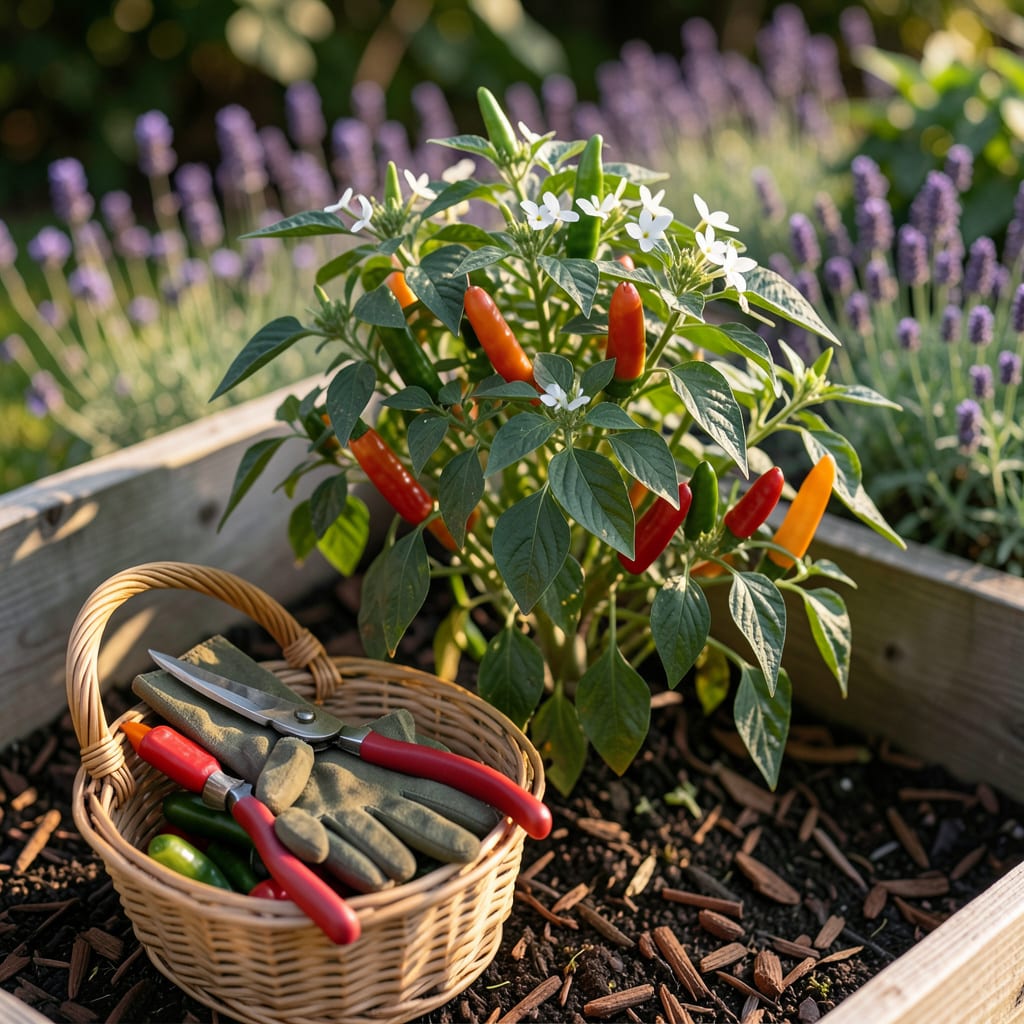
That moment when your 🌶️ Pepperoncini plants are heavy with pods—do you pluck them now or wait? Picking too soon means missing out on that signature tangy-sweet flavor, but leave them too long and you risk bitterness or mushy texture.
After years of testing harvest times, I’ve nailed the perfect window for crisp, flavorful peppers. Whether you want mild green pods for pickling or riper red ones for cooking, I’ll show you exactly what to look for—and when to make your move.


Timing your pepperoncini harvest isn’t just about patience—it’s about reading the plant’s signals. I’ve learned the hard way that color alone isn’t enough. You’ll want to check for size, firmness, and stem attachment too. Let’s break down what to look for.
Most pepperoncini reach harvest readiness in 60–85 days after planting. But since weather and soil play huge roles, I rely more on visual and tactile cues than calendar dates. Here’s how to spot the perfect picking moment.
| Stage | Color | Size | Flavor | Best Use |
|---|---|---|---|---|
| Early | Pale green | 1–2 inches | Mild, grassy | Not ready |
| Ideal | Bright green | 2–3 inches | Tangy, crisp | Pickling |
| Mature | Yellow-red | 2.5–3.5 inches | Sweet, mild heat | Fresh eating |
| Overripe | Deep red | 3.5+ inches | Bitter, soft | Compost |
*Harvest tip: Use clean pruners or scissors to avoid damaging plants.
The snap test is my favorite trick: gently bend the pepper. If it snaps cleanly from the stem with minimal effort, it’s ready. If it resists or the stem tears, give it 2–3 more days of sunshine. Overripe pods feel spongy and lose their crispness.
For pickling, I harvest when peppers are bright green and firm—this gives that classic tangy crunch. If you prefer sweeter, milder flavor, wait until they develop yellow streaks. Just don’t let them turn fully red unless you want more heat and softer texture.
Check your plants every 2–3 days during peak season. Pepperoncini can go from perfect to overripe surprisingly fast, especially in hot weather. I like to harvest in the early morning when peppers are most hydrated—this helps them stay crisp longer after picking.
One mistake I see beginners make? Ignoring the stem attachment. A healthy pepperoncini should have a firm, green stem. If the stem looks dried out or brown, the pepper is past its prime. Also watch for wrinkled skin—that’s a sure sign it’s overripe.
If you’re growing multiple plants, stagger your harvests. Pick the largest peppers first to encourage the plant to produce more. I’ve found this simple trick can extend my harvest window by 2–3 weeks. Just be sure to leave a few pods on the plant to mature fully—this keeps production going.
After picking, handle peppers gently to avoid bruising. Store them in a perforated bag in the fridge for up to 10 days, or process them immediately for pickling. For longer storage, consider freezing or drying—just slice them first for easier use later.
Remember, the more you harvest, the more your plants will produce. I aim to pick pepperoncini every 5–7 days during peak season. This keeps the plants productive and ensures you’re always getting peppers at their flavor peak. Happy harvesting! 🌿
Understanding how your pepperoncini evolves from green to red is key to perfect timing. Each stage offers distinct flavors and heat levels, so your ideal picking time depends on how you plan to use them. Let me walk you through the progression.
I’ve found that green pepperoncini (harvested at 60–70 days) are crisp and tangy—perfect for pickling. As they mature to yellow and red (around 80–85 days), they develop sweeter, fruitier notes with a touch of heat. Here’s how to match your harvest to your taste preferences.
For mildest flavor, pick when peppers are bright green and 2–3 inches long. This is when their walls are thickest and texture is crispest—ideal for those classic pickled pepperoncini you find in salads. The flesh will be firm with a slight give when squeezed.
If you prefer a sweeter profile with just a hint of heat, wait until the peppers develop yellow streaks or turn fully yellow. At this stage (about 75 days), they’ve converted more starches to sugars but haven’t yet developed significant capsaicin. These are perfect for fresh snacking or adding to sandwiches.
For maximum sweetness and warmth, let them ripen to deep red. These take longest (up to 85 days) but reward you with complex, fruity flavors and gentle heat. Red pepperoncini work beautifully in cooked dishes where their sugars caramelize. Just note they’ll be softer and less crisp than earlier stages.
Remember that weather affects timing. In hot climates, peppers may ripen 10–14 days faster than the averages I’ve shared. Cool seasons can delay ripening by a week or more. I always recommend checking plants daily once they start coloring—pepperoncini can transition from perfect to overripe in just 3–4 days during heatwaves.
Here’s my pro tip: Stagger your harvests by picking some green, some yellow, and some red. This gives you a range of flavors to work with and prevents being overwhelmed with ripe peppers all at once. Plus, it encourages the plant to keep producing new pods throughout the season.
After harvesting, I like to sort peppers by color and use them accordingly. Green ones go straight to the brine for pickling, yellow get sliced for fresh dishes, and red get roasted or dried. This way, nothing goes to waste, and you get to enjoy the full spectrum of what your pepperoncini plants can offer! 🌿
Getting a long, productive harvest from your pepperoncini plants isn’t just about when to pick—it’s about how to keep them producing. I’ve discovered simple tricks to extend my harvest by weeks, ensuring a steady supply of fresh peppers all season long. Let me share my proven techniques.
First, always harvest regularly—every 3–5 days during peak season. This prevents peppers from becoming overripe on the plant and signals to your pepperoncini to produce more. I’ve found that plants left with mature peppers slow down production, thinking their job is done.
*Bonus: Remove any diseased or damaged peppers immediately to protect plant health.
Watch for overripening signs: wrinkled skin, soft texture, or dull color. These peppers lose their crispness and develop bitterness. If you spot them, remove immediately—even if you don’t plan to use them. Leaving overripe peppers on the plant diverts energy from new growth.
To salvage near-overripe peppers, I cut them into rings and dehydrate or freeze immediately. While they’re not ideal for fresh eating, they work perfectly in cooked dishes. Store freshly picked peppers in a perforated bag in your fridge’s crisper drawer—they’ll keep for 7–10 days this way.
For continuous production, I feed my plants with compost tea every 3 weeks during fruiting. This gentle nutrition boost keeps plants vigorous without overwhelming them. Also, mulch around the base with straw to maintain soil moisture and temperature—this reduces stress and promotes steady pepper development.
Remember that weather impacts harvest duration. In hot climates, you might get a shorter but more intense harvest window. Cooler areas often have a longer but slower production period. Adjust your care accordingly, and don’t be afraid to experiment with different techniques to find what works best in your garden! 🌿
Check your pepperoncini plants every 2–3 days once they start coloring. These peppers can transition from perfect to overripe in just 3–4 days, especially in hot weather. Morning inspections are ideal when peppers are most hydrated and crisp.
Harvest in the early morning before 10 AM for the crispiest peppers. The cooler temperatures help maintain firmness, and plants are fully hydrated after the night. Avoid midday harvesting when peppers may be limp from heat.
It’s best to wait until they reach 2–3 inches long. Smaller peppers (under 2 inches) haven’t developed their full flavor or crisp texture. Picking too early reduces your overall yield and may leave peppers tasting grassy or bland.
Overripe pepperoncini develop wrinkled skin, become spongy to touch, and turn deep red. Their stems may look dried out or brown. These peppers lose crispness and develop bitterness—best used for cooking rather than fresh eating.
Store in a perforated bag in your fridge’s crisper drawer. They’ll keep for 7–10 days this way. For longer storage, consider freezing (slice first) or dehydrating—both preserve flavor well for months.
