
Beautiful Plants For Your Interior
Beautiful Plants For Your Interior
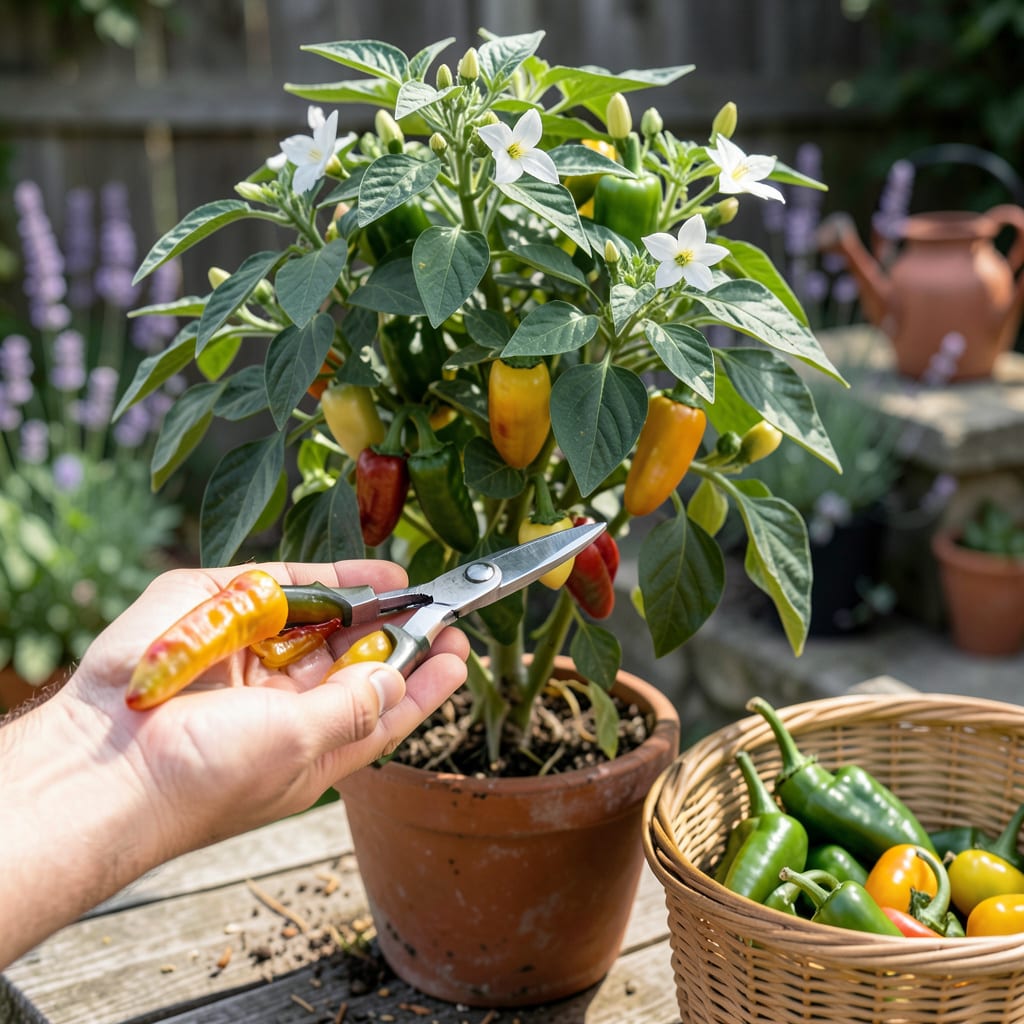
Timing is everything when it comes to harvesting your Pepperoncini peppers. Pick them too soon, and you’ll miss out on their signature tangy-sweet flavor. Wait too long, and they might turn overly spicy or lose their crisp texture.
I’ve learned the hard way that these golden-green gems have a perfect window—usually when they’re bright yellow and firm to the touch. Let me show you exactly how to spot that moment so you can enjoy the best flavor from your garden.


Timing is everything when harvesting pepperoncini peppers. These mild, tangy peppers transform dramatically as they ripen, shifting from bright green to golden-yellow and finally to red. Each stage offers a unique flavor profile, so knowing what to look for ensures you get the taste you want.
I always check three key indicators: color, size, and texture. A perfectly ripe pepperoncini will be 2-3 inches long, with a firm, glossy skin that gives slightly when pressed. If the stem snaps cleanly when bent, it’s ready to pick. Let’s break down the visual cues so you never second-guess your harvest again.
| Stage | Color | Size | Flavor | Best For |
|---|---|---|---|---|
| Early | Light green | 1.5-2 inches | Mild, grassy | Pickling |
| Peak | Golden-yellow | 2-3 inches | Tangy, slightly sweet | Fresh eating |
| Late | Red | 2.5-3.5 inches | Spicier, fruity | Drying, sauces |
💡 Pro Tip: For pickling, harvest at the early stage. For fresh snacks, wait for peak golden-yellow.
If you’re growing pepperoncini peppers for pickling, I recommend harvesting them when they’re still light green. At this stage, they’re crisp and mild, perfect for absorbing briny flavors. But if you prefer a sweeter, tangier bite, let them mature to golden-yellow—this is when their sugar content peaks.
Watch the skin texture closely. A ripe pepperoncini should feel smooth and taut, not wrinkled or soft. If the pepper gives too easily under gentle pressure, it’s overripe. I’ve found that morning harvests yield the crispiest peppers, as they’re fully hydrated from overnight moisture.
The stem test is my secret weapon. Gently bend the pepper near the stem—if it snaps cleanly, it’s ready. If it bends without breaking, give it 2-3 more days. This simple trick prevents premature picking, which can leave peppers tasting bitter or underdeveloped.
Unlike bell peppers, which sweetens as they redden, pepperoncini peppers develop more heat in their final stages. If you love a little kick, leave a few on the plant until they turn red. Just be aware that fully red peppers are better for cooking than fresh eating, as their texture softens.
Don’t forget to check the plant’s overall health during harvest. If leaves look yellowed or wilted, your peppers might be stress-ripening, which affects flavor. I always water deeply the day before harvesting to ensure plump, juicy peppers. Use clean pruners or scissors to avoid damaging the plant.
After picking, store peppers in a cool, dry place for up to 10 days, or refrigerate in a paper bag for 2-3 weeks. For longer storage, consider freezing or pickling. The key is to harvest at the right stage—then you’ll enjoy that perfect balance of tangy, slightly spicy flavor every time.
If you’re new to growing pepperoncini, start by harvesting just a few peppers at different stages to taste the difference. This hands-on approach helps you fine-tune your timing for next season. And remember, these plants are prolific producers—the more you pick, the more they’ll grow!
Pepperoncini peppers don’t ripen all at once, so I like to think of their harvest in three distinct stages. Early season picks (around 60-70 days after transplanting) tend to be milder and perfect for pickling. Mid-season is when you’ll see the bulk of your crop—this is the sweet spot for flavor.
If you’re in a shorter growing season, keep an eye on the forecast. A sudden frost warning means it’s time to harvest everything, even the smaller pods. In warmer zones, you might get a late-season flush, but those peppers can turn spicier if left too long on the plant.
In my garden, I start checking for ripe pepperoncini around Day 65 after transplanting. The first peppers are usually smaller but still packed with flavor. By Day 80, the plants are in full production mode, and I’m harvesting every 2-3 days to keep up.
One trick I swear by: morning harvesting. The peppers are crispest then, and the plants are less stressed by heat. If you’re dealing with a heatwave, pick earlier in the day to prevent soft, wilted pods. Cooler evenings can slow ripening, so adjust your expectations if temps drop.
For those in Zone 6 or cooler, watch the calendar. Pepperoncini need about 120 frost-free days to fully mature. If your first frost hits in mid-October, aim to plant transplants by early June to maximize your harvest window.
If you’re growing ‘Golden Greek’ or ‘Sweet Banana’ varieties, note that they mature slightly faster (closer to 70 days) than standard pepperoncini. Keep a garden journal to track your plants’ progress—it’s the best way to nail the timing year after year.
Once you’ve harvested, store peppers in the fridge for up to 2 weeks, or dry them for longer shelf life. And don’t forget: the more you pick, the more your plants will produce! Ready to dive deeper? Check out my guide on growing pepperoncini from seed for next season’s crop.
Even experienced gardeners can accidentally sabotage their pepperoncini harvest with a few common missteps. The biggest mistake I see? Picking too early. Those small green peppers might look tempting, but they’ll taste bitter and lack the signature tangy-sweet balance.
Another flavor killer is leaving peppers on the plant too long. Once they turn deep red, their texture becomes mushy and the heat level spikes. I’ve found that golden-yellow is the ideal stage for most uses—crisp, flavorful, and just slightly spicy.
💡 Quick Fix: Harvest in the early morning for crispiest peppers.
Weather plays a bigger role than most gardeners realize. A sudden heatwave can cause peppers to ripen unevenly or develop tough skins. If temps climb above 90°F, I harvest everything that’s close to ripe—even if they’re slightly under-sized—to prevent stress.
Post-harvest handling matters too. Never leave picked peppers in direct sunlight, as they’ll wilt quickly. I immediately move mine to a shaded, breezy spot to preserve crispness. For storage, use a paper bag in the fridge—plastic traps moisture and speeds up spoilage.
One mistake that’s easy to overlook is inconsistent watering. Pepperoncini need steady moisture, especially during fruit set. I water deeply every 3 days in summer, adjusting for rain. Too much fluctuation leads to cracked skins or hollow peppers—both ruin texture and flavor.
Finally, don’t forget that pepperoncini plants keep producing if you harvest regularly. If you leave overripe peppers on the plant, it signals the plant to slow down. I make it a habit to check my plants every other day during peak season to catch peppers at their prime.
An overripe pepperoncini will turn deep red and feel soft to the touch. The skin may appear wrinkled, and the pepper will lose its crisp texture. If you notice these signs, harvest immediately—even if you plan to cook or dry them.
Harvest in the early morning when temperatures are cooler. This ensures peppers are crisp and fully hydrated from overnight moisture. Avoid midday harvesting, as heat can make peppers wilt faster after picking.
Yes! When green, they’re mild and tangy. As they turn golden-yellow, the flavor sweetens slightly. Fully red peppers develop more heat and a fruity depth—great for sauces but less ideal for fresh eating.
You can, but they’ll lack full flavor. For best results, wait until they reach 2-3 inches in length. Smaller peppers are fine for pickling but may taste bitter or underdeveloped when eaten fresh.
During peak season, inspect your plants every 2-3 days. Pepperoncini ripen quickly in warm weather, and frequent harvesting encourages more production. In cooler climates, checking weekly is usually sufficient.
