
Beautiful Plants For Your Interior
Beautiful Plants For Your Interior
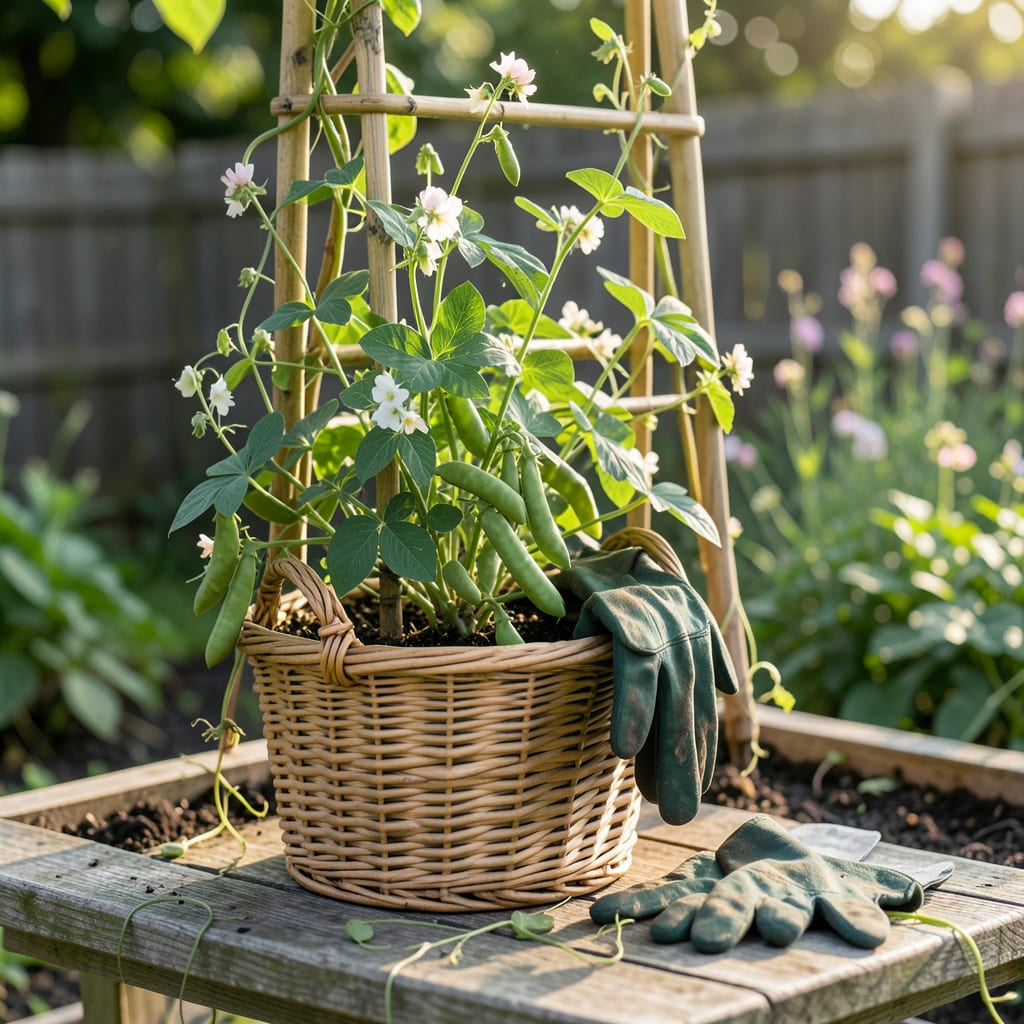
There’s nothing quite like the taste of fresh homegrown peas—but timing is everything. Pick them too soon, and you’ll miss out on their full sweetness. Wait too long? You’re left with starchy, tough pods that no one wants to eat.
After years of testing and refining, I’ve learned the exact signs to look for. Whether you’re growing shelling, snap, or snow peas, I’ll show you how to harvest at the perfect moment—every single time. Let’s get started.


Knowing exactly when to pick peas can feel like a guessing game—but it doesn’t have to be. Each pea variety has unique clues that tell you they’re ready. I’ve spent seasons perfecting this, and the secret lies in pod size, texture, and color.
For shelling peas, you’ll want to wait until the pods feel plump and firm. Snap peas should be crisp and snappy, while snow peas are best when the peas inside are just beginning to form. Let’s break it down by type so you never miss that perfect harvest window.
For shelling peas, the pods should feel slightly bumpy when you run your fingers over them. That bumpiness means the peas inside have swollen to full size. If the pod feels smooth, they’re not ready yet.
Snap peas are trickier—they should be plump but still flat enough to snap cleanly. If they start to bulge too much, the peas inside become starchy. I always do the “bend test”: if the pod snaps easily, it’s perfect.
With snow peas, timing is everything. You want to harvest when the peas inside are just tiny bumps. Wait too long, and the pods turn fibrous. I check daily once they start forming—the window is only 2-3 days for peak tenderness.
Here’s a pro tip: Harvest with two hands. Hold the vine with one hand while picking with the other to avoid damaging the plant. Pea vines are delicate, and you want to keep them producing as long as possible.
Remember that days to maturity listed on seed packets are just guidelines. Your local climate and soil play huge roles. In my zone 6 garden, I’ve found peas often mature 5-7 days earlier in warm springs than the packet suggests.
If you’re growing multiple varieties, keep a harvest journal. Note when each type starts producing and how long their harvest window lasts. This data becomes invaluable for planning next year’s garden and ensuring you’re always picking at the perfect moment.
Finally, don’t be afraid to taste test! The best way to learn is by sampling. I always pick a few pods at different stages to compare sweetness and texture. Your taste buds will quickly become the best judge of when your peas are at their sweet, tender peak.
Timing isn’t just about pod maturity—it’s also about when you pluck those peas from the vine. I’ve found that morning harvesting makes a world of difference in flavor and texture. The cooler temperatures and higher moisture levels keep pods crisp and sweet.
For most regions, peas reach their peak in late spring to early summer, typically 60-70 days after planting. But if you’re growing a fall crop, expect harvests about 10 days earlier due to cooler temperatures accelerating maturity. Always check your seed packet for variety-specific timelines.
I always recommend using the “two-hand method” when harvesting. Hold the vine gently with one hand while picking pods with the other. This prevents accidental uprooting or stem damage that could shorten your harvest window. For vining varieties, work from the bottom up to spot hidden pods.
Watch your local weather too—peas grow fastest in 60-75°F conditions. If temperatures spike above 80°F, your window for perfect peas narrows dramatically. In hot climates, consider planting in partial shade or using shade cloth to extend your harvest period.
Don’t forget that regular harvesting actually boosts production. The more you pick, the more flowers your plants will produce. I aim to harvest every 2-3 days during peak season. This keeps plants productive and prevents pods from becoming overmature and starchy.
For those growing in containers, monitor soil moisture closely. Potted peas often mature slightly faster due to warmer root zones. I’ve noticed container-grown varieties sometimes need harvesting 3-5 days earlier than their in-ground counterparts. Always do the snap test—if the pod bends without snapping cleanly, it needs more time.
Remember that fall-planted peas often taste sweeter than spring crops due to cooler growing conditions. If you’re in a mild climate, a second planting in late summer can yield delicious holiday peas. Just be sure to count backward from your first frost date to ensure maturity before cold weather hits.
Timing your pea harvest is a delicate balance—picking too soon or waiting too long can completely change your harvest’s quality. I’ve seen gardeners disappointed by bitter, underdeveloped peas or frustrated with tough, starchy pods simply because they missed the ideal window.
When you harvest too early, you’ll end up with small, flat pods that lack sweetness. The peas inside will be tiny and underdeveloped, offering little flavor or satisfaction. I once picked a batch of snow peas prematurely, and they were so thin they barely had any texture at all.
On the other hand, waiting too long to harvest leads to overmature peas that become starchy and mealy. The pods turn fibrous and lose their crisp snap. I learned this the hard way with shelling peas that became so tough I needed a knife to open them—definitely not the buttery texture I was hoping for.
For snap peas, the consequences are even more noticeable. Overmature snap peas develop stringy fibers along the seams and lose their signature crunch. The sugar content drops dramatically, leaving you with peas that taste more like cardboard than the sweet treats they should be.
If you do end up with less-than-perfect peas, don’t despair. Underdeveloped peas can still be used in stir-fries or soups where their texture matters less. Overmature peas might find new life as dried peas for winter storage—just shell them and let them dry completely before storing in airtight containers.
The key to avoiding these issues is daily monitoring once pods start forming. I make it a habit to check my pea plants every morning during harvest season. A quick snap test and visual inspection take just minutes but save me from disappointing harvests. Remember, peas can go from perfect to overmature in just 2-3 days during warm weather! 🌱
Check your plants every 1-2 days once pods start forming. Peas mature quickly, especially in warm weather, and can go from perfect to overripe in just 2-3 days.
While morning is ideal, evening harvesting is fine if you avoid the hottest part of the day. Just pick before sunset and store them in the fridge immediately to preserve sweetness.
Bitterness often comes from stress factors like inconsistent watering or extreme heat. Ensure plants get 1 inch of water weekly and provide afternoon shade in hot climates.
No—flowers are future pods! Removing them reduces your harvest. Instead, focus on regular harvesting to encourage more blossoms and extend production.
Container peas often mature 3-5 days earlier than ground plants. Check daily once pods appear and use the snap test—if it bends without snapping, wait another day.
