
Beautiful Plants For Your Interior
Beautiful Plants For Your Interior
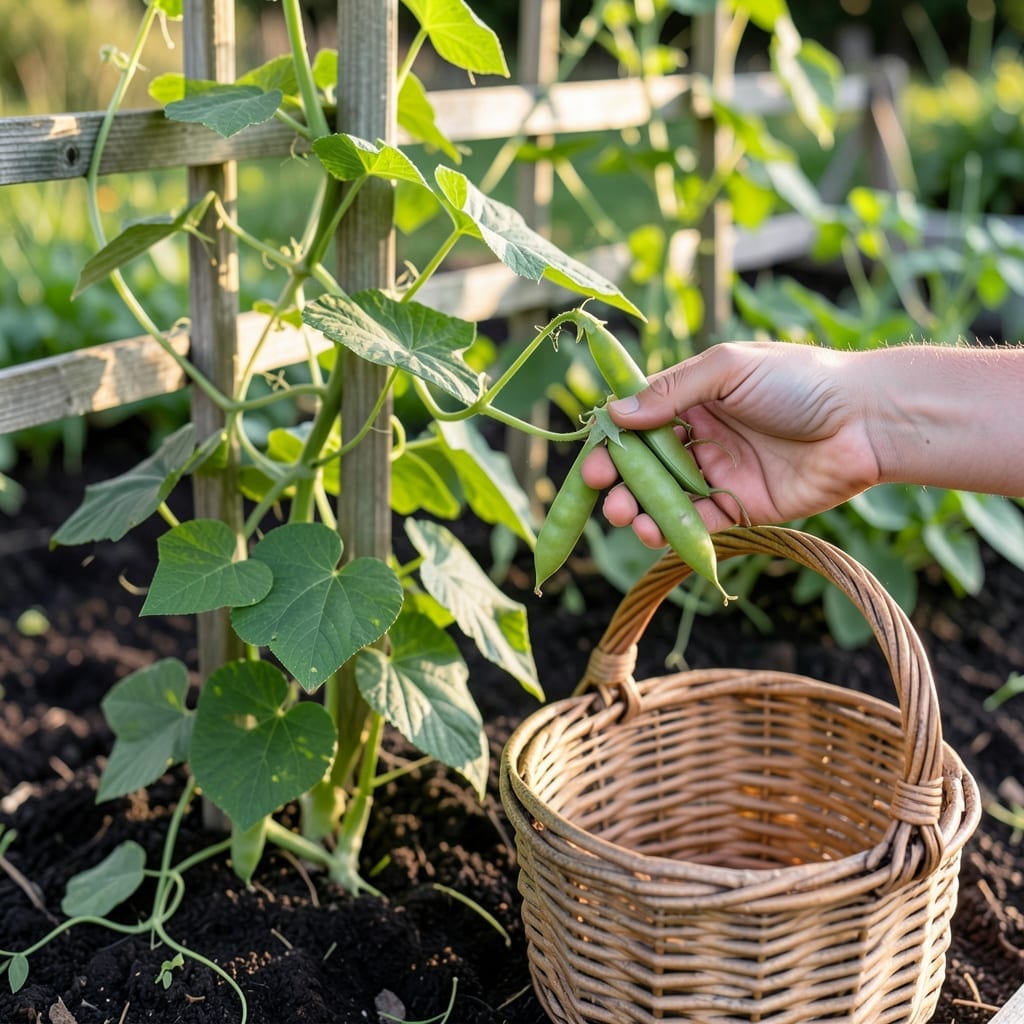
There’s nothing better than the crisp snap of a freshly picked pea pod straight from your garden. But timing is everything when it comes to harvesting these spring favorites.
The difference between a perfect harvest and a disappointing one often comes down to just a few days. I’ve learned through trial and error that waiting for the right moment makes all the difference.
With 🌱 Pea plants thriving in USDA Zone 6, knowing the visual cues can mean the difference between sweet, tender peas and tough, starchy ones. The signs are subtle but unmistakable once you know what to look for.
Discover how to spot the exact moment your peas are ready to pick, so you can enjoy the best flavor and texture every time.


I always watch for bright green pods that look plump and slightly shiny. This is the first sign that your peas are nearing peak ripeness. The color should be vibrant, not dull or pale.
The size matters too—2-4 inches long is ideal for most varieties. If the pods are still tiny and flat, they need more time on the vine.
| Pea Type | Visual Cue |
| Snap Peas | Pods are plump and peas inside visible as bumps |
| Shelling Peas | Pods turn bright green and feel firm when squeezed |
| Snow Peas | Flat pods with tiny peas barely visible |
Another key indicator is the texture of the pod. Gently bend it—if it snaps cleanly, it’s ready. If it bends without breaking, it needs more time.
For shelling peas, the peas inside should be fully formed but not overly large. If they feel hard or starchy, you’ve waited too long.
Snow peas are best picked when the peas inside are just beginning to develop. The pods should still be flat with only a slight bulge.
I check my plants daily once they start producing. Peas can go from perfect to overripe in just 24-48 hours, especially in warm weather.
The plant itself gives clues too. When the vines slow down or stop producing new flowers, it’s a sign the harvest window is closing.
Remember, regular picking encourages more production. The more you harvest, the more pods your plants will produce.
Finally, taste test a few pods if you’re unsure. The flavor should be sweet and tender, not bitter or tough. This is the surest way to confirm they’re ready.
With these visual cues, you’ll never miss the perfect harvest window again. 🌱
I always use sharp scissors or pruning shears to harvest peas, as pulling can harm the delicate vines. The key is to snip the stem just above the pod.
For continuous production, I pick peas every 2-3 days during peak season. This encourages the plant to keep flowering and producing more pods.
I avoid harvesting when the plants are wet, as this can spread fungal diseases. Early morning after the dew has dried is ideal for both plant health and pea quality.
For tall varieties like sugar snap peas, I use a small ladder or stool to reach the top pods without straining the vines. The upper pods often ripen first.
If I notice yellowing leaves or wilting vines, I prioritize harvesting all mature pods first, as the plant may be nearing the end of its productive cycle.
Regular harvesting not only gives me the best-tasting peas but also extends my harvest season by several weeks. It’s a simple practice with big rewards 🌱