
Beautiful Plants For Your Interior
Beautiful Plants For Your Interior
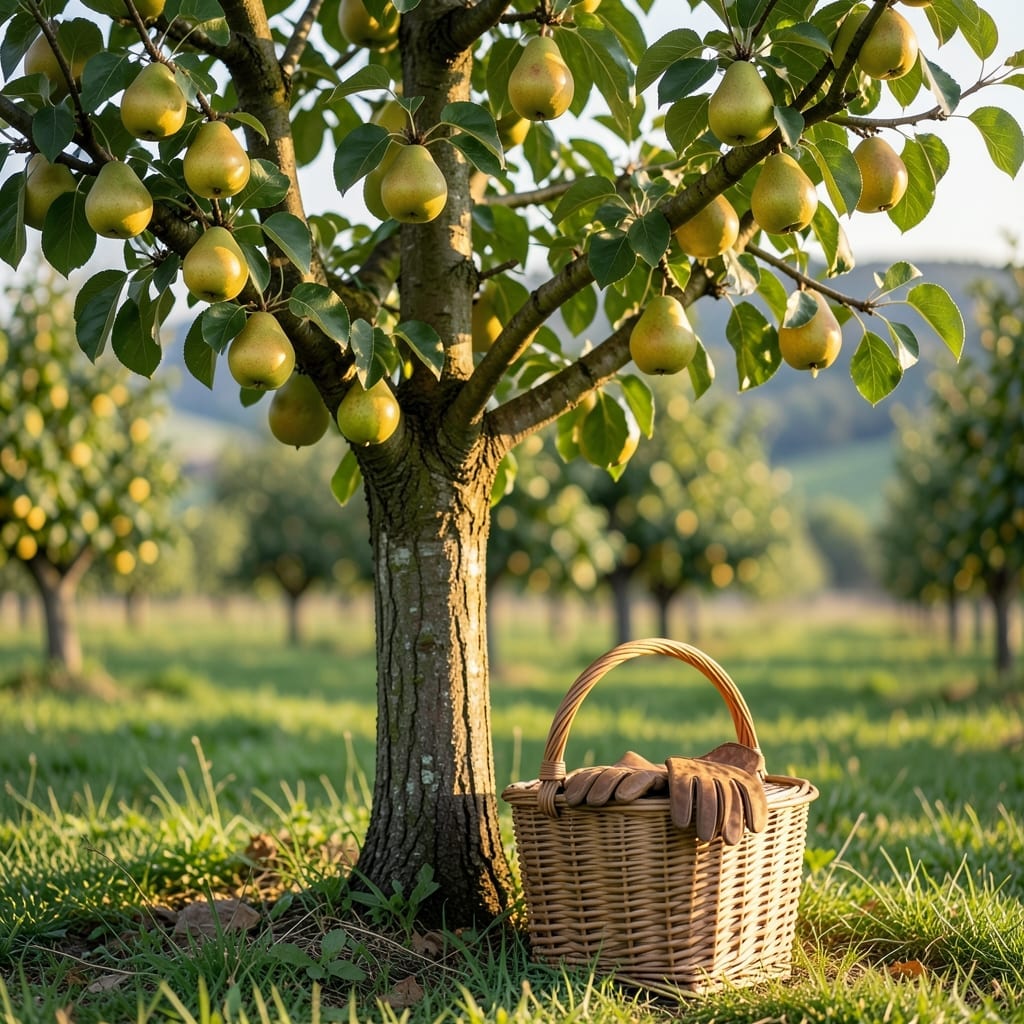
Knowing exactly when to pick pears in Oregon means the difference between tart disappointment and sweet, perfectly ripe fruit. Oregon’s diverse climate zones create unique harvest windows that every grower should understand.
The 🍐 Pear’s journey from tree to table hinges on timing. In our 8b zone, watching for visual cues becomes your most reliable guide. The transformation from green to golden is nature’s way of signaling readiness.
I’ve learned through experience that waiting for that perfect moment pays off. The fruit tells you when it’s ready – you just need to know what signs to look for. From color changes to gentle pressure tests, these indicators never lie.
Discover how to read your trees and harvest at peak perfection. With these insights, you’ll never question if your pears are ready again – you’ll simply know.


Oregon’s diverse climate zones mean pear harvest times vary significantly. In the Willamette Valley, Bartlett pears typically ripen in mid-August, while Anjou and Bosc follow in September. The Hood River area, with its cooler microclimate, often sees harvests 1-2 weeks later for the same varieties.
The southern Oregon region, with its warmer temperatures, may produce early harvests by late July for some varieties. Always monitor your local weather patterns, as unseasonal warmth or cool snaps can shift these timelines by several days. ☀️
| Variety | Willamette Valley | Hood River | Southern Oregon |
|---|---|---|---|
| Bartlett | Mid-August | Late August | Late July |
| Anjou | Early September | Mid-September | Late August |
| Bosc | Mid-September | Late September | Early September |
| Comice | Late September | Early October | Mid-September |
I always recommend checking your pears a week before the expected harvest date. Bartlett pears are the easiest to spot—their color changes from green to yellow as they ripen. For Anjou and Bosc, look for a slight softening at the stem end when gently pressed.
The Willamette Valley’s moderate climate creates ideal conditions for even ripening. However, in cooler areas like Hood River, pears may need extra time on the tree. I’ve found that southern Oregon’s hotter summers can accelerate ripening, sometimes by 7-10 days.
For Bosc pears, the russeted skin darkens as they mature. Comice pears, a favorite in Oregon, develop a golden blush when ready. Remember that pear varieties don’t always ripen simultaneously, even on the same tree.
I monitor my trees daily as harvest approaches. A gentle twist of the pear should cause it to separate easily from the branch when ready. If it resists strongly, it needs more time. The stem should remain attached to the fruit, not the tree.
Oregon’s morning fog in valleys can create ideal ripening conditions, while afternoon heat in southern regions may require earlier picking to prevent overripening. I’ve learned to adjust my expectations based on the season’s specific weather patterns.
For organic growers, the harvest window is particularly important as post-harvest treatments aren’t an option. I’ve found that proper timing at picking reduces storage issues significantly. The cool Oregon nights help maintain fruit quality after picking. 🌿
Don’t forget that tree age affects harvest times too. Younger trees often produce fruit that ripens earlier than mature trees. I track my harvest dates yearly to establish patterns for each variety in my specific location.
Oregon’s unique microclimates make pear growing exciting. Whether you’re in Portland’s suburbs or Medford’s valleys, your local conditions will influence the perfect picking time. When in doubt, taste test a pear or two from different parts of the tree. 🌱
Testing pear ripeness in Oregon requires a mix of visual cues and hands-on checks. I always start by examining the fruit color—most varieties shift from green to yellow, red, or brown when ready. This is your first clue.
Next, I use the gentle pressure test. A ripe pear will yield slightly near the stem end when pressed with your thumb. If it’s rock-hard, it’s not ready yet. This method works well for Bartlett and Anjou pears.
For Bosc pears, I rely on the stem separation test. Lift the fruit gently—if it detaches with a slight twist, it’s ready. This works because Bosc pears often don’t soften as obviously as others.
I also recommend the taste test for a few fruits. Pick one or two and let them ripen indoors. If they’re sweet and juicy, the rest of the tree is likely ready. This is especially useful in Oregon’s cooler regions.
Remember, early picking leads to grainy texture, while late harvesting can cause overripening. Timing is everything, and Oregon’s variable climate means you’ll need to monitor closely.
Finally, check the stem end for softness. A ripe pear will have a slightly spongy feel there. Combine this with the other tests for the most accurate results. Oregon growers know that patience pays off with perfect pears 🌳