
Beautiful Plants For Your Interior
Beautiful Plants For Your Interior
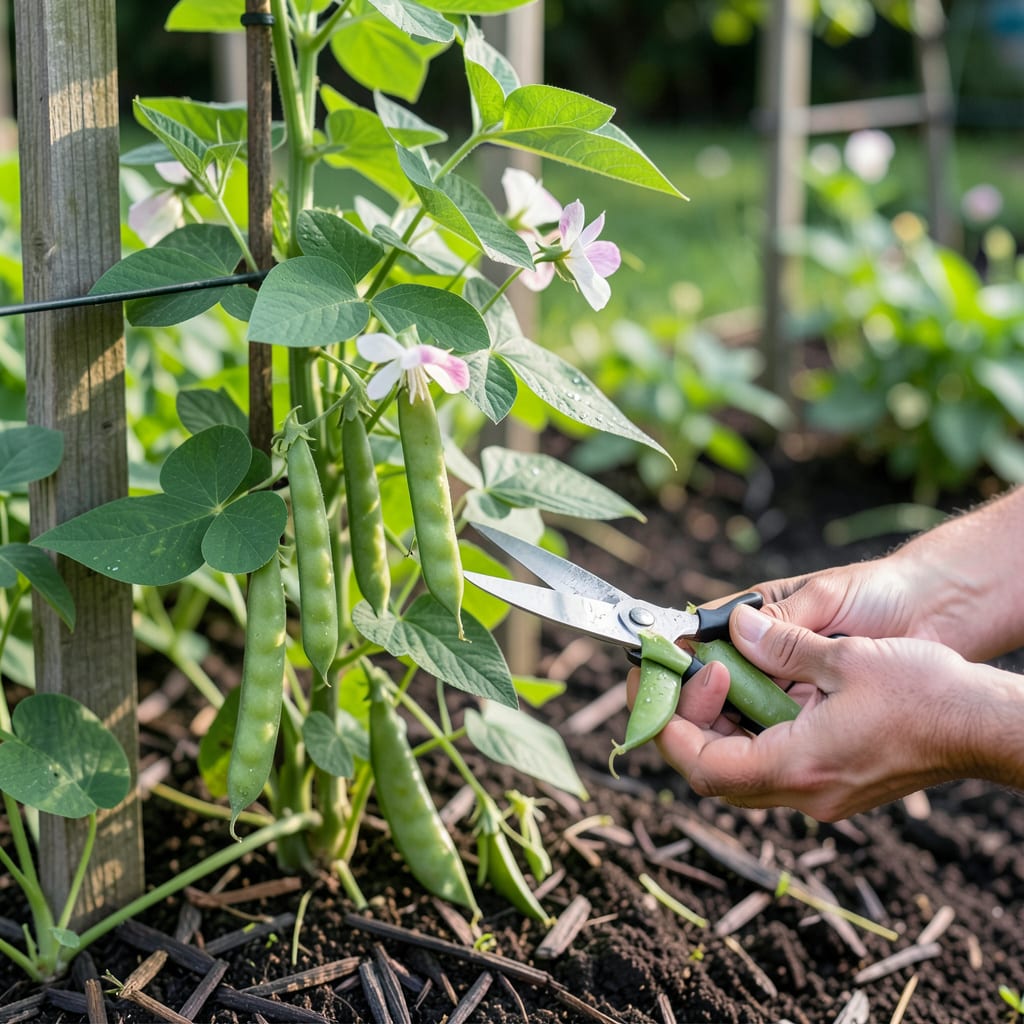
Ever struggle to know when your 🌱 Pea pods are perfectly ready? Timing is everything for that sweet, tender crunch we all love.
I’ll show you the simple signs to watch for and why picking at the right stage makes all the difference in flavor and yield. Let’s get it right this season.


Timing your pea harvest perfectly ensures the sweetest flavor and tender texture we all love. I’ve learned that watching for specific signs is far more reliable than guessing based on days since planting.
The most reliable indicators are visual cues and physical texture. Pea pods transform dramatically as they mature, and missing the ideal window by just a few days can turn a crisp snack into a starchy disappointment.
| Pea Type | Ready Sign | Size | Texture |
|---|---|---|---|
| Snap Peas | Pods plump with visible peas | 2-3 inches long | Crisp and sweet |
| Shelling Peas | Pods swollen and bright green | 3-4 inches long | Firm but not hard |
| Snow Peas | Pods flat with tiny peas | 2-3 inches long | Tender and smooth |
For snap peas, I look for pods that are plump but still flat enough to snap easily. The peas inside should be visible as small bumps, but not so large that they make the pod bulge excessively.
Shelling peas are ready when the pods are bright green and swollen. If the pods start turning yellow or feel hard, they’re past their prime and will be starchy rather than sweet.
Snow peas are the easiest to spot because they’re harvested when the pods are still flat. The peas inside should be just barely visible, and the pods should feel tender to the touch.
I always check the color first. A vibrant green means the pod is still developing its sugars. If it starts to dull or yellow, the sugars are converting to starches, and the flavor will suffer.
The texture test is simple: gently squeeze the pod. It should feel firm but not rock hard. If it’s soft or squishy, it’s overripe. For snap and snow peas, I also listen for a clean snap when I bend the pod.
Another clue is the time since flowering. Most pea varieties take 55-70 days from sowing to harvest. After flowers appear, pods typically mature in 7-10 days, depending on the weather. Cooler temps slow ripening, while heat speeds it up.
I’ve found that harvesting in the early morning gives the best results. The pods are crisp from the cooler night temps, and the sugars are at their peak. Plus, the plants are less stressed, making it easier to spot the ready pods among the foliage.
Don’t wait for all pods to mature at once. Peas ripen unevenly, so I check my plants every other day during peak season. Regular picking also encourages the plant to produce more pods, extending my harvest window.
I’ve found that early morning is the best time to harvest pea pods. The cooler temps keep the pods crisp and sweet, while the plants are less stressed from heat.
Using the right tools makes a difference too. I prefer sharp scissors or pruning shears for a clean cut, but you can also use your hands if you’re gentle. Always hold the vine with one hand to avoid pulling it from the soil.
I always check my plants every 2-3 days during peak harvest season. Pea pods mature quickly, and waiting too long can lead to overripe pods that are tough and starchy.
If the weather is hot and dry, I might harvest in the late afternoon instead. The pods will still be sweet, but the plants will be less stressed from the heat of the day.
For tools, I recommend keeping a small basket or harvest bag handy. This lets you collect pods with one hand while using the other to steady the vine. It’s a simple trick that keeps the process smooth and efficient.
Finally, always inspect the pods as you pick. Look for the bright green color and firm texture we discussed earlier. If a pod doesn’t meet these criteria, leave it on the vine for another day or two.
Regular harvesting encourages the plant to produce more pods, so don’t be shy about picking. The more you harvest, the more your pea plants will reward you with fresh, delicious pods.
Even experienced gardeners can make simple mistakes that reduce pea pod quality. I’ve learned the hard way that timing and technique matter just as much as plant care.
One of the biggest errors is waiting too long to harvest. Overripe pods turn starchy and tough, losing their sweetness. On the flip side, picking too early means missing out on full flavor development.
⚠️ Warning: Avoid harvesting when pods are wet from rain or dew. This can spread disease and reduce storage life of your pea pods.
Another common mistake is using dull tools or pulling pods roughly. This can damage the vine and reduce future yields. Always use sharp scissors or your fingernails to snip pods cleanly.
I also see gardeners neglecting to check plants regularly. Peas mature quickly, and a 2-3 day delay can mean the difference between perfect pods and overripe ones. Make harvesting part of your daily garden routine.
Finally, don’t forget post-harvest care. Leaving picked pods in the sun can cause them to wilt. I immediately move mine to a shaded area and use or store them within hours for the best flavor and texture.
By avoiding these pitfalls, you’ll enjoy a longer harvest season with consistently high-quality pea pods from your garden ☀️
Check your plants every 2-3 days during peak season. Pea pods mature quickly, and regular checking ensures you catch them at their sweetest before they become tough.
Avoid harvesting when pods are wet. This can spread disease and reduce how long your peas stay fresh after picking. Always wait for dry conditions.
Overripe pods turn starchy and tough, losing their sweet flavor. The sugars convert to starches as they mature, making them less enjoyable to eat.
Early morning is ideal because pods are crispest and sweetest then. If it’s hot, late afternoon works too, but avoid midday heat.
