
Beautiful Plants For Your Interior
Beautiful Plants For Your Interior
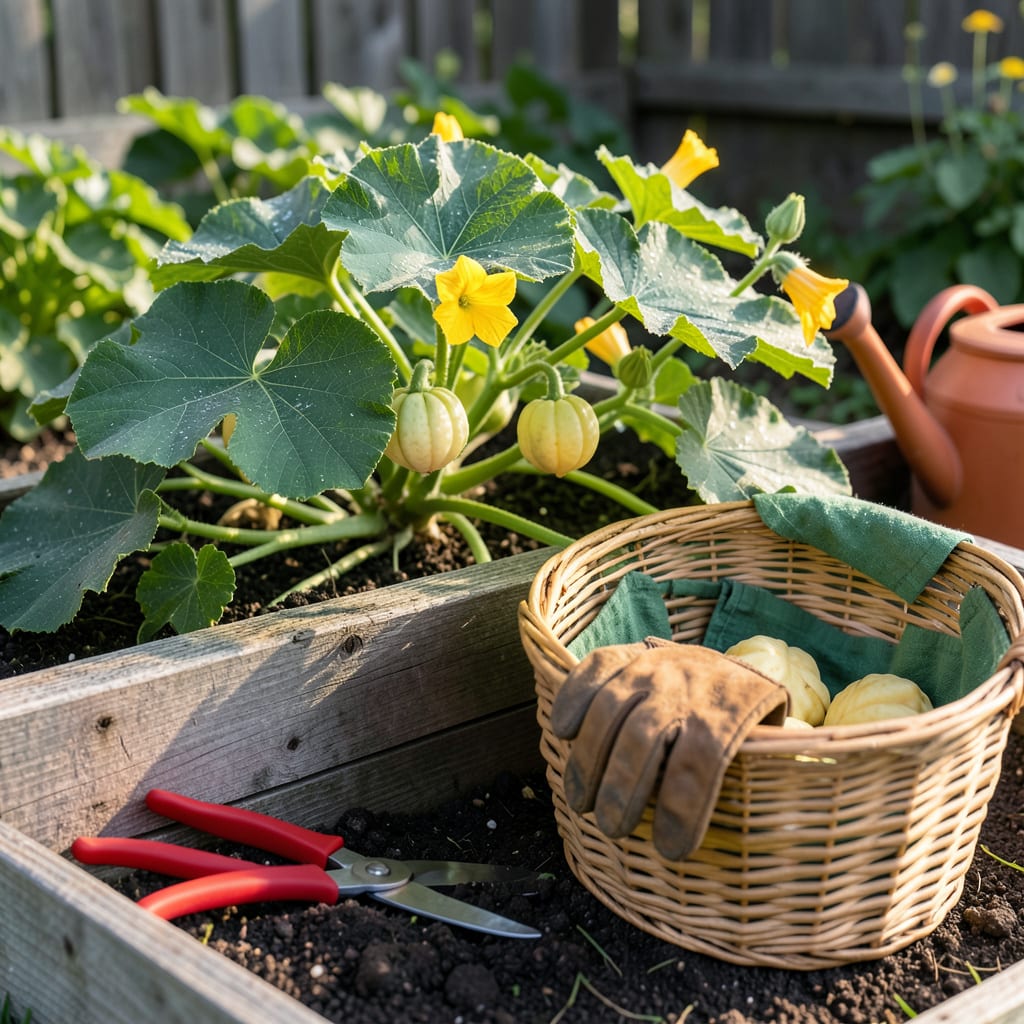
There’s nothing worse than watching your 🌱 patty pan squash transform from tender delights into oversized, seedy disappointments. That perfect window between too small and too late is narrower than you think – and timing is everything.
I’ll show you exactly how to spot the subtle signs of peak ripeness, from size to skin texture. Whether you’re a first-time grower or looking to refine your harvest, these simple tricks will ensure every squash comes off the vine at its flavorful best.


Patty pan squash grows incredibly fast—sometimes doubling in size overnight. The secret is catching them when they’re 1-3 inches wide, before their skin toughens. I check mine daily during peak season because missing that perfect window by just 24 hours can turn a tender squash into a fibrous baseball.
Look beyond size: color intensity and skin texture reveal more than measurements. A ready patty pan will have a vibrant green or yellow hue (depending on variety) and feel slightly yielding when pressed—not rock-hard like an unripe one or mushy like an overgrown disappointment.
| Harvest Sign | What to Look For | Too Early | Too Late |
|---|---|---|---|
| Size | 1-3 inches diameter | Under 1 inch | Over 4 inches |
| Color | Deep green/yellow | Pale or streaked | Dull or yellowing |
| Skin Texture | Slight give when pressed | Rock-hard | Soft or spongy |
| Stem | Firm but snaps easily | Won’t separate | Woody or cracked |
The stem connection tells you everything. A ripe patty pan will detach with a gentle twist—no knife needed. If you’re wrestling with it, walk away and check again tomorrow. I’ve ruined more squash by forcing the harvest than by waiting an extra day.
Watch for glossy skin—that’s nature’s way of saying “pick me now!” Dull skin means you’ve waited too long. The same goes for weight: a ready squash feels surprisingly heavy for its size, while an overripe one feels hollow or lopsided.
Timing varies by variety: green patty pans often mature faster than yellow ones. When in doubt, harvest the largest ones first—they’ll turn fibrous fastest. I keep a small basket by my garden to collect daily harvests during peak season.
Don’t forget the “thumbnail test”—press your nail into the skin. If it leaves a mark, it’s ready. No mark? Too early. If your nail sinks in? You’ve waited too long and should compost that one instead of your dinner plate.
Morning is the best harvest time—plants are hydrated, and squash will be crispest. Use clean pruners or scissors if twisting feels awkward. Always leave 1 inch of stem attached to prevent rot during storage.
Remember: smaller is better with patty pans. Those cute 2-inch squash will taste sweeter and more tender than their 5-inch cousins. I aim for daily harvests in July/August when plants are most productive.
If you spot flowers still attached, you’re right on time. Those blossoms should slip off easily when the squash is ready. But if you see wilted flowers still clinging, you’ve missed your window—those squash will be bitter.
Patty pan squash doesn’t wait for anyone—these fast-growing veggies can go from perfect to overripe in just 24-48 hours during peak season. I make it a habit to check my plants every morning in July and August when production is highest. You’ll be amazed how quickly new squash appear!
The golden rule: harvest every 2-3 days once production starts. This isn’t just about getting tender squash—it’s about encouraging more production. Each squash left on the vine signals the plant to slow down. I’ve doubled my yields just by staying on top of harvesting.
Leaving squash on the vine more than 3 days causes two problems: the current squash gets tough, and the plant produces fewer new flowers. Check plants daily during peak season!
Use the right tools for clean harvests. I prefer sharp pruners for thick stems, but many patty pans twist off easily by hand. Always cut or twist close to the vine—leaving long stems can create entry points for pests. Sterilize tools weekly with rubbing alcohol to prevent disease spread.
Morning harvesting makes a difference. The cool temperatures keep squash firmer, and plants are fully hydrated. I bring a small bucket of water to rinse dirt off immediately—this prevents soil-borne bacteria from spreading in your kitchen. Never wash squash until ready to use if storing long-term.
Watch for production cycles. Most patty pan plants produce heavily for 2-3 weeks, then slow down. When you notice fewer new squash, give plants a balanced fertilizer boost (5-5-5 works well) and increase water slightly. This often triggers a second flush of production.
End-of-season tip: As days shorten in early fall, squash may grow slower. Adjust to harvesting every 4-5 days but watch sizes carefully—cooler weather can make them mature more slowly while still getting tough if left too long.
Even the most vigilant gardeners sometimes miss that perfect harvest window. When your patty pan squash grows beyond 4 inches, don’t despair—there are still ways to use these giants. I’ve found that overgrown squash can be transformed with the right approach.
The first step is assessing size. Squash under 6 inches can often be salvaged by peeling and removing seeds. These work well for grating into muffins or sautéing with onions. Larger specimens (6-8 inches) are perfect for stuffing—their size becomes an advantage!
To prevent future oversized squash, adjust your harvest routine. Set phone reminders to check plants every 24 hours during peak season. I use a color-coded tag system—green tags for ready-to-pick, yellow for “watch closely,” and red for overgrown.
If you consistently find overgrown squash, consider plant spacing. Crowded plants produce fewer, larger fruits. Give each plant 3-4 square feet of space. Also check your fertilizer balance—too much nitrogen encourages leafy growth over fruit production.
End-of-season squash often grows larger due to cooler temperatures slowing maturation. In fall, I harvest slightly earlier than summer, aiming for 2-inch diameter instead of 3. The “thumbnail test” becomes even more important as growth rates change with the season.
Remember that even “failed” squash serve a purpose. Large patty pans make excellent compost material, breaking down quickly to nourish next year’s garden. I keep a dedicated compost bucket near my squash patch for immediate disposal of overgrown specimens.
If your patty pan squash is under 1 inch wide, it’s not quite ready. Look for a vibrant color and firm skin—these develop as the squash matures. Tiny squash often lack flavor and texture, so patience pays off here.
Early morning is ideal when plants are fully hydrated. The squash will be crispest, and cool temperatures help preserve freshness. Avoid harvesting in the afternoon heat, which can make squash wilt faster.
While texture changes, overgrown patty pans work great for stuffing, grating into baked goods, or composting. Peel and remove seeds from larger ones before cooking.
Regular harvesting every 2-3 days signals the plant to produce more flowers. Neglecting to pick mature squash tells the plant to slow down. Consistent harvesting can nearly double your total yield!
