
Beautiful Plants For Your Interior
Beautiful Plants For Your Interior
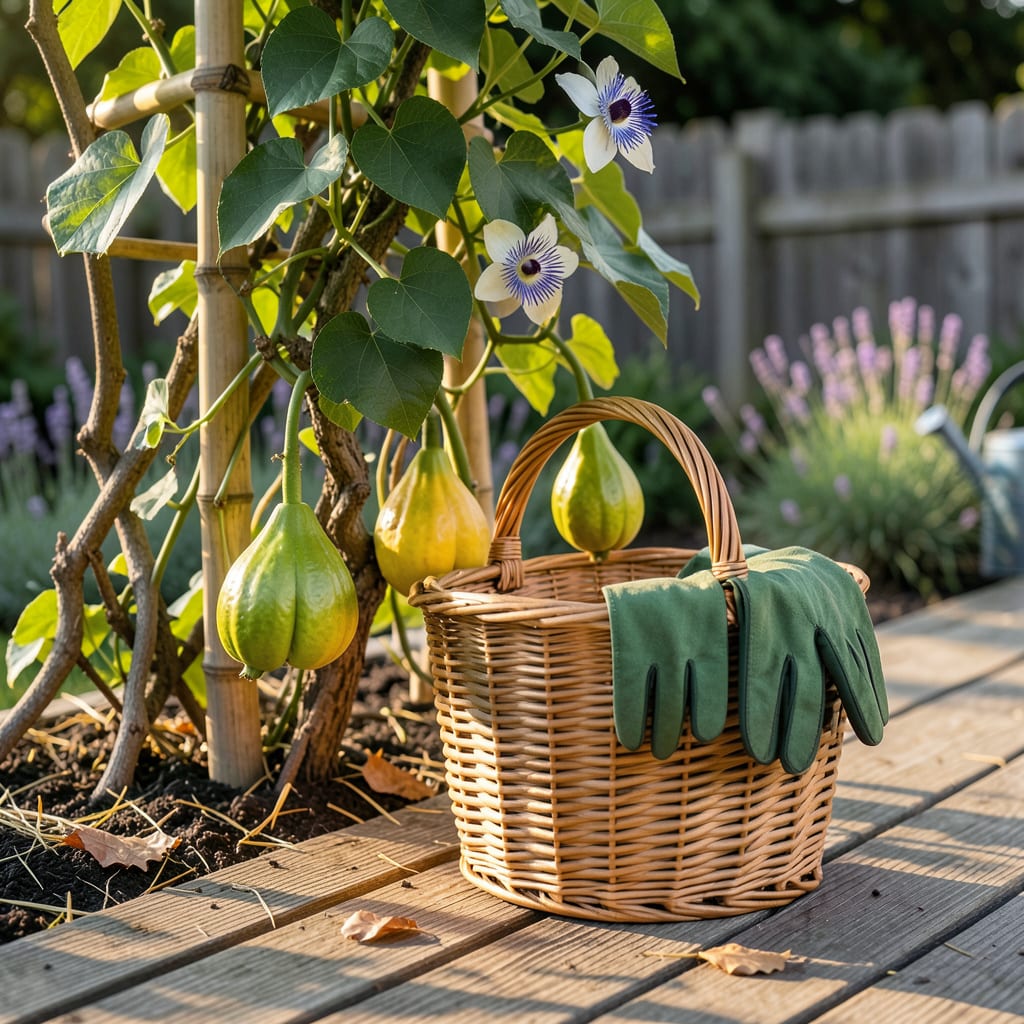
There’s nothing quite like biting into a perfectly ripe passionfruit—its sweet-tart juice bursting with tropical flavor. But pick it too soon, and you’ll get a mouthful of sour disappointment. Timing is everything when it comes to harvesting this finicky fruit.
I’ve learned the hard way that waiting for the right signs—like a deep purple hue and slight wrinkling—makes all the difference. Let me show you exactly how to spot that juicy window of opportunity, so every 🥭 you pluck is worth the wait.


Knowing exactly when to pick passionfruit starts with observing its color transformation. A ripe passionfruit shifts from glossy green to a deep purple or golden yellow, depending on the variety. This isn’t just cosmetic—it signals the fruit’s sugar levels are peaking.
The skin texture tells another story. As passionfruit ripens, its smooth surface develops slight wrinkles, almost like it’s shrinking into itself. This wrinkling happens because the fruit loses moisture as it sweetens. Don’t confuse this with shriveling—healthy ripening looks plump, not deflated.
| Ripeness Sign | What to Look For | Why It Matters |
|---|---|---|
| Color Change | Deep purple or golden yellow | Indicates sugar development |
| Skin Wrinkling | Slight dimples, not deep creases | Shows moisture loss = concentrated flavor |
| Gentle Give | Yields to light finger pressure | Signals soft pulp inside |
| Stem Dryness | Tendril near fruit turns brown | Vine’s signal that feeding is complete |
| Easy Detachment | Twists off vine with minimal effort | Natural abscission layer has formed |
Next, use the touch test. Gently squeeze the fruit—it should feel heavy for its size and give slightly, like a ripe avocado. If it’s rock-hard, it needs more time. Overly squishy means it’s past its prime. The weight comes from the juicy pulp inside, so heavier usually means juicier.
Don’t ignore the aroma. A ripe passionfruit emits a sweet, tropical fragrance. If you can’t smell anything, it’s not ready. The scent intensifies as the fruit matures, so your nose is a great tool. This is especially helpful for golden varieties, which can be harder to judge by color alone.
Check the tendril near the fruit—this curly vine attachment turns from green to brown and dries out when the fruit is ripe. It’s the plant’s way of saying, “This one’s done!” If the tendril is still flexible and green, give it more time. This trick works even if the fruit’s color is misleading.
The final test is the twist-and-pull method. A ripe passionfruit will detach from the vine with a gentle twist. If you’re wrestling with it, it’s not ready. Forcing it off can damage the vine and leave you with underripe fruit. Patience here prevents torn stems and disappointed taste buds.
Remember that climate affects timing. In tropical zones, passionfruit may ripen year-round, while temperate regions see a shorter window (usually late summer to early fall). Cooler areas might need to wait until the fruit drops naturally, while warmer climates can pick slightly earlier to avoid overripening on the vine.
For unripe fruit, don’t despair. Passionfruit will continue ripening off the vine at room temperature. Place them in a paper bag with a banana to speed things up. Check daily—they can go from underripe to overripe in just 2-3 days. Once ripe, store in the fridge for up to a week.
Pro tip: If you’re growing multiple varieties, note that purple passionfruit (like Passiflora edulis) ripens faster than golden types (like Passiflora ligularis). The golden ones often need an extra week or two on the vine. Keep a harvest log to track which varieties perform best in your microclimate.
By combining these visual, tactile, and aromatic cues, you’ll never second-guess your harvest again. The reward? Fruit so sweet and fragrant it’ll make your morning yogurt—or straight-off-the-vine snacking—unforgettable. 🌿
Passionfruit doesn’t follow a one-size-fits-all harvest schedule—your local climate plays a huge role. In tropical zones like Florida or Hawaii, you might pick fruit year-round, while temperate regions (think California or Australia) have a tighter window. I’ve seen vines loaded with fruit in December in Miami but barren by November in cooler areas.
The key is watching your microclimate. Coastal areas with mild winters often extend the season by a month or more. If you’re in a frost-prone zone, aim to harvest all fruit before the first freeze—passionfruit vines (and their fruit) hate temperatures below 32°F. Timing varies, but here’s a regional breakdown to guide you.
| Region | Primary Harvest Months | Notes |
|---|---|---|
| Tropical (FL, HI, Caribbean) | Year-round, peak May–Oct | Fruit ripens faster; watch for pests in wet season. |
| Subtropical (CA, AZ, Australia) | July–Dec, peak Sept–Nov | Cooler nights slow ripening; harvest before 50°F. |
| Temperate (GA, NC, Mediterranean) | Aug–Oct | Short season; protect vines from early frost with row covers. |
✅ Pro Tip: In cooler areas, pick fruit slightly early and ripen indoors at room temp.
If you’re in a coastal area, salt spray can stress vines and delay ripening by weeks. I’ve found that passionfruit near the ocean often needs an extra 10–14 days to fully sweeten. Conversely, inland heatwaves can speed up the process—check vines daily when temps top 90°F.
For container-grown passionfruit, microclimates matter even more. Potted vines on a sunny patio may ripen fruit 2–3 weeks earlier than those in partial shade. Move pots to follow the sun if needed, but avoid drastic temperature swings—passionfruit dislikes sudden chills below 55°F.
Don’t forget about elevation! Higher altitudes (above 1,000 ft) often mean cooler nights, which can push harvest times later by a month. If you’re gardening in the foothills, add 2–4 weeks to the typical regional window. When in doubt, let the fruit’s color and aroma be your guide.
Finally, keep a harvest journal for a few seasons. Note when your first fruit ripens each year—you’ll start to see patterns based on your unique conditions. Passionfruit vines are generous producers, but they reward gardeners who pay attention to their rhythms and local weather quirks. 🌱
Even experienced gardeners can sabotage their passionfruit harvest with simple oversights. The biggest mistake I see? Picking too early. That glossy green fruit might look tempting, but it’ll be painfully sour—like biting into a lemon. Wait for the skin to dull and wrinkle slightly before harvesting.
On the flip side, leaving fruit on the vine too long leads to fermentation. Overripe passionfruit develops a boozy smell and mushy texture. In hot climates, this can happen in just 24–48 hours after peak ripeness. Check vines daily during harvest season to catch fruit at its prime.
💡 Quick Fix: If you’ve picked underripe fruit, place it in a paper bag with a banana to speed ripening.
Another critical error is ignoring post-harvest care. Passionfruit continues ripening after picking, but only if stored properly. Leaving them in direct sunlight causes uneven ripening, while refrigerating unripe fruit halts the process. Store at room temperature until fully ripe, then refrigerate for up to a week.
Many gardeners overlook the tendril test. That little curly stem attached to the fruit is your best indicator. When it turns from green to brown and becomes brittle, the fruit is ready. I’ve saved countless passionfruit by checking this simple detail before harvesting. It’s especially useful for golden varieties, which can be tricky to judge by color alone.
Finally, don’t forget about vine health during harvest. Aggressive picking can stress the plant. Always use sharp pruners to snip fruit stems cleanly, and avoid tearing the vine. Leave a short stem attached to prevent rot. Healthy vines mean more fruit next season, so handle them with care throughout the harvesting process. 🪴
The skin will change from glossy green to deep purple or golden yellow, depending on the variety. Look for slight wrinkling—this indicates the fruit is losing moisture and sweetening. The skin should appear dull rather than shiny.
Underripe passionfruit will taste painfully sour and lack the signature tropical sweetness. The pulp will be firm and pale instead of juicy and vibrant. If you’ve picked early, place it in a paper bag with a banana to speed up ripening.
Yes, overripe fruit will ferment quickly, developing a boozy smell and mushy texture. In hot climates, this can happen in just 24–48 hours after peak ripeness. Check vines daily during harvest season to catch fruit at its prime.
That tendril turns from green to brown and brittle when the fruit is ready. It’s the plant’s way of signaling the fruit is done growing. This is especially helpful for golden varieties, which can be harder to judge by color alone.
Store at room temperature until fully ripe, then refrigerate for up to a week. Avoid direct sunlight, which causes uneven ripening. If unripe, place in a paper bag with an ethylene-producing fruit (like a banana) to accelerate the process.
