
Beautiful Plants For Your Interior
Beautiful Plants For Your Interior
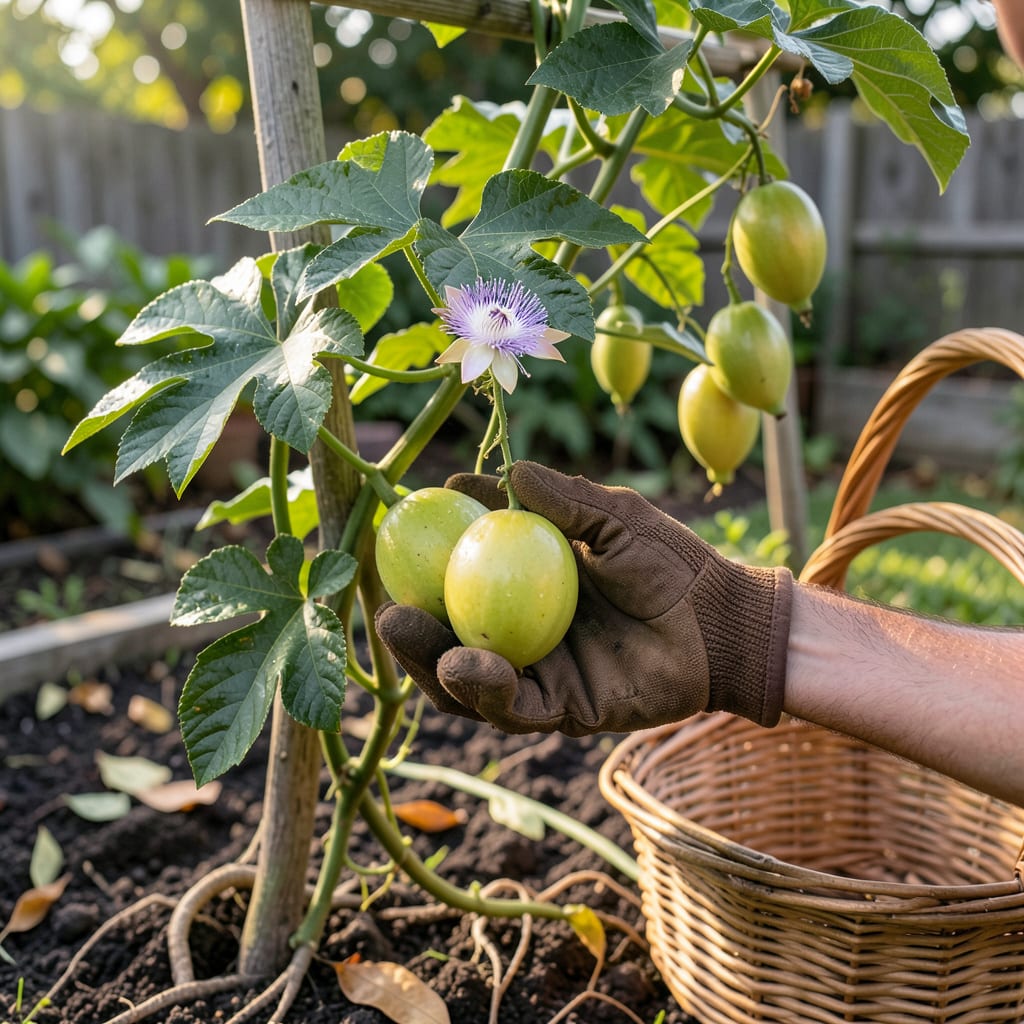
There’s nothing quite like biting into a perfectly ripe passion fruit—its tropical sweetness bursting with every spoonful. But here’s the catch: picking it too soon means tart disappointment, while waiting too long risks fermented mush. I’ve learned the hard way that timing is everything.
After years of testing (and tasting!), I’ve narrowed down the foolproof signs that tell you your 🥭 Passion Fruit is at peak ripeness. No guesswork, no wasted harvests—just juicy, sun-ripened perfection every time. Let me show you exactly what to look for and when.


Timing your passion fruit harvest is more art than science—but once you know the visual and tactile cues, it becomes second nature. The fruit won’t ripen further once picked, so waiting for the right moment is crucial. I’ve found that color, texture, and scent are your best guides.
Different varieties (like purple or yellow passion fruit) may have slight variations, but the core signs remain consistent. For example, purple passion fruit deepens to a near-black hue, while yellow varieties turn golden. Let’s break down the foolproof indicators so you never second-guess again. 🥭
💡 Pro Tip: Shake the fruit near your ear—ripe passion fruit has a sloshing sound from the gelatinous pulp inside!
The “slosh test” is my favorite trick for confirming ripeness. Hold the fruit to your ear and give it a gentle shake. If you hear the pulp moving freely, it’s ready. No sound means the pulp hasn’t fully developed yet. This works because the seeds loosen as the fruit matures.
For yellow passion fruit varieties like Passiflora ligularis, the color shift is more subtle. Instead of waiting for deep purple, look for a dull golden hue with slight wrinkling. These often ripen 1-2 weeks later than purple types, so patience is key. I mark my calendar 90-110 days after flowering to start checking.
If you’re growing in cooler climates (Zones 6-8), passion fruit may take 10-14 extra days to ripen compared to tropical regions. Watch for early frost warnings—if temperatures drop below 32°F, harvest all nearly-ripe fruit and ripen indoors. Place them in a paper bag with a banana to speed up the process.
Here’s a trick I swear by: taste-test one fruit first. Pick the most wrinkled, deepest-colored fruit on the vine and cut it open. If the pulp is bright yellow-orange and the flavor is sweet-tart with no bitterness, the rest are ready. If it’s still tart, wait 3-5 more days before harvesting the batch.
Passion fruit vines often drop ripe fruit naturally—a phenomenon called “abscission.” If you find fallen fruit with no damage, it’s likely at peak ripeness. However, don’t rely solely on this; some varieties cling to the vine even when overripe. I place a soft net or mulch under vines to catch any unexpected drops.
For container-grown passion fruit, ripening can be uneven due to limited root space. Check fruits individually, as those near the vine’s base often mature first. I’ve noticed potted plants may need 10-20% more time to ripen compared to in-ground vines, so adjust your timeline accordingly. ☀️
Finally, if you’re saving seeds, slightly overripe fruit (with fermented pulp) actually improves germination rates. The natural fermentation breaks down the seed coat, making sprouting easier. Just rinse the seeds thoroughly and dry them before storing. For eating, though, stick to the 5 signs above for the best flavor!
Not all passion fruits ripen on the same schedule—variety and climate play huge roles in determining your harvest window. I’ve grown everything from classic purple passion fruit to tropical banana passion fruit, and each has its own timeline. Understanding these differences prevents disappointing early picks.
Most varieties take 90-130 days from flower to ripe fruit, but factors like temperature, sunlight, and vine age can shift this. Cooler zones may add 2-3 weeks to the process, while tropical regions often see faster ripening. Let’s compare the most common types so you’ll know exactly when to start checking your vines. 🌱
| Variety | Days to Ripen | Peak Season | Ripeness Clue |
|---|---|---|---|
| Purple Passion Fruit (Passiflora edulis) | 90-110 days | Late summer-fall | Skin turns deep purple/black |
| Yellow Passion Fruit (Passiflora edulis f. flavicarpa) | 100-120 days | Fall-early winter | Golden-yellow with slight wrinkles |
| Banana Passion Fruit (Passiflora mollissima) | 120-130 days | Late fall-winter | Elongated shape, pale yellow skin |
| Giant Granadilla (Passiflora quadrangularis) | 130-150 days | Summer-fall | Football-sized, greenish-yellow |
💡 Note: Tropical climates may shorten ripening by 10-15 days; cooler zones (below Zone 9) often extend it.
For purple passion fruit, the most common backyard variety, I start checking vines 80 days after flowering. The fruit will shift from green to purple, but the real tell is the wrinkling. In my Zone 7 garden, I’ve found they often need the full 110 days due to cooler nights slowing sugar development.
Yellow passion fruit thrives in warmer climates and typically ripens 10-14 days later than purple types. The color change is subtler—look for a shift from bright green to dull gold with a slight give when squeezed. In Florida or California, these may ripen faster, sometimes in as few as 90 days during peak summer heat.
If you’re growing banana passion fruit, patience is key. These tropical natives take 30% longer to ripen than standard varieties. I’ve had best success harvesting them in late fall, just before first frost. Their elongated shape and pale yellow hue when ripe make them easy to spot among the vines. A light floral aroma is another dead giveaway.
In container gardens, all varieties tend to ripen 1-2 weeks slower due to restricted root growth. I compensate by using larger pots (15+ gallons) and adding a trellis for support. Even then, expect to wait closer to the maximum days listed for your variety. Regular feeding with a 10-10-10 fertilizer every 4 weeks helps speed things up. ☀️
Timing your passion fruit harvest isn’t just about flavor—it affects everything from texture to shelf life. I’ve ruined batches by picking too soon (bitter, hard pulp) and lost fruit by waiting too long (fermented, mushy messes). The good news? There are ways to salvage slightly mistimed harvests if you act fast. 🌱
Underripe passion fruit is the most common mistake. The pulp will be pale yellow-green, tart to the point of bitterness, and lacking the signature tropical aroma. The seeds may also feel unpleasantly crunchy rather than slippery-smooth. While you can’t reverse ripeness, you can improve slightly early-picked fruit by storing it at room temperature for 3-5 days.
💡 Salvage Tip: Overripe fruit can be strained for juice or frozen for smoothies. Underripe fruit may improve with ethylene exposure (store with bananas).
Overripe passion fruit develops a sharp, almost alcoholic tang as the sugars ferment. The skin becomes overly wrinkled and may develop mold spots, while the pulp turns watery. In extreme cases, you might even see tiny sprouts emerging from the seeds—a sign the fruit is trying to reproduce! These are best used immediately for juicing or composting.
For slightly underripe fruit, try the paper bag method: Place fruit in a bag with a ripe banana or apple at room temperature. The ethylene gas released will accelerate ripening. Check daily—this can take 2-5 days. I’ve rescued many batches this way, though the flavor won’t match vine-ripened fruit.
If you’re dealing with overripe fruit, don’t toss it! The pulp can be strained and frozen in ice cube trays for later use in drinks or desserts. The seeds are also still viable for planting—just rinse and dry them. I once grew an entire new vine from seeds saved from overripe fruit that had started fermenting on the counter. ☀️
Remember that container-grown passion fruit often ripens less evenly than ground-planted vines. Check fruits individually and harvest in stages. I’ve found that potted plants benefit from consistent moisture to prevent premature ripening or uneven sugar development. A drip irrigation system on a timer helps maintain this balance.
Look for deep color changes (purple turns nearly black, yellow shifts to golden) and wrinkled skin covering 50-70% of the surface. Gently shake the fruit—ripe ones will have a sloshing sound from loose pulp. The stem should also feel dry and brittle.
Keep whole fruit at room temperature for up to 5 days or refrigerate in a paper bag for 7-10 days. Avoid washing until ready to use—moisture speeds up spoilage. For cut fruit, store pulp in an airtight container for 2-3 days max.
Slightly underripe fruit can ripen further if placed in a paper bag with a banana or apple at room temperature. Check daily—this takes 2-5 days. However, fruit picked too early may stay tart. For best flavor, always harvest when fully ripe on the vine.
Bitterness usually means it was picked too early. Underripe fruit has pale pulp and hard seeds. If your climate is cool, try leaving fruit on the vine 5-7 extra days. Taste-test one first—if it’s still bitter, wait before harvesting the rest.
Start checking 90 days after flowering, then inspect every 2-3 days as fruit nears maturity. In warm climates, daily checks may be needed during peak season. For container-grown plants, monitor individually—fruits near the vine’s base often ripen first.
