
Beautiful Plants For Your Interior
Beautiful Plants For Your Interior
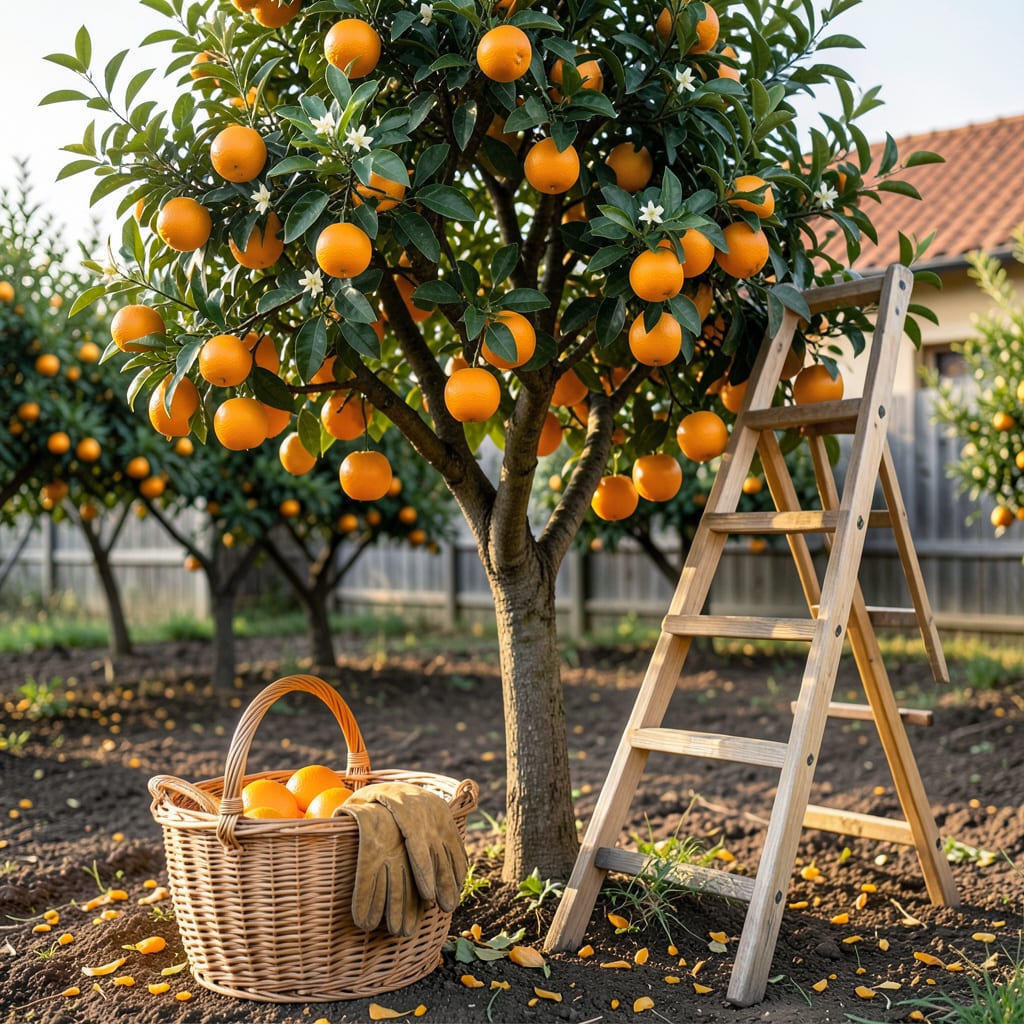
There’s nothing quite like biting into a perfectly ripe 🍊 Orange—sweet, juicy, and bursting with flavor. But pick it too soon, and you’ll get a mouthful of sour disappointment. Timing is everything when it comes to harvesting these citrus gems.
Whether you’re growing Navel, Valencia, or another variety, knowing the right moment to pluck them from the tree makes all the difference. I’ll walk you through the key signs of ripeness and how to avoid the common mistakes that ruin flavor. Let’s make sure your harvest is nothing short of perfect.


Knowing exactly when to pick oranges can feel like a guessing game, but your tree actually gives you clear signals if you know where to look. The first clue isn’t just color—it’s a combination of size, texture, and ease of detachment. I’ve seen many gardeners make the mistake of pulling fruit too early because it “looks ready.”
For most varieties, oranges reach peak ripeness 7–12 months after flowering, depending on the type. But timing varies wildly: Navel oranges often ripen in winter, while Valencia oranges might stay greenish even when fully sweet. That’s why I rely on the “twist test”—if the fruit resists, it’s not ready.
Pro Tip: Valencia oranges can “re-green” in warm climates—trust the twist test over color!
I always tell new gardeners: Don’t judge by color alone. Some oranges, like Valencias, stay partially green even when ripe. Instead, focus on the stem attachment. A ripe orange will release with a gentle twist, almost like it’s offering itself to you. If you’re yanking, it’s not ready.
The taste test is my secret weapon. Pick one fruit and sample it—if it’s sweet with balanced acidity, the rest are likely ready. If it’s still tart, give them another 7–10 days. Remember, oranges don’t ripen further once picked, so patience pays off.
Size matters too. Most oranges reach 2.5–4 inches in diameter when mature. If they’re still small, they need more time on the tree. For dwarf varieties, expect fruit about 20% smaller. I’ve found that measuring a few sample fruits helps take the guesswork out of timing.
Weather plays a sneaky role. A cold snap can sweeten oranges faster, while heat waves might delay ripening. In my Florida garden, I’ve noticed fruit ripens 2–3 weeks earlier than in California’s cooler coastal areas. Keep an eye on local patterns.
One mistake I made early on? Waiting too long. Overripe oranges become dry and pithy, and their skins thicken. If you see fruit dropping naturally, it’s a sign the harvest window is closing. Aim to pick when 80% of the crop shows ripeness signs.
For Navel oranges, look for a slight “belly button” depression at the blossom end—it deepens as they ripen. Blood oranges develop a reddish blush when ready. Each variety has its quirks, so get to know your tree’s specific habits.
Finally, harvest gently to avoid damaging next year’s buds. Use pruning shears if the stem resists, cutting about ½ inch above the fruit. I wear gloves to protect both my hands and the tree’s delicate branches. Store picked oranges at room temperature for up to a week, or refrigerate for longer freshness.
Remember, the perfect pick comes down to observation and patience. Your tree will reward you with the juiciest, sweetest fruit when you let it guide you. Now go enjoy that harvest—you’ve earned it! 🍊
Not all oranges ripen on the same schedule—your variety and local climate play huge roles. I’ve learned the hard way that a Navel orange in December might be perfect, while a Valencia in the same tree could need months more. Let’s break down the timelines so you don’t miss your window.
In warmer zones like Florida (Zone 9–11), oranges often ripen 2–4 weeks earlier than in cooler areas like California’s coast (Zone 8–9). A surprise frost can rush sweetness, while heat waves might stall ripening. I track my tree’s progress weekly once we hit fall to avoid surprises.
Pro Tip: Valencia oranges can hang on the tree for months—pick as needed, but don’t wait past June or quality drops.
If you’re growing dwarf varieties, expect fruit 3–4 weeks earlier than standard trees. Their compact size means faster energy focus on ripening. I’ve noticed my dwarf Navel produces ready-to-pick oranges by late October, while the full-size tree lags behind.
For coastal gardeners, that ocean breeze can extend your harvest window. My California friends pick Valencias in July, while my inland tree finishes by May. Keep a harvest journal to note yearly shifts—it’ll help you predict next season’s timing.
Here’s a trick for Blood oranges: the deeper the red blush on the skin, the more intense the flavor. I wait until at least 30% of the peel shows that burgundy hue. For Cara Caras, the pink flesh darkens as it ripens—cut one open to check progress.
Remember, oranges don’t ripen off the tree like bananas. Once picked, their sugar content is set. That’s why I sample-test fruits weekly once we’re in the harvest window. And if birds or squirrels start nibbling, that’s nature’s sign to pick immediately!
Finally, post-harvest care matters. Store oranges at room temp for up to a week, or refrigerate in a mesh bag for 3–4 weeks. Avoid plastic—it traps moisture and speeds up mold. Now you’re ready to enjoy that perfect, sun-ripened sweetness! 🌿
Even experienced gardeners can sabotage their orange harvest with a few common blunders. I’ve made these mistakes myself, and trust me—nothing’s worse than watching a season’s work turn into tart, dry, or split fruit. Let’s fix that before it happens to you.
The biggest error I see? Picking too early. Oranges plumped with size but lacking color often tempt us, but they’ll be painfully acidic. I once harvested a whole tree of greenish Navels in October—only to regret it when they puckered my mouth. Wait for the stem to loosen naturally.
⚠️ Avoid These Orange-Harvest Killers
Quick Fix: Sample-test 1 fruit weekly once color changes begin.
The second flavor-ruiner is ignoring weather patterns. A heavy rain right before harvest can cause fruit to split open, inviting mold. I lost half my crop one year by not covering the tree during a late-season storm. Watch forecasts and harvest before rain if fruit is near ripe.
On the flip side, waiting too long turns oranges into leathery disappointments. I once left Valencias on the tree until July—big mistake. They’d lost juiciness and developed thick, bitter skins. Once 80% of fruit shows ripeness signs, start picking, even if a few lag behind.
Here’s a sneaky issue: ethylene gas from other ripe fruit. Storing oranges near bananas or apples accelerates spoilage. I now keep them in a mesh bag in the fridge’s crisper drawer, separate from other produce. They’ll stay fresh for 3–4 weeks this way.
Finally, rough handling bruises fruit and shortens shelf life. Always use clean pruners (wipe with rubbing alcohol) and twist gently. I wear gardening gloves to avoid puncturing the skin with my nails. Your reward? Oranges that stay firm and sweet long after picking. 🪴
Some varieties like Valencia stay greenish even when ripe. Focus on the twist test—if the fruit detaches easily, it’s ready. Also check size (2.5–4 inches) and sample one for sweetness.
Early-picked oranges will taste sour and underdeveloped. They won’t ripen further off the tree. Wait until the stem loosens naturally and the fruit reaches full size. Patience ensures maximum sweetness.
Yes, overripe oranges become dry and pithy with thick skins. Start harvesting when 80% of fruit shows ripeness signs. If fruit begins dropping naturally, it’s past prime.
A cold snap can sweeten oranges faster, while heat waves may delay ripening. Heavy rain before harvest can cause fruit to split. Monitor forecasts and adjust harvest timing accordingly.
Keep them at room temperature for up to a week, or refrigerate in a mesh bag for 3–4 weeks. Avoid plastic bags and storing near bananas/apples. Proper storage maintains freshness.
