
Beautiful Plants For Your Interior
Beautiful Plants For Your Interior
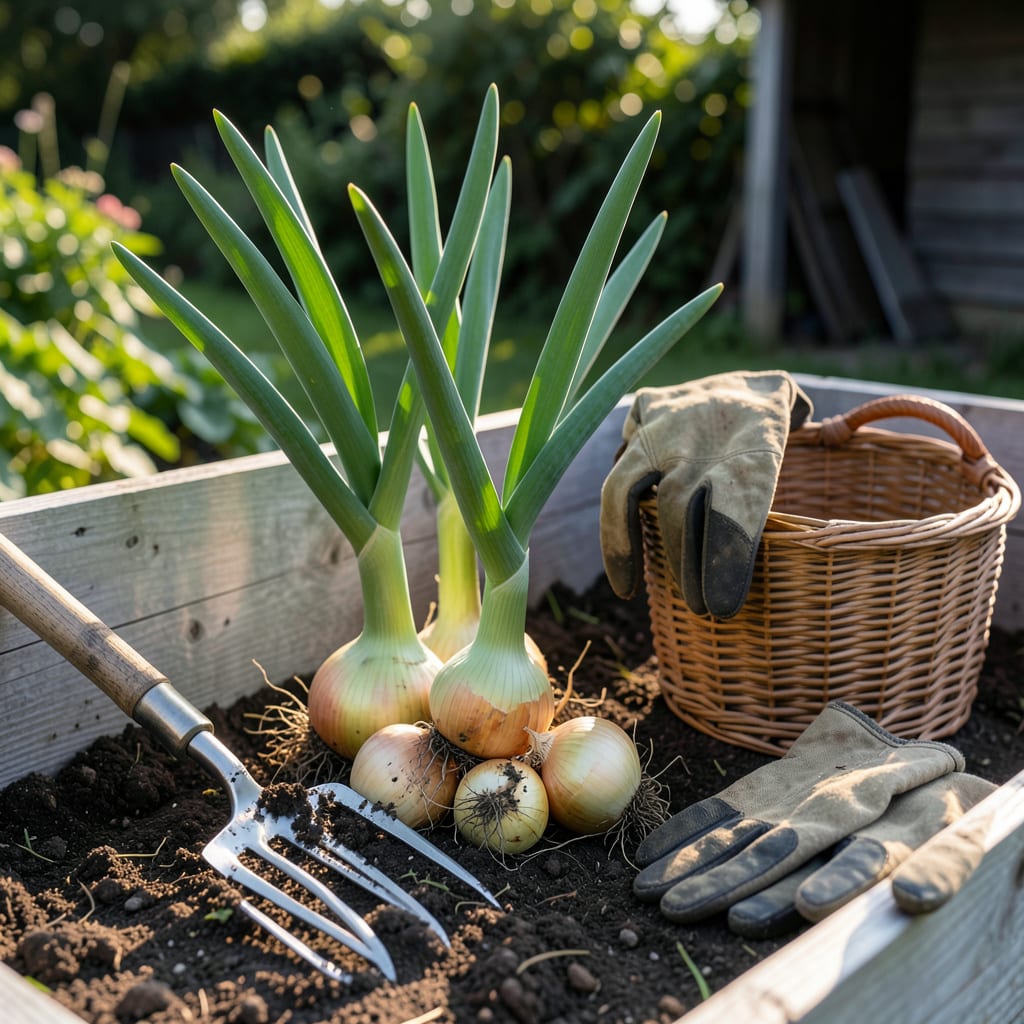
There’s nothing worse than pulling your 🧅 onions too soon—or waiting too long—and ending up with small, soft bulbs that won’t last. I’ve been there, staring at my garden in August, wondering if today’s the day or if I should wait another week.
The difference between a perfect harvest and a disappointing one comes down to a few key signs—like yellowing tops and papery skins. Let me show you exactly what to look for so you never second-guess your timing again.


Timing your onion harvest perfectly ensures the best flavor and storage life. I’ve learned that bulb onions and green onions require different cues, so let’s break it down. For bulb onions, watch for yellowing leaves and soft necks—these are classic signs.
If you’re growing storage onions, patience is key. Wait until 60-80% of the tops have flopped over and turned brown. For green onions, you can start harvesting as soon as they reach 6-8 inches tall, usually within 60-80 days of planting.
| Onion Type | Harvest Signs | Days to Maturity |
|---|---|---|
| Bulb Onions | Tops yellow, necks soften, bulbs 2-3 inches | 100-120 days |
| Green Onions | Reach 6-8 inches tall, stems firm | 60-80 days |
| Storage Onions | 60-80% tops down, papery skin | 110-130 days |
💡 Tip: Harvest on a dry, sunny day for best curing results.
For spring-planted onions, you’ll typically harvest in late summer, while fall-planted onions are ready by early summer. I always check the bulb size by gently brushing away soil—if it’s 2-3 inches wide, it’s go time.
Weather plays a role too. If heavy rain is forecasted, I harvest a bit early to prevent rot. Conversely, dry spells might delay maturity slightly, so adjust your timeline. Remember, onion sets mature faster than seeds, usually by 2-3 weeks.
Don’t overlook the neck test—when the stem just above the bulb feels soft and pliable, your onions are ready. For sweet onions like Vidalias, harvest sooner (when tops are 50% down) to maintain their mild flavor.
If you’re growing red or white onions, wait until the outer skin becomes papery. This skin protects the bulb during storage, so don’t peel it off prematurely. For scallions, simply snip what you need and let the rest keep growing.
I’ve found that soil type affects harvest time too. Onions in sandy soil may mature 5-7 days faster than those in clay. If you’re unsure, dig up a test bulb—if the skin is tight and dry, the rest are likely ready.
For overwintered onions, harvest when new growth begins to yellow in spring. These often have a stronger flavor but shorter storage life. If you’re saving seeds, leave a few bulbs in the ground until they flower and set seed.
Finally, trust your instincts! If the tops are brown and the bulbs feel firm, it’s better to harvest a day early than a day late. Proper curing will make up for minor timing differences, so don’t stress over perfection.
Now that you know the signs, grab your garden fork and get ready to lift those beauties. The next step—curing—is just as important for long-term storage, so stay tuned for my foolproof method! 🪴
Timing your onion harvest is more than just patience—it’s science. Pick too soon, and you’ll end up with small, underdeveloped bulbs that won’t store well. I’ve seen gardeners rush to harvest when tops are still green, only to find their onions shrivel within weeks. The neck hardness and leaf color are your best clues.
On the flip side, leaving onions in the ground too long invites trouble. Overmature bulbs may split open or start regrowing, which ruins their storage potential. In wet weather, they can even rot in the soil. That’s why I always check my onions daily once they near their 100-day maturity mark.
If you’ve already picked too early, don’t panic. Use those onions immediately in meals—they’ll still taste great! For slightly early harvests, try curing in a warm, dry place for 2-3 days to toughen the skins. It won’t match fully mature onions, but it helps.
Late-harvested onions often need rescue too. If bulbs have split, use them first as they won’t store. For onions with thick necks, I’ve had success braiding and hanging them in a breezy spot to dry out the stems. This can sometimes extend their life by a few weeks.
Weather plays a huge role in mistimed harvests. A sudden rainstorm can force early picking to prevent rot, while a heatwave might accelerate maturity. I keep a garden journal to track how my onions respond each year—it’s the best way to adjust timing for your specific climate.
Remember, green onions (scallions) are the exception—they’re best picked young! But for storage onions, that 80-120 day window is sacred. When tops flop and skins paper, it’s go time. Trust the signs, and you’ll be rewarded with onions that last 6-12 months in proper storage.
Still unsure? Dig up one test bulb and check its neck. If it’s soft and the outer skin rubs off easily, your entire crop is likely ready. That simple test has saved me from many harvest regrets over the years! 🪴
Once your onion tops have yellowed and flopped over, it’s time to harvest! I always recommend using a garden fork to gently loosen the soil around the bulbs before pulling them up. This prevents bruising, which can shorten their storage life significantly.
After lifting, brush off excess dirt but don’t wash the bulbs—moisture encourages rot. If the weather’s dry, I leave mine in the garden for a day to sun-cure before moving them indoors. For wet conditions, transfer them immediately to a covered, airy space like a garage or shed.
For green onions (scallions), skip curing entirely—harvest when stems reach 6–8 inches tall and use fresh. But for storage onions, proper curing is non-negotiable. I once rushed this step and lost half my crop to mold within weeks. Lesson learned!
A well-cured onion should have tight, rustling skins and no soft spots. Store them in a cool, dark place (like a basement or pantry) with good airflow. Check monthly for sprouting or rot, and use any damaged bulbs first. Properly cured onions can last 6–12 months!
If you’re short on space, try braiding onions for hanging storage. It’s not just practical—it looks fantastic in a kitchen or pantry too. Just avoid plastic bags, which trap moisture and speed up spoilage. Trust me, your future self will thank you come winter!
Green onions (scallions) are ready when stems reach 6–8 inches tall and about ¼-inch thick. Unlike bulb onions, they don’t need to yellow—just snip them at soil level. You can even harvest them multiple times by cutting 1–2 inches above the base.
Overmature onions may split, sprout, or develop thick necks that won’t store well. Their skins also become brittle, making them prone to bruising. If left too long, they’ll start regrowing in the ground, which ruins flavor and texture.
It’s best to wait 2–3 days after rain to let the soil dry slightly. Wet bulbs are harder to cure properly and more susceptible to rot. If you must harvest in damp conditions, move them immediately to a covered, well-ventilated area to dry.
Variations in bulb size often come from inconsistent planting depth, soil fertility, or spacing. Onions planted too deep may take longer to form bulbs, while crowded plants compete for nutrients. For even maturity, plant sets 1 inch deep and 4 inches apart.
