
Beautiful Plants For Your Interior
Beautiful Plants For Your Interior
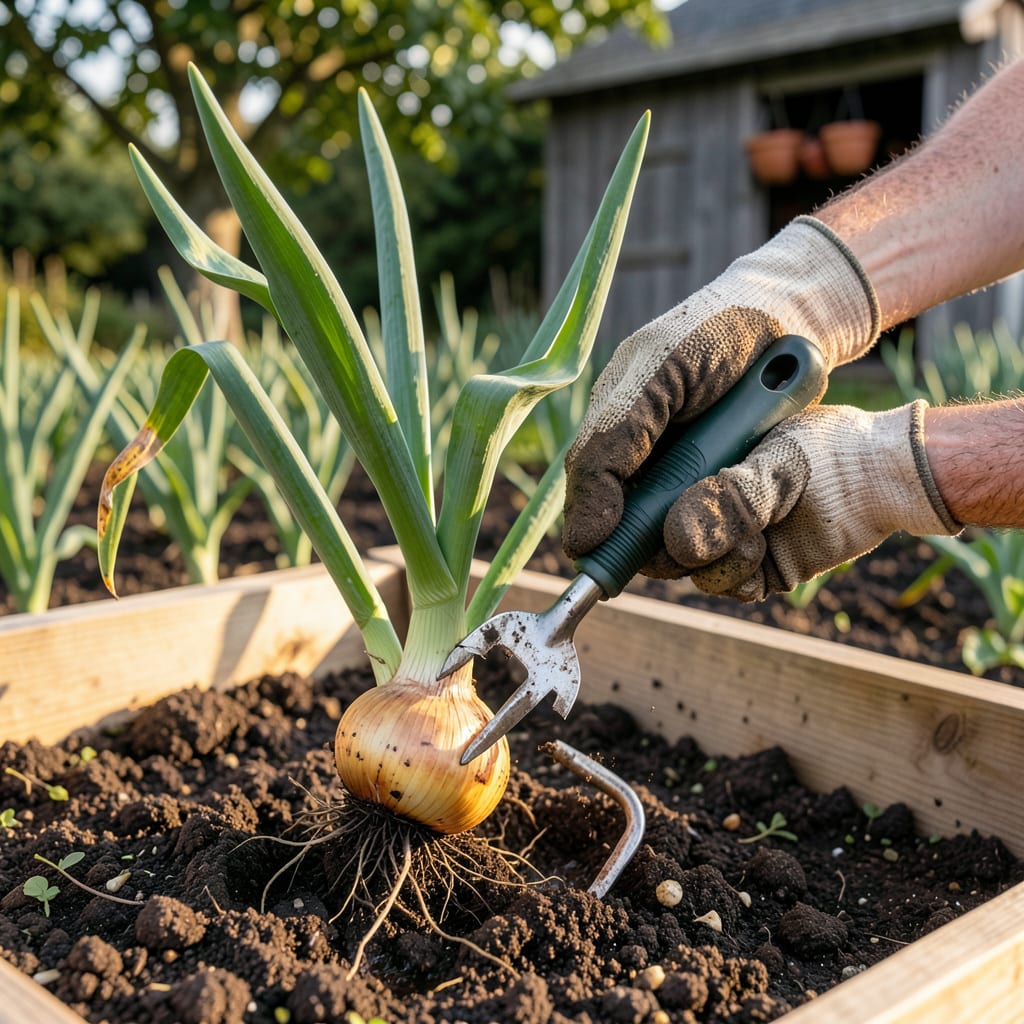
Timing your onion harvest can mean the difference between perfectly firm bulbs and a mushy disappointment. Pull too soon, and you’ll sacrifice flavor; wait too long, and they’ll split or rot in the soil. The 🧅 Onion doesn’t give second chances—so how do you know when it’s just right?
I’ve learned the hard way that watching for subtle signs—like yellowing tops and papery skins—beats guessing. Whether you’re growing green onions for quick meals or storage varieties for winter, I’ll show you the exact cues to look for. No more wasted effort or spoiled harvests.


Watching your onion plants mature is exciting, but knowing the exact moment to harvest can feel like a guessing game. The secret lies in observing subtle changes—like neck softening and leaf yellowing—that signal peak readiness. These cues vary slightly between varieties.
For bulb onions, the magic happens when the tops flop over and begin to brown. This isn’t just wilting from lack of water; it’s the plant telling you it’s done growing. Green onions (scallions) are simpler: harvest when they’re pencil-thick and tall enough for your needs.
I always check the bulb size by gently brushing away soil at the base. A mature bulb should feel firm and solid, not soft or spongy. If the skin peels away easily like paper, that’s another green light. For storage onions, wait until at least 80% of the tops have collapsed.
Don’t rely on calendar days alone—weather conditions can speed up or delay maturity. A hot, dry summer may push onions to mature faster, while cool, wet springs can extend their growth. I’ve had yellow onions ready in 90 days during droughts but take 120 days in rainy seasons.
Here’s a pro tip: Stop watering your onions about 1-2 weeks before harvest. This encourages the tops to dry naturally and helps the skins tighten for better storage. If rain is forecasted, cover the bed with a tarp to prevent the bulbs from absorbing excess moisture.
For green onions, you can harvest selectively by snipping outer stems while leaving the center to regrow. But for bulb onions, it’s an all-or-nothing deal—once you pull them, they won’t grow back. Use a fork to loosen the soil before gently lifting to avoid bruising.
If you’re growing red or white onions, watch for their unique color cues. Red onions often develop a deep purplish hue at the base when ready, while white onions should have a clean, bright skin. Both should feel heavy for their size—a sign they’re packed with flavor.
After pulling, let bulbs cure in a dry, shaded spot for 2-3 days before storing. This step is non-negotiable for storage varieties—it toughens the outer layers to prevent rot. Green onions can skip curing and go straight to the fridge for up to 2 weeks.
Remember, overmature onions split or bolt (send up flower stalks), ruining their storage potential. If you see a thick stem emerging from the center, harvest immediately—even if the tops are still green. Those onions won’t keep long but are perfect for using fresh.
By combining these visual cues with your planting date records, you’ll nail the harvest window every time. And trust me, nothing beats the satisfaction of pulling a perfect, homegrown onion that’s ready for months of meals. ✂️
Not all onions follow the same timeline—green onions might be ready in 60 days, while storage varieties can take 130 days or more. The key is knowing which category you’re growing and adjusting your expectations accordingly. Let’s break down the differences.
For scallions (green onions), timing is flexible. You can start harvesting as soon as they reach 6-8 inches tall, usually around 8 weeks after planting. These don’t form bulbs, so you’re just waiting for the stems to thicken. I like to snip them just above the soil line to encourage regrowth.
Bulb onions—like yellow, red, or white varieties—require patience. They typically need 3-4 months to mature fully. I mark my calendar for 100 days after planting as a reminder to start checking for readiness. Look for yellowing tops and neck softening as your primary signals.
If you’re growing storage onions, timing is everything. These varieties, such as ‘Copra’ or ‘Stuttgarter’, need the full 120-130 days to develop their thick, protective skins. Harvest too early, and they won’t store well. I’ve found that waiting until late summer (around August) works best in most climates.
Your USDA zone plays a role too. In cooler zones (1-5), onions may take longer to mature, while warmer zones (7-10) can speed up the process. I’ve grown onions in Zone 6, and they’re usually ready by late July. If you’re in a hotter climate, start checking a couple of weeks earlier.
For fall-planted onions, adjust your expectations. These are often grown in mild winter regions and may mature in early spring instead. I’ve had success with ‘Texas Early White’ varieties planted in October and harvested by March. Just watch for signs of bolting if temperatures fluctuate.
After harvesting, curing is critical for storage varieties. Lay them in a single layer in a dry, well-ventilated area for 2-3 weeks. This process toughens the outer skins and extends shelf life. Green onions skip this step—they’re best used fresh within 1-2 weeks of harvesting. 🪴
Even experienced gardeners can sabotage their onion harvest with simple oversights. The most common mistake I see is harvesting after rain. Wet soil makes bulbs absorb excess moisture, leading to soft, rot-prone onions. Always check the forecast and aim for a dry, sunny day to pull them.
Another critical error is pulling onions too early for storage varieties. If the tops are still mostly green, the bulbs haven’t finished maturing. I’ve ruined entire batches by being impatient—wait until at least 80% of the tops have yellowed and flopped over. For green onions, this isn’t an issue, but bulb onions need that extra time.
The third mistake is neglecting to cure storage onions. I once tossed freshly pulled onions straight into a basket, only to find them sprouting mold within weeks. Now I know: lay them in a single layer in a shaded, airy spot for 2-3 weeks to toughen their skins. Green onions can skip this, but bulb varieties demand it.
Many gardeners also overlook soil conditions at harvest time. If your soil is compacted or rocky, yanking onions can bruise them. Use a garden fork to loosen the soil around each bulb before lifting. This prevents damage that invites rot during storage. I keep a fork handy specifically for this task.
Finally, don’t ignore bolting onions. If you see a thick flower stalk emerging, harvest immediately—even if the tops are green. Bolting onions divert energy to flowering, making the bulbs bitter and poor for storage. I’ve salvaged bolting onions by pickling them or using them fresh in dishes where strong flavor is welcome.
By avoiding these pitfalls—timing your harvest, curing properly, and handling bulbs gently—you’ll maximize both flavor and storage life. A little extra care at harvest time pays off for months in your pantry. ✅
Check for yellowing tops that flop over and papery skins on the bulbs. For bulb onions, wait until at least 80% of the tops have dried. Green onions are ready when they’re 6-8 inches tall and pencil-thick.
Pulling them prematurely results in underdeveloped bulbs that won’t store well. Storage varieties need the full 100-130 days to mature properly. Early-harvested onions are best used fresh, as their skins are too thin for long-term storage.
Avoid harvesting in wet conditions. Waterlogged soil makes bulbs absorb excess moisture, leading to soft, rot-prone onions. Wait for dry, sunny weather and let the soil drain before pulling them. This ensures better storage quality.
Storage onions must be cured for 2-3 weeks in a dry, shaded spot to toughen their skins. Green onions can skip curing and go straight to the fridge. Proper curing extends shelf life for bulb varieties significantly.
Harvest them immediately, even if the tops are still green. Bolting onions become bitter and won’t store well. Use them fresh in dishes or pickle them to preserve their flavor. This happens when onions are stressed or planted at the wrong time.
