
Beautiful Plants For Your Interior
Beautiful Plants For Your Interior
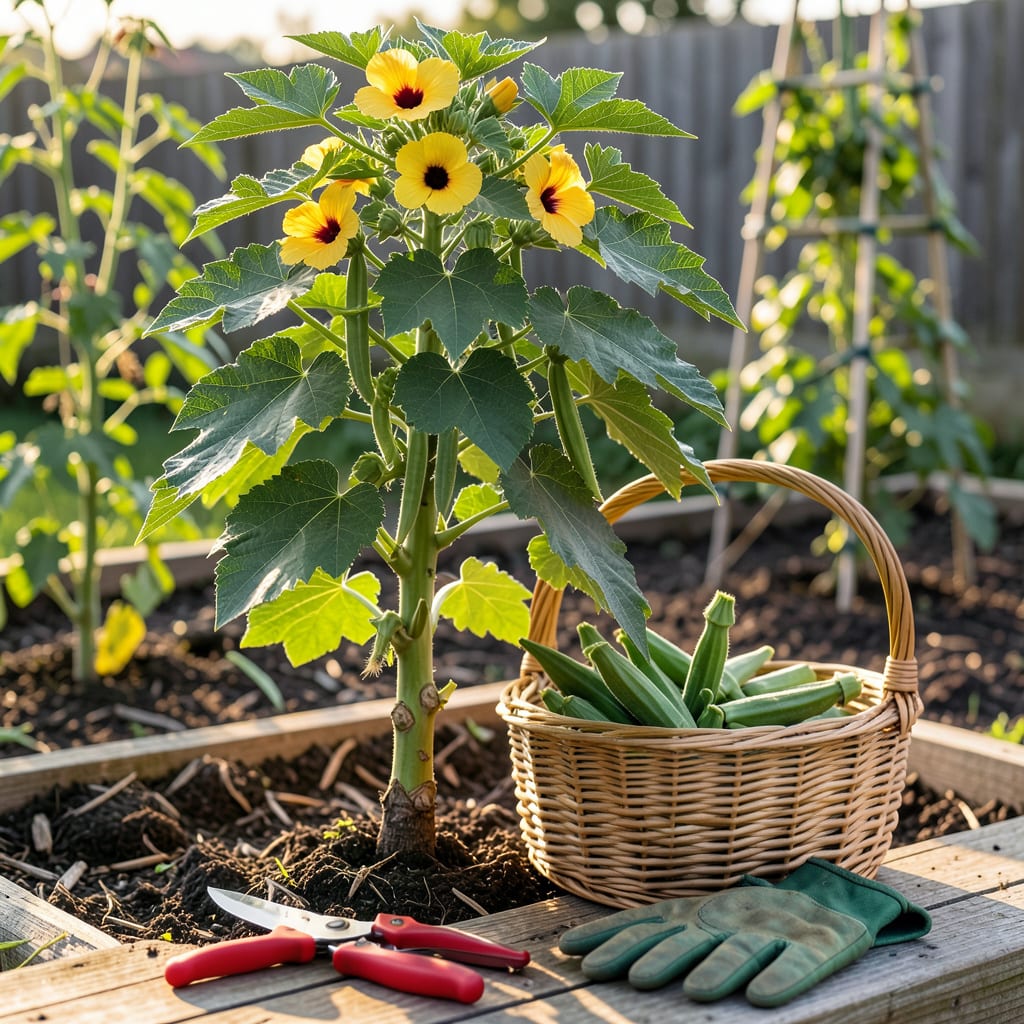
Nothing ruins a homegrown okra harvest faster than waiting too long to pick those pods. One day they’re perfectly tender, the next they’ve turned into woody, inedible sticks that even your compost pile might reject.
I’ve learned the hard way that timing is everything with this fast-growing vegetable. The difference between a delicious 3-inch pod and a tough, fibrous disappointment can be just 24 hours. Let me show you exactly when to pluck that okra for the best texture and flavor every time.


If you’ve ever bitten into a rubbery, fibrous okra pod, you know the disappointment of harvesting too late. I’ve been there too—watching my okra plants grow rapidly only to miss that perfect 2-3 day window when pods are at their peak tenderness. The secret lies in three key indicators: size, color, and texture.
Okra grows shockingly fast—some varieties add an inch per day in warm weather! That means you’ll need to check plants every 24-48 hours during peak season. I make it a habit to inspect my okra with my morning coffee, looking for pods that are 3-4 inches long with a vibrant green hue and smooth skin.
| Harvest Sign | Perfect Pod | Overripe Pod |
|---|---|---|
| Size | 3-4 inches ✅ | 5+ inches 🔴 |
| Color | Bright green 🟢 | Dull/yellowing 🟤 |
| Texture | Snaps easily ✂️ | Bends like rubber ⚠️ |
| Tip Feel | Soft and tender 🌱 | Hard/woody 🪵 |
| Days After Flowering | 3-5 days ⏰ | 7+ days ⏳ |
Here’s my foolproof test: gently squeeze the pod. A ripe okra should feel firm but yield slightly, like a fresh green bean. If it feels rock-hard, you’ve waited too long. Another pro trick? Bend the tip—if it snaps cleanly, it’s ready; if it bends like a rubber band, leave it for another day.
Watch the flowering cycle too. Okra pods typically reach harvest size 3-5 days after blooming. I mark blossom dates on my calendar to predict harvest windows. Varieties like ‘Clemson Spineless’ mature faster than heirlooms, so adjust your schedule accordingly.
Color changes tell a story. Perfect pods sport a glossy, deep green sheen. When they start looking dull or yellowish, the clock’s ticking. I’ve found that early morning harvests yield the crispiest pods—okra can get limp in afternoon heat.
New gardeners often ask: “Can I pick okra too early?” While underripe pods are edible, they lack flavor and substance. Wait until pods are at least 2 inches long—any smaller and you’re sacrificing yield. Remember, okra plants produce continuously, so harvest every 2-3 days to encourage more pods.
Pro tip: Wear gloves when harvesting! Many okra varieties have tiny spines that can irritate skin. I keep a pair of lightweight gardening gloves dedicated to my okra patch. And always use a sharp knife or pruners—tearing pods can damage the plant and invite disease.
If you spot monster pods (6+ inches), don’t toss them! These woodier specimens are perfect for saving seeds or drying for crafts. I’ve even used overgrown okra as natural “stirring sticks” for compost tea—waste not, want not in the garden!
Timing your okra harvest perfectly takes practice, but once you get the rhythm, you’ll be rewarded with tender, flavorful pods all season. My best yields come from plants harvested consistently every 2 days—the more you pick, the more they produce! 🌱
I’ve found that harvesting okra at the right time of day makes a huge difference in both quality and plant health. The early morning hours (before 10 AM) are ideal because the pods are crispest and full of moisture. This timing also helps prevent heat stress on your plants during the harvesting process.
When it comes to tools, I always recommend using sharp pruners or scissors rather than pulling pods by hand. Okra stems are tough, and yanking can damage the plant. For spiny varieties like ‘Clemson Spineless,’ wear gardening gloves to protect your hands while working.
During peak production (usually mid-summer), you’ll need to harvest okra every 2-3 days. The pods grow incredibly fast in warm weather. I make it a habit to do a quick plant inspection daily, removing any pods that reach 3-4 inches in length.
For the actual harvesting technique, I use a gentle twisting motion while supporting the stem with my other hand. If the pod doesn’t come off easily, I switch to pruners. Always cut at a slight angle to allow water to run off the stem, preventing rot.
After harvesting, I immediately place pods in a shallow container rather than piling them up. This prevents bruising and maintains that perfect crisp texture. For storage, keep unwashed okra in the crisper drawer of your fridge, where it will stay fresh for 3-5 days.
Remember that okra plants are prolific producers – the more you harvest, the more they’ll produce. I’ve had plants continue yielding until the first frost when properly maintained. Regular harvesting also prevents pods from becoming woody and inedible, which can happen in just 48 hours during hot weather.
I’ve seen too many gardeners lose their okra harvest by waiting just a day or two too long. Those tender 3-inch pods can turn into woody 6-inch monsters almost overnight in summer heat. Once okra passes its prime, the texture becomes fibrous and the flavor turns bitter—no matter how you prepare it.
The plant itself suffers too. When you leave pods too long, the okra plant shifts energy from producing new flowers to maturing seeds. This means fewer pods overall and a shorter harvest window. I always tell gardeners: if you’re not picking every 2-3 days in peak season, you’re missing out.
Here’s my trick for salvaging overripe okra: slice the pods thinly and dry them in a single layer for 2-3 days. These make excellent seed starters for next season. For immediate use, the fibrous texture actually works well in slow-cooked dishes where it breaks down over time.
Remember that okra varieties differ slightly in maturity rates. ‘Clemson Spineless’ might stay tender at 4 inches, while ‘Emerald’ is best at 3 inches. When in doubt, do the snap test: bend the pod gently. If it snaps cleanly, it’s perfect. If it bends like rubber, you’ve waited too long.
The key is daily checking during peak production. I set a phone reminder to inspect my okra plants every morning. Even if you don’t harvest daily, this habit helps you catch pods at their prime. And don’t forget: the more you pick, the more your plants will produce! 🌱
Check your plants every 2-3 days during peak season. Okra grows incredibly fast in warm weather, and pods can go from perfect to woody in just 24-48 hours. I set a morning reminder to inspect my plants daily during summer months.
The early morning (6-10 AM) is ideal for harvesting. Pods are crispest and most hydrated after the cool night, and you’ll avoid heat stress on both plants and yourself. Always harvest before the midday sun hits your garden.
While not ideal for fresh eating, overripe okra still has uses. Try slicing thin for pickling, drying for next year’s seeds, or adding to long-simmered stews where the texture softens. The flavor will be stronger but still usable.
This usually happens when mature pods are left on the plant too long. The okra shifts energy to seed production instead of making new flowers. Harvest regularly (every 2-3 days) to keep your plants productive all season.
Gently bend the pod near the tip. If it snaps cleanly, it’s perfect for picking. If it bends like rubber, it’s overripe. This simple test works better than measuring for varieties with different ideal lengths.
